
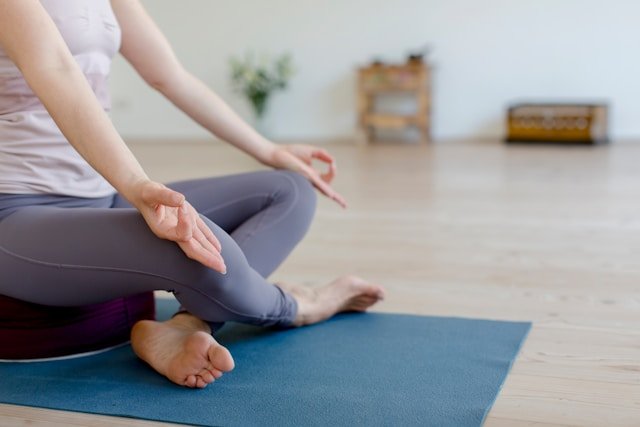
Discover the advantages of yoga for beginners. Get to know how yoga boosts flexibility, reduces stress, rejuvenates, and promotes overall health of body and mind.
Yoga is often regarded as a very old practice and the term was used over 5000 years ago in India to indicate the spiritual education of people but it is the contemporary world that has taken it as a universal fitness practice comprising balancing, flexing, and spiritual maturity, so it is a spiritual wellness therapy along with the former practices of non-attachment, non-violence, truthfulness, cool-mindedness, and gratitude.
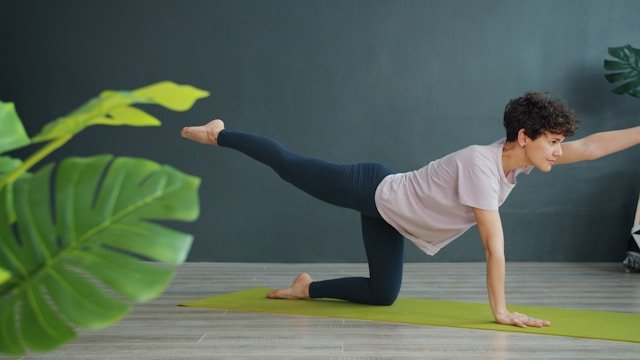
Types of yoga
Ashtanga (Vinyasa) Yoga
It consists of fast and organized practice relying on a predetermined order of poses. It creates power, stamina, and flexibility as well as coordination of movement with breathing.
Vinyasa Yoga
An active connection between respiration and motion. One asana will lead the next, and this is what makes the three mentioned qualities appear due to the uninterrupted flow of movement.
Iyengar Yoga
Gives attention to correct alignment and positioning with the help of props such as blocks and straps. Perfectly suitable in case of a beginner or someone who suffers injuries and wants to find balance and stability.
Hatha Yoga
This is a gentle and supportive application that emphasizes the most basic postures and breathing exercises. It will make one more flexible, less tense, and will also prepare one’s mind for meditation.
Kundalini Yoga
Breath, along with yoga, chanting, and meditation, will energize the spirit. It makes the nervous system strong and leads to emotional balance and awareness of oneself.
Benefits of Yoga for Beginners
1. Flexibility
Yoga is the softest form of therapy, which stretches both the muscles and the joints, hence making them more flexible and elastic. The exercise also aids in stiffness reduction, enhancing the range of movement, injury prevention, and, in the long run, day-to-day movements will be more comfortable and easier.
2. Stress Management
The breathing exercises and mindfulness techniques in yoga relax the mind and reduce the amount of cortisol. It assists in the release of accumulated tension, anxiety, and encourages relaxation, facilitating emotional balance and general well-being of the mind.
3. Reduce Back Pain
Yoga helps strengthen the inner muscles, enhances the posture of the body, and consequently results in the release of pressure on the spine. Light bends like the Cat-Cow or Child Pose will assist in loosening the region, and consequently, this will automatically relieve the long-absolved lower back pain.
4. Boosts Energy
Practicing yoga would imply that there is more flow of blood and oxygen supply, and leave one feeling younger. Stretches and deep breathing exercises in the morning are usually normal in ensuring that your brain wakes up and you are ready to get active all day.
5. Heart Disease
Regular yoga helps the heart as it helps to decrease blood pressure and stress, and enhances blood circulation. It facilitates relaxation, maintains cholesterol, and improves heart conditions, which are natural ways of preventing heart problems.
6. Stronger Muscles
The lean muscle strength of yoga is developed with bodyweight poses. Exercises such as Plank, Warrior, and Chair use various muscles and enhance endurance, stability, as well as a desirable tone of the body without causing any heavy lifting.
7. Yoga Can Reduce Stress
The effects of relaxation on the body in yoga activities like mindful breathing and meditation are triggered. This helps in shutting the noise of the mind, relieves stress, and leads to a peaceful state of mind to balance the emotions and calm down.
8. Exploring Yoga Benefits
New hires learn their bodies and minds through the assistance of yoga. It builds a personality, emotional stability, and physique that leads to well-being more than flexibility or strength.
9. Balance
Balancing assumes the position of a Tree or an Eagle to develop stabilizing muscles and also improves coordination. Better balance enhances the chances of minimizing falls, increases concentration, and gains confidence in physical mobility and daily living tasks.
10. High Blood Pressure
The reduction of stress, improvement of blood flow, and relaxation of the body are the natural advantages of yoga in the decrease of blood pressure. The nervous system gets calmed down by flowing movements and deep breath, which bring about the heart’s health and wellness as one of the main sources of a person’s happiness.
How to Start Practicing Yoga
- Begin with Simple Poses: The very basic postures, such as Tadasana, Marjaryasana-Bitilasana, and Balasana, help to build up one’s confidence and also one’s physical flexibility. Hurry not to the practiced postures.
- Focus on Your Breath: Breath is the essential factor in yoga practice. It is like a guiding thread that connects the whole practice. Take a deep breath in and out, focusing on each breath, and then gradually releasing tension in every posture more.
- Join a Beginner’s Class: A qualified coach will be able to train on correct alignment, safety, and breathing so that you do not become injured and can achieve good progress.
- Create a Consistent Routine: Do not quit your practice, even if it is just 10-15 minutes a day. It is more advantageous to make yoga a habit than to do it for a long time and then quit it.
- Listen to Your Body: Yoga is no longer a means of achieving a perfect state of being. Take pauses, don’t go too far, and let your body slowly get used to the new movement.
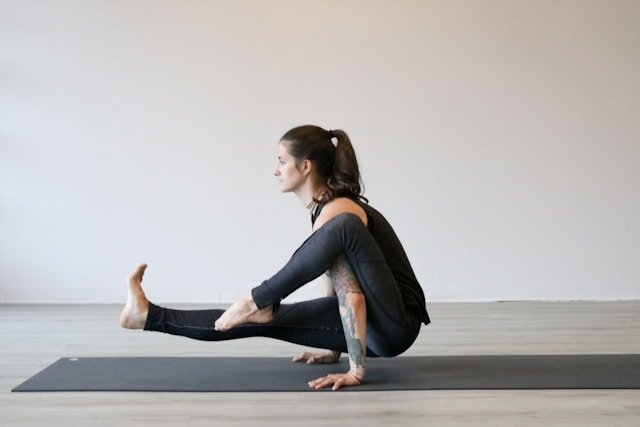
Yoga as a Lifestyle
Yoga is a way of life. It influences your food, mind, and the way you interact with the world. Gratitude, healthy food eating, being kind, and awareness are some of the elements of the Yogic lifestyle.
It would become habitual to you to be more tolerant, more focused, and more sensitive to the people that surround you and the impact that your actions have on them. It helps you to have a balance in a world that might appear to be hectic and pressurized.
Conclusion
Yoga is the ideal means for beginners to get fit mentally and physically. It is a perfect ground for the unification of a healthy, conscious, and better lifestyle as it increases flexibility, calms the mind, and improves posture and well-being through regular practice.