Creating a beautiful garden does not always mean spending hours every day watering, trimming, weeding, and caring for plants. With the right planning and plant choices, you can create a low maintenance home garden that looks fresh and attractive while requiring very little daily work. A simple garden can save time, reduce water use, and still provide a relaxing outdoor space for your family.
The key to creating a low maintenance garden is choosing plants that suit your local climate, preparing the soil properly, using smart watering methods, and avoiding plants that require constant attention. Whether you have a large backyard, a small yard, or a simple outdoor space, these gardening tips can help you build a garden that is easy to manage.
Choose Easy Care Plants
The first step in creating a low maintenance home garden is selecting easy care plants. Some plants need regular pruning, feeding, watering, and protection from pests. Others can grow well with very little attention.
Look for plants that naturally grow well in your local climate. Native plants are often a good choice because they are already adapted to local weather and soil conditions. They may require less water and usually have fewer problems with common local pests.
Choose plants based on the amount of sunlight your garden receives. If an area gets several hours of direct sunlight, select plants that enjoy full sun. For shady areas, choose plants that can grow well with limited sunlight. Matching plants to their growing conditions can reduce problems and make garden care much easier.
Plan Your Garden Before Planting
Good planning can save a lot of work later. Before buying plants, think about how you want your garden to look and how much time you can spend maintaining it.
Create a simple garden plan and decide where you want flowers, shrubs, trees, herbs, and other plants. Leave enough space between plants so they can grow naturally without becoming crowded.
Avoid filling every empty space with plants. A garden with too many plants can quickly become difficult to manage. It can also create competition for sunlight, water, and nutrients.
Group plants with similar needs together. For example, plants that need more water should be planted in one area, while drought tolerant plants can be placed in another area. This makes watering much easier and prevents you from giving too much or too little water to certain plants.
Improve the Soil
Healthy soil is one of the most important parts of a low maintenance garden. Plants growing in healthy soil are usually stronger and better able to handle dry weather, pests, and other common problems.
Before planting, check the condition of your garden soil. If it is hard, poor, or lacking organic matter, improve it by adding compost or other suitable organic material.
Compost helps improve soil structure and provides nutrients that support healthy plant growth. Healthy soil also holds moisture better, which means plants may not need frequent watering.
You do not need to constantly add fertilizer if your soil is already healthy. Too much fertilizer can encourage excessive growth and create additional maintenance work. Focus on building good soil from the beginning.
Use Mulch to Reduce Garden Work
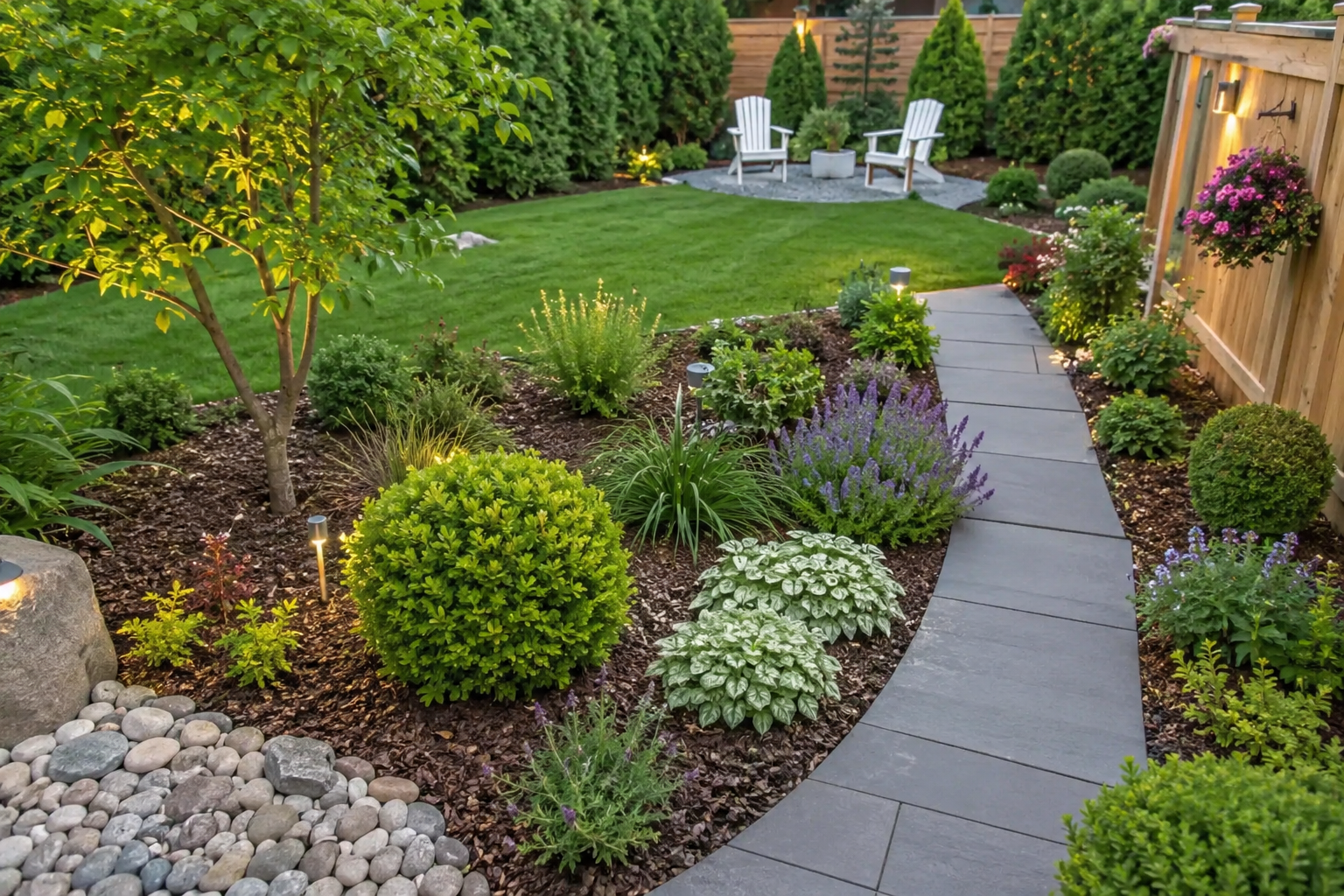
Mulch is one of the easiest ways to reduce garden maintenance. A layer of organic mulch around plants can help the soil stay moist and reduce weed growth.
Mulch also protects the soil from extreme temperature changes and can slowly add organic matter as it breaks down. Materials such as dry leaves, wood chips, compost, and other suitable organic materials can be used as mulch.
Apply mulch around plants without covering the stems or trunks directly. A moderate layer is usually enough to provide benefits without creating problems.
By using mulch correctly, you can spend less time pulling weeds and watering plants. It also gives the garden a clean and organized appearance.
Install an Efficient Watering System
Watering can become one of the biggest garden chores, especially during hot weather. A simple watering system can make this task much easier.
Drip irrigation is a useful option for many home gardens because it delivers water close to plant roots. This can reduce water waste and help plants receive consistent moisture.
If you prefer hand watering, water deeply rather than giving plants small amounts of water every day. Deep watering encourages roots to grow deeper into the soil, which can help plants become more resilient during dry periods.
Water your garden according to plant needs and local weather conditions. Avoid watering automatically when the soil is already wet from rain.
Select Drought Tolerant Plants
Drought tolerant plants are excellent for a low maintenance home garden, especially in areas where water is limited or summers are hot.
These plants are adapted to survive with less water once they are established. Examples can include certain ornamental grasses, herbs, succulents, and native plants, depending on your local climate.
Before selecting drought tolerant plants, make sure they are suitable for your region. A plant that needs little water in one climate may require more care in another climate.
Combining drought tolerant plants with mulch and efficient watering can significantly reduce garden maintenance.
Create Simple Garden Beds
Simple garden beds are easier to maintain than complicated designs with many small sections. Keep the shape of your planting areas simple and leave enough room to move around comfortably.
Raised beds can be useful for growing vegetables and herbs because they provide better control over soil quality. However, they should be designed at a manageable size so you can easily reach the plants.
Avoid creating narrow spaces that are difficult to access. A garden should be attractive but also practical. Easy access means you can quickly remove weeds, check plants, harvest vegetables, and perform basic maintenance.
Reduce the Amount of Lawn
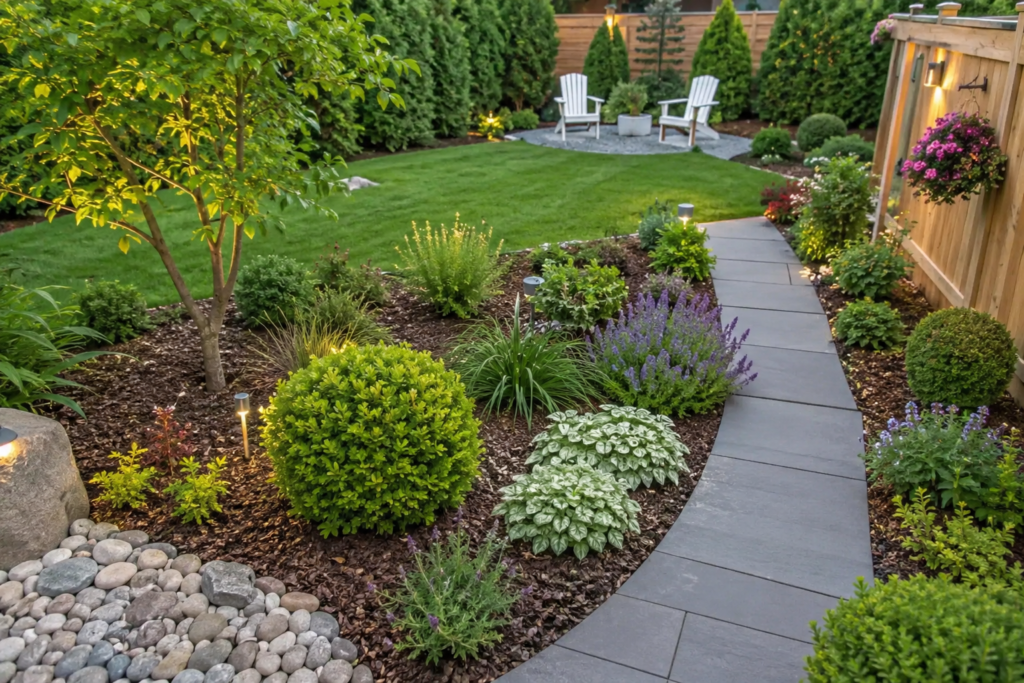
A large lawn can require regular mowing, watering, feeding, and other care. If your goal is to create a low maintenance home garden, consider reducing the amount of grass.
You can replace some lawn areas with flower beds, shrubs, ground cover plants, decorative stones, or other suitable landscaping materials.
Ground cover plants can provide greenery while requiring less mowing. However, always choose varieties that are suitable for your local environment and will not become invasive.
Reducing lawn space does not mean removing all grass. Keeping a smaller lawn can give you an open area for children, pets, or outdoor activities while reducing the amount of routine garden work.
Choose Plants That Need Little Pruning
Some plants grow quickly and require frequent pruning to maintain their shape. If you want an easy care garden, choose plants that naturally maintain a neat form.
Slow growing shrubs and compact plants can reduce the need for regular trimming. Before buying a plant, learn about its mature size and growth habit.
Planting a small tree or shrub without considering its final size can create problems later. If it grows too large for its location, you may need frequent pruning or even removal.
Give each plant enough room to reach its natural size. This simple decision can save time for many years.
Control Weeds Naturally
Weeds can quickly turn a simple garden into a time consuming project. The best way to reduce weeds is to prevent them from becoming established.
Mulch is useful for blocking sunlight and reducing weed growth. Regularly checking the garden can also help you remove small weeds before they become large.
Avoid allowing weeds to produce seeds. Removing them early can prevent many new weeds from appearing later.
Healthy plants and good ground cover can also reduce empty spaces where weeds commonly grow.
Keep Garden Decoration Simple
Garden decorations can make an outdoor space more attractive, but too many decorative items can increase cleaning and maintenance.
Choose a few practical features that match the garden design. Simple benches, natural stones, containers, or a small pathway can add character without creating unnecessary work.
Use durable materials that can handle local weather conditions. Avoid decorations that require frequent painting, cleaning, or repairs if your goal is a truly low maintenance garden.
Choose Low Maintenance Containers
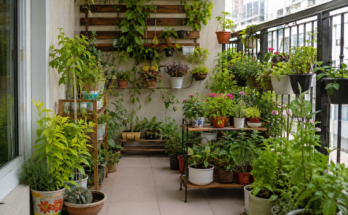
If you enjoy growing plants in pots, choose containers that are large enough for the plants you want to grow. Very small containers can dry out quickly and may require frequent watering.
Containers with drainage holes are important because excess water can damage plant roots. You can also use self watering containers if they are suitable for your plants and budget.
Place containers in locations where they receive the correct amount of sunlight. Grouping containers with similar watering needs can make daily care easier.
Perform Small Tasks Regularly
A low maintenance garden still needs some attention. The advantage is that regular small tasks can prevent bigger problems.
Spend a short amount of time checking your plants each week. Look for dry soil, damaged leaves, weeds, pests, or broken branches. Deal with small problems early instead of waiting until they become serious.
Remove dead flowers and leaves when necessary, but avoid unnecessary pruning. Keep pathways clear and make sure watering systems are working correctly.
A few minutes of regular care can keep the garden healthy without requiring long hours of work.
Conclusion
Creating a low maintenance home garden is mainly about making smart choices before problems begin. Choose easy care plants that match your climate, improve the soil, use mulch, reduce lawn areas, install efficient watering methods, and give plants enough space to grow.
A low maintenance garden does not have to look plain or boring. With careful planning, you can create a beautiful outdoor space filled with healthy plants and natural beauty while spending less time on routine garden chores.
The best garden is one that fits your lifestyle. By choosing simple designs and plants that can thrive with limited attention, you can enjoy a green and peaceful home garden without turning gardening into a daily responsibility.