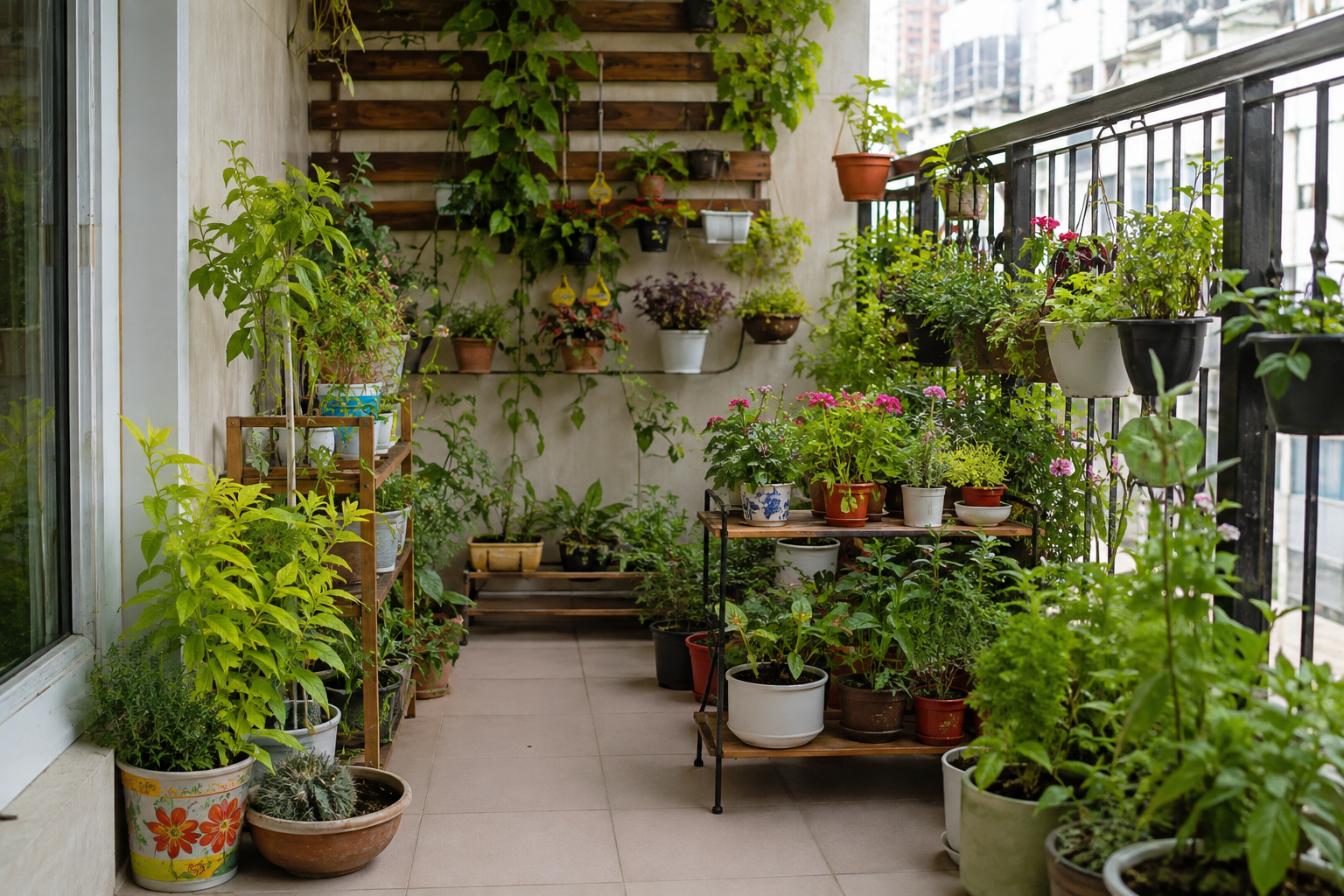
Gardening is a wonderful way to bring nature into your home, but many people think they need a large yard to grow beautiful plants. The truth is that you can create a healthy and attractive garden even if you have a balcony, small patio, rooftop, terrace, or tiny backyard. With the right planning and a few smart gardening ideas, small spaces can become productive and colorful places.
Small space gardening is becoming popular because it allows people to grow flowers, herbs, vegetables, and decorative plants without needing a large area. The key is to use every available space carefully and choose plants that fit your environment. In this article, you will learn some of the best gardening tips for small spaces that can help you create a beautiful garden with less effort.
Choose the Right Plants for Small Spaces
One of the most important small space gardening tips is choosing plants that match the size of your growing area. Large plants can quickly take over a small garden and make the space look crowded. Instead, choose compact plants, dwarf varieties, herbs, and vegetables that grow well in containers.
Herbs such as mint, basil, parsley, coriander, and chives are excellent choices for small gardens. You can also grow vegetables such as lettuce, spinach, radishes, carrots, cherry tomatoes, and green onions. For flowers, consider marigolds, petunias, pansies, and compact roses.
Before buying a plant, check how much sunlight, water, and growing space it needs. Choosing plants according to your conditions will make gardening easier and more successful.
Use Containers for Flexible Gardening
Container gardening is one of the easiest ways to grow plants in a small space. You can use pots, wooden boxes, hanging containers, recycled buckets, and other suitable containers. Containers allow you to move plants when necessary and make better use of limited areas.
Make sure every container has drainage holes at the bottom. Good drainage prevents excess water from staying around the roots and causing problems. Use good quality potting soil and select a container that is large enough for the mature size of the plant.
You do not need expensive containers to start a small garden. Simple and clean household containers can work well when they are prepared properly.
Grow Plants Vertically
Vertical gardening is one of the best solutions for people with very limited floor space. Instead of allowing plants to spread across the ground, you can encourage them to grow upward.
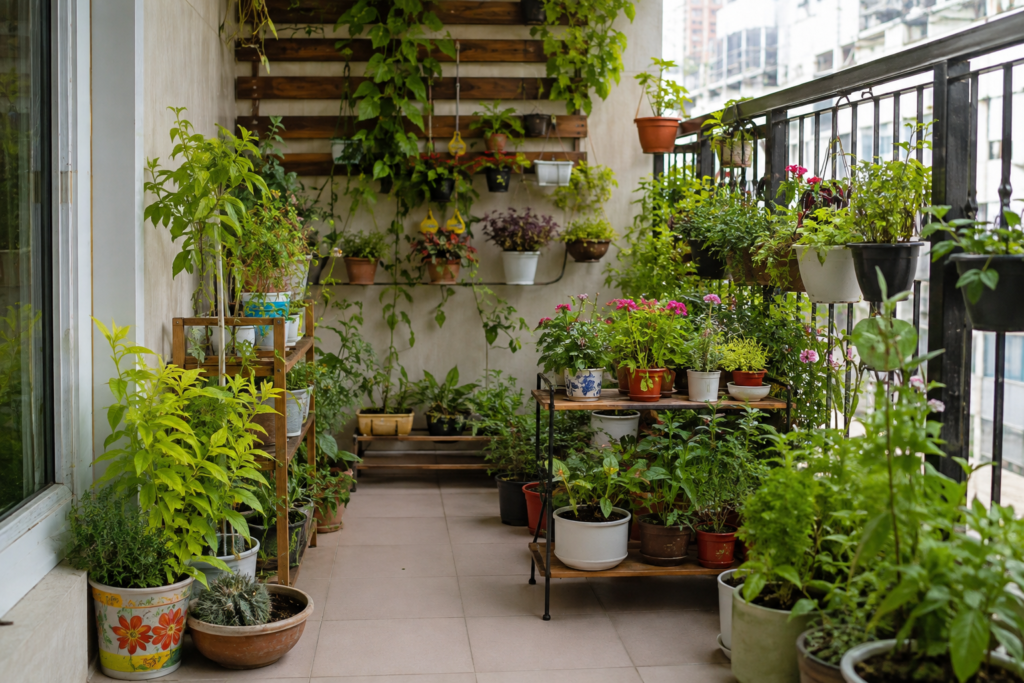
Use shelves, trellises, wall planters, hanging baskets, and vertical plant stands. Climbing plants such as beans, peas, cucumbers, and some flowering vines can grow upward with proper support.
Vertical gardening not only saves space but also adds height and visual interest to your garden. It can turn an empty wall, fence, or balcony corner into a green and attractive area.
Make Use of Hanging Baskets
Hanging baskets are another smart option for small space gardening. They allow you to grow plants above the ground while keeping valuable floor space available.
You can use hanging baskets for flowers, herbs, strawberries, and trailing plants. Place them where they receive the appropriate amount of sunlight. Make sure they are securely attached because wet soil can make containers much heavier.
Hanging plants can also make a small balcony or patio feel more natural and colorful without taking up much walking space.
Use Shelves and Plant Stands
Plant shelves are useful when you have many small pots but limited floor area. A simple shelf can hold several plants vertically, allowing you to grow more greenery in one small location.
Place plants with similar sunlight needs together. Taller plants should not block sunlight from smaller plants. You can also use different levels to create an attractive display.
Plant stands are especially useful on balconies, patios, and small terraces. They help organize your garden while keeping the area clean and manageable.
Give Plants the Right Amount of Sunlight
Sunlight is essential for healthy plant growth. However, small spaces can have different sunlight conditions depending on nearby buildings, walls, trees, and balconies.
Observe your space before deciding where to place your plants. Some areas may receive full sunlight for several hours, while others may only receive indirect light.
Choose plants based on the available sunlight. Sun loving plants such as tomatoes and many flowering plants need plenty of direct sunlight. Shade tolerant plants can be better for darker corners.
Moving containers during the day or changing their position according to the season can also help plants receive better light.
Water Plants Carefully
Small container gardens can dry out faster than plants growing in the ground. This means regular watering may be necessary, especially during hot weather.
However, avoid watering plants simply because the soil surface looks dry. Check the soil with your finger before watering. If the upper layer feels dry, the plant may need water.
Water slowly and allow excess water to drain from the bottom of the container. Avoid leaving pots standing in water because constantly wet roots can cause problems.
The best watering schedule depends on the plant, container size, soil, temperature, and weather conditions.
Use Good Quality Soil
Healthy soil is essential for successful small space gardening. Plants grown in containers depend completely on the soil inside their pots for nutrients, moisture, and root support.
Use a quality potting mix that provides good drainage and allows roots to receive air. Adding compost can improve soil quality and provide natural nutrients.
Avoid using heavy garden soil alone in containers because it can become compacted and may not provide enough drainage. Refresh container soil when necessary to maintain healthy plant growth.
Grow a Kitchen Garden
A small space can produce useful food when you choose crops carefully. You do not need a large backyard to grow fresh herbs and vegetables.
Start with easy crops such as basil, coriander, lettuce, spinach, radishes, green onions, and cherry tomatoes. These plants can grow successfully in suitable containers.
Growing food at home can save space and give you access to fresh ingredients. It is also a rewarding activity because you can watch your plants develop from seeds or young seedlings into mature crops.
Combine Different Plants Carefully
Companion planting can help you make better use of limited space. Some plants can grow well together when they have similar water, sunlight, and soil requirements.
For example, herbs and compact vegetables can often be grown in nearby containers. However, avoid placing plants together simply because they look attractive. Always consider their mature size and growing requirements.
Combining plants with different heights can also help create a layered garden. Tall plants can grow at the back, medium plants can occupy the middle, and smaller plants can be placed toward the front.
Keep Your Small Garden Organized
A small garden can quickly become messy if containers are placed randomly. Organization is therefore an important part of small space gardening.
Leave enough room to walk, water, prune, and inspect your plants. Group containers according to their needs and use shelves or stands when possible.
Remove dead leaves, weeds, and damaged branches regularly. Keeping the garden clean makes it easier to notice pests and plant diseases before they become serious.
Choose Multi Purpose Plants
When space is limited, every plant should have a purpose. Consider growing plants that provide more than one benefit.
Herbs can provide fresh food while adding fragrance and greenery. Flowering plants can make the garden beautiful while attracting pollinators. Some vegetables can provide food for several weeks when harvested regularly.
This approach helps you get more value from a small growing area.
Protect Plants From Pests
Small gardens can still experience pest problems. Check your plants regularly for insects, damaged leaves, holes, or unusual growth.
Remove pests by hand when possible and keep damaged leaves away from healthy plants. Encourage beneficial insects by growing flowers that attract pollinators and other helpful garden insects.
Good airflow, proper watering, healthy soil, and regular plant inspection can help reduce many common garden problems.
Prune Plants Regularly
Pruning is useful when growing plants in a small area because it helps control their size and shape. Remove dead, damaged, or overcrowded growth when appropriate for the plant.
Some plants benefit from regular trimming because it encourages bushier growth. However, avoid cutting plants without knowing their pruning requirements.
Keeping plants at a manageable size prevents your small garden from becoming overcrowded.
Start Small and Improve Over Time
You do not need to fill every available space immediately. Starting with a few containers allows you to learn how your plants respond to sunlight, water, soil, and weather.
Once you understand your space, you can gradually add more plants. This approach is easier for beginners and prevents unnecessary spending.
Remember that successful gardening comes from observation and regular care. Every small garden has different conditions, so pay attention to what works best for your plants.
Final Thoughts
Creating a garden in a small space is completely possible with smart planning and simple gardening techniques. Container gardening, vertical gardening, hanging baskets, shelves, and compact plants can help you grow more while using less space.
The most important gardening tips for small spaces are to choose suitable plants, provide enough sunlight, use healthy soil, water carefully, and keep your garden organized. You can grow flowers, herbs, vegetables, and decorative plants even on a small balcony or patio.
A small garden may not provide a huge amount of growing space, but it can still bring beauty, fresh food, and a closer connection with nature. Start with a few plants, take care of them regularly, and slowly develop your small garden into a healthy and enjoyable green space.
