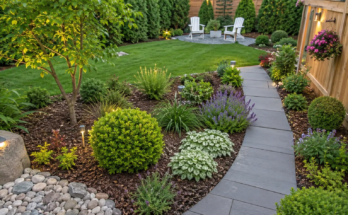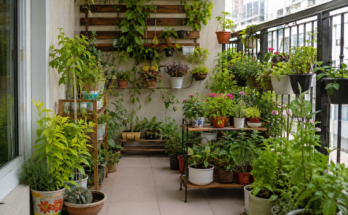
Eco friendly gardening is a simple way to make your home healthier, greener, and more connected to nature. You do not need a large yard or expensive equipment to create an environmentally friendly garden. Small changes in the way you water plants, improve soil, choose plants, and manage garden waste can make a meaningful difference.
An eco friendly garden uses natural resources carefully and supports local wildlife while reducing unnecessary waste and pollution. Whether you are a beginner or an experienced gardener, these eco friendly gardening tips can help you create a beautiful outdoor space while caring for the environment.
What Is Eco Friendly Gardening?
Eco friendly gardening means growing and caring for plants in a way that protects nature and uses resources responsibly. It focuses on healthy soil, natural fertilizers, efficient watering, suitable plants, and fewer harmful chemicals.
Traditional gardening can sometimes involve excessive water use, chemical fertilizers, pesticides, plastic products, and unnecessary waste. Eco friendly gardening offers natural alternatives that are better for the environment and can also save money over time.
The goal is not to create a perfect garden overnight. Instead, it is about making better choices whenever possible and allowing your garden to work more naturally.
Choose Native Plants
One of the best eco friendly gardening tips is to grow native plants. Native plants are naturally adapted to the climate, soil, and weather conditions of your area. Because they are suited to local conditions, they often need less water and maintenance.
Native flowers and plants can also provide food and shelter for birds, butterflies, bees, and other useful insects. This helps increase biodiversity around your home.
Before buying new plants, research which varieties naturally grow in your region. Choose plants that can handle your local temperatures and soil conditions. This simple step can make your garden easier to maintain while supporting the local ecosystem.
Save Water in the Garden
Water is one of the most important resources in gardening, so using it wisely is essential. Instead of watering plants frequently for short periods, water deeply when needed. Deep watering encourages roots to grow further into the soil.
Watering early in the morning is another useful practice because cooler temperatures reduce evaporation. You can also collect rainwater in a suitable container and use it for garden plants where local rules and safe practices allow.
Drip irrigation and soaker hoses can deliver water closer to plant roots and reduce unnecessary water loss. Even simple habits such as checking soil moisture before watering can prevent overwatering.
Make Your Own Compost
Composting is one of the easiest ways to reduce household waste while improving garden soil. Fruit and vegetable scraps, dry leaves, grass clippings, and other suitable organic materials can be turned into valuable compost.
Compost adds organic matter to the soil and helps improve its structure. It can also support beneficial soil organisms and reduce the need for synthetic fertilizers.
Create a compost area or use a compost bin that suits the available space in your home. Add suitable kitchen and garden waste in balanced amounts and keep the compost reasonably moist. Over time, these materials break down into dark, nutrient rich compost that can be added to garden beds.
Avoid Harmful Chemicals
Using fewer chemical pesticides and fertilizers is an important part of eco friendly gardening. Some chemicals can affect beneficial insects, soil organisms, water sources, and other parts of the ecosystem.
Instead of immediately using chemical pesticides, identify the cause of a plant problem first. Sometimes pests can be removed by hand, washed away with water, or controlled by encouraging natural predators.
Healthy plants are also more capable of handling minor pest problems. Good soil, proper watering, suitable sunlight, and enough space between plants can help reduce many common gardening issues.
Use Natural Fertilizers
Plants need nutrients to grow well, but you do not always need synthetic fertilizers to provide them. Compost, aged organic matter, and other natural soil amendments can improve soil fertility.
Before adding any fertilizer, understand what your plants and soil actually need. Adding too much fertilizer can waste resources and may contribute to nutrient runoff.
A healthy soil system is more valuable than simply adding nutrients whenever plants appear weak. Focus on improving soil quality and providing plants with the right growing conditions.
Create a Pollinator Friendly Garden
Bees, butterflies, and other pollinators play an important role in natural ecosystems and food production. You can support them by growing a variety of flowering plants.
Choose flowers with different shapes, colors, and blooming periods so that pollinators can find food throughout different parts of the growing season. Avoid using broad spectrum pesticides that can harm beneficial insects.
You can also provide shallow water sources and small natural areas where insects can rest. A pollinator friendly garden can be attractive while creating a valuable habitat for local wildlife.
Reuse Garden Materials
Eco friendly gardening also means reducing waste. Before buying new garden products, look around your home for materials that can be reused safely.
Old containers can sometimes become plant pots after proper cleaning and drainage holes are added. Fallen branches can be used as simple garden supports, while dry leaves can become mulch or compost material.
Reusing suitable materials reduces the amount of waste going to landfills and can also lower gardening costs. Just make sure that any reused material is clean and safe for plants and soil.
Use Mulch to Protect Soil
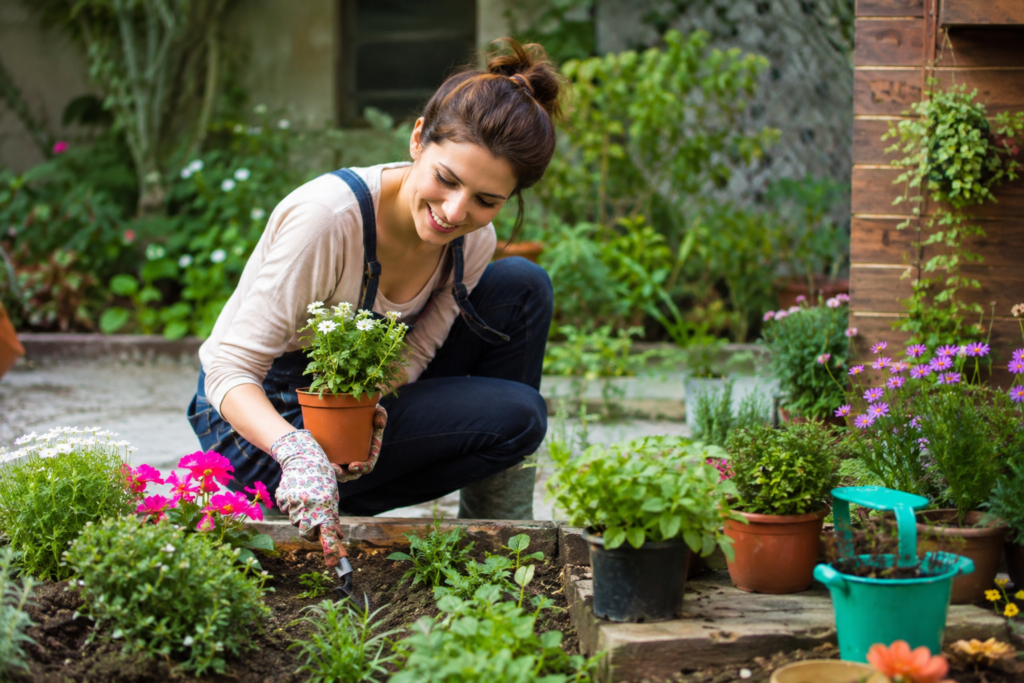
Mulching is a simple technique that provides several environmental benefits. Organic mulch such as dry leaves, straw, grass clippings, or wood based materials can help cover the soil around plants.
A suitable layer of mulch can reduce evaporation, protect soil from extreme temperatures, and help slow weed growth. As organic mulch breaks down, it can also add organic matter to the soil.
Keep mulch slightly away from plant stems and trunks to reduce the risk of moisture related problems. Refresh the layer when necessary instead of constantly disturbing the soil.
Reduce Plastic Waste
Plastic is common in gardening, but you can reduce your dependence on single use plastic products. Reuse plant containers when possible and choose durable gardening tools and pots that can last for many years.
When purchasing garden supplies, consider products made from long lasting or recycled materials. Avoid buying unnecessary decorative items that may quickly become waste.
Growing plants from seeds can also reduce the need to purchase new plants in plastic containers every season.
Grow Some Food at Home
Growing vegetables, herbs, and fruits at home can make your garden more useful and sustainable. Even a small balcony, patio, or backyard can provide space for herbs, leafy greens, tomatoes, peppers, or other suitable crops.
Home gardening can reduce the need to buy certain fresh foods and gives you more control over how plants are grown. Harvesting food directly from your garden also provides a rewarding connection with nature.
Start with a few easy crops rather than trying to grow everything at once. Choose plants that match your available sunlight, space, and local growing conditions.
Encourage Healthy Soil
Healthy soil is the foundation of an eco friendly garden. Avoid disturbing the soil more than necessary because excessive digging can affect soil structure and beneficial organisms.
Add compost and organic matter regularly when appropriate. Keep soil covered with plants or mulch to reduce erosion and protect the living environment beneath the surface.
Earthworms and microorganisms are important parts of healthy soil. Supporting these natural organisms can help create a stronger garden without depending heavily on synthetic products.
Manage Garden Waste Naturally
Garden waste does not always need to become trash. Leaves, small plant materials, and suitable grass clippings can often be composted or used as mulch.
However, avoid composting diseased plants or invasive weeds unless you know that your composting method can safely handle them. Proper waste management helps prevent problems while keeping useful organic material within the garden system.
Create a Small Wildlife Area
You do not need a large garden to support wildlife. Even a small corner with native plants, flowers, shrubs, and natural materials can provide shelter and food for insects and birds.
Avoid keeping every part of your garden perfectly clean. Some fallen leaves and natural plant materials can provide useful habitat. A little natural space can make your garden more diverse and lively.
Choose Sustainable Gardening Habits
Eco friendly gardening is mostly about daily habits. Use tools carefully, repair them instead of replacing them, save seeds when practical, and choose plants that suit your garden rather than forcing unsuitable plants to grow.
Plan before purchasing new garden supplies. Buying fewer but better quality items can reduce waste and save money over time.
Try to work with nature instead of constantly fighting it. A garden does not have to look perfect to be healthy. Some insects, fallen leaves, and natural growth are normal parts of a living ecosystem.
Final Thoughts
Eco friendly gardening is an effective way to create a greener home while protecting natural resources. From choosing native plants and saving water to making compost and supporting pollinators, every small action can contribute to a healthier environment.
You do not have to change your entire garden at once. Start with one or two simple improvements and build better habits over time. Use natural methods whenever possible, reduce waste, protect the soil, and choose plants that fit your local environment.
With patience and consistent care, your garden can become more than a beautiful part of your home. It can become a small but valuable space that supports nature, reduces waste, saves resources, and helps create a greener home for the future.