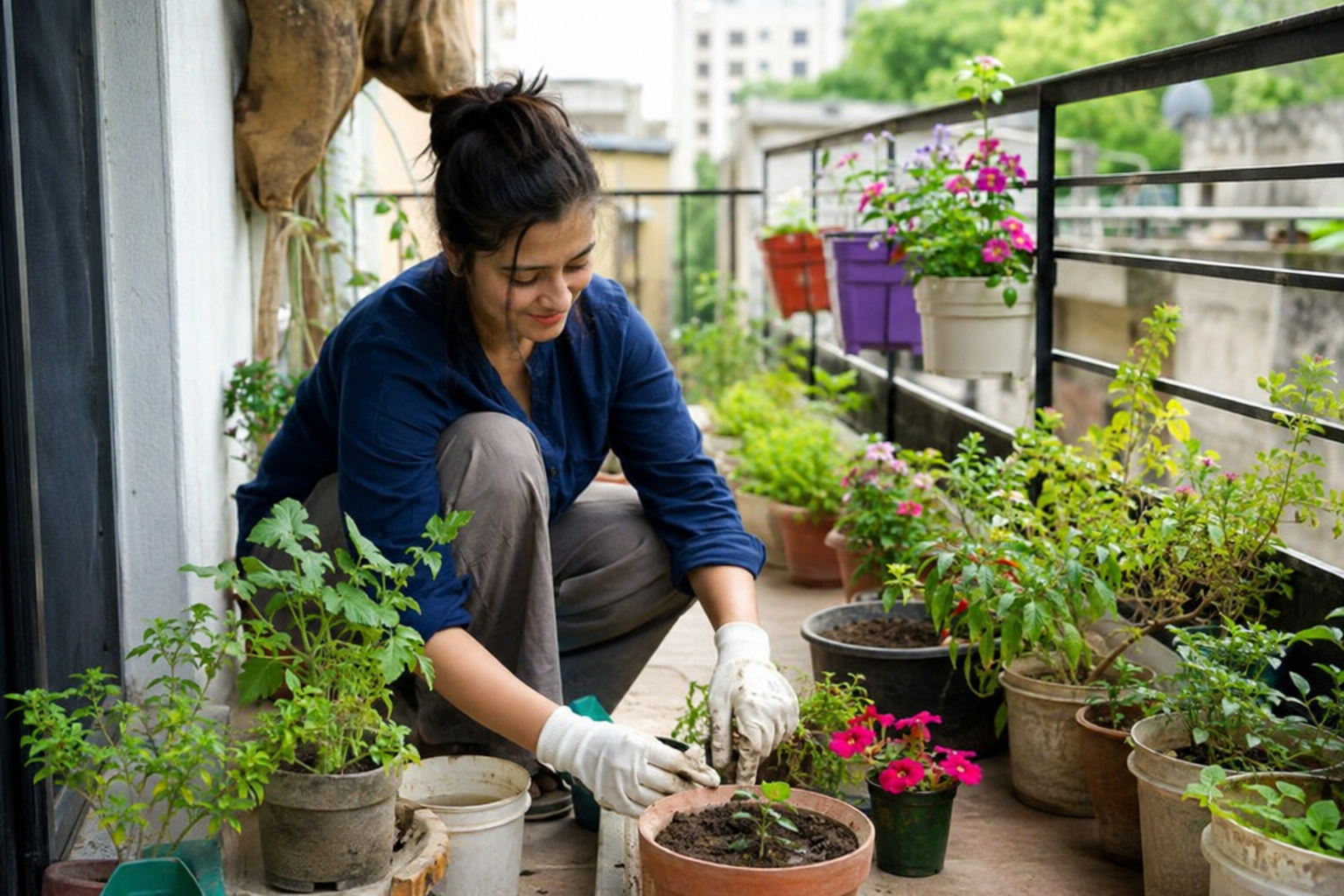
Gardening at home is a simple and enjoyable hobby that anyone can learn. You do not need a large yard, expensive tools, or years of experience to start growing plants. Even a small balcony, terrace, patio, or sunny corner near a window can become a beautiful home garden. For beginners, gardening is a great way to spend time outdoors, enjoy nature, grow fresh food, and create a peaceful space at home.
If you are wondering how beginners can start gardening at home, the best approach is to begin with a few easy plants and learn as you go. Gardening becomes easier when you understand the basic needs of plants, including sunlight, water, soil, and proper care. With patience and regular attention, your small garden can slowly become healthy and productive.
Choose the Right Location for Your Home Garden
The first step in starting a home garden is choosing the right location. Most plants need sunlight to grow well, so look around your home for an area that receives enough natural light. A garden near a sunny window, balcony, rooftop, patio, or backyard can work well.
Vegetables and herbs usually need several hours of sunlight each day. However, some plants can grow in partial shade. Before buying plants, observe how much sunlight your chosen area receives during the day. This will help you select plants that are suitable for the location.
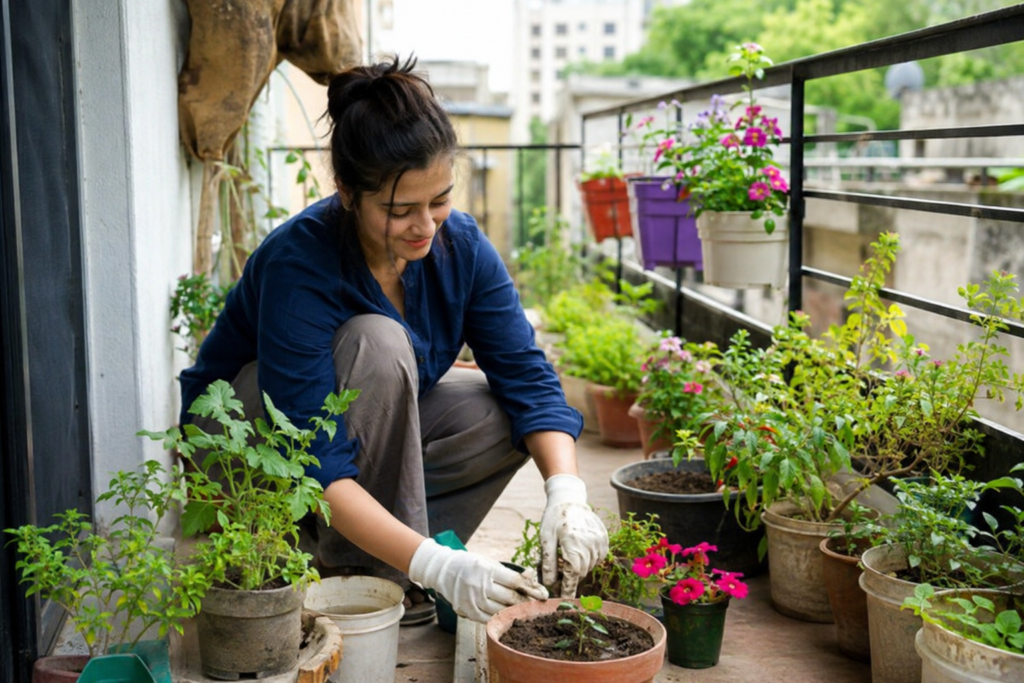
If you live in a small home or apartment, do not worry about having limited space. You can grow plants in containers, pots, hanging baskets, or small boxes. Container gardening is one of the easiest ways for beginners to start gardening at home.
Start With Easy Plants
Beginners should avoid starting with plants that require complicated care. Choose easy growing plants that can tolerate small mistakes. Herbs such as mint, basil, coriander, and parsley are good choices for a beginner garden. Vegetables such as tomatoes, green onions, lettuce, radishes, and peppers can also be suitable depending on your local climate.
Flowers can make your garden more attractive while giving you valuable gardening experience. Marigolds, sunflowers, petunias, and other beginner friendly flowers can be good options.
Starting with only a few plants allows you to understand their growth habits and care requirements. Once you gain confidence, you can gradually add more plants to your home garden.
Select Good Soil
Healthy soil is one of the most important parts of successful home gardening. Plants receive nutrients and support from the soil, so choosing suitable soil can make a big difference.
For container gardening, use good quality potting soil rather than ordinary soil from the ground. Potting soil is usually lighter and allows better drainage. You can also improve soil quality by adding compost or other organic material.
Good soil should hold enough moisture for plants while allowing excess water to drain away. Soil that remains wet for too long can damage plant roots. On the other hand, soil that dries out too quickly can make it difficult for plants to stay healthy.
Choose Suitable Containers
If you are growing plants in containers, choose pots that provide enough space for the roots. Very small containers can restrict root growth and may cause plants to dry out quickly.
Drainage holes are also important. They allow extra water to leave the container and help prevent root problems. You can use clay pots, plastic containers, wooden boxes, or other suitable gardening containers.
Make sure the container is safe for growing plants and large enough for the mature size of the plant. As your gardening skills improve, you can experiment with different container sizes and styles.
Learn How Much Water Plants Need
Watering is one of the most common challenges for beginner gardeners. Many new gardeners believe that more water means healthier plants, but this is not always true. Too much water can cause root problems, while too little water can make plants weak and dry.
Check the soil before watering. If the surface feels dry, the plant may need water. If the soil is still wet, wait before watering again. The amount of water needed depends on the plant, container size, weather, soil, and location.
Water plants gently around the base rather than constantly spraying the leaves. Morning is often a convenient time to water because plants can use the moisture during the day.
Understand Sunlight Requirements
Every plant has different sunlight needs. Some plants grow best in full sunlight, while others prefer partial shade. Understanding these needs is essential for a successful beginner garden.
Before planting, read the instructions on the seed packet or plant label. If a plant needs full sunlight, place it in a location where it can receive enough direct light. If it prefers shade, choose a cooler location with less direct sunlight.
If plants become tall, weak, pale, or lean strongly toward a light source, they may not be receiving enough light. Moving them to a brighter location may help.
Learn the Basics of Planting
When planting seeds, follow the depth instructions provided on the seed packet. Some seeds need to be planted deeply, while others only need a light covering of soil.
Do not place too many seeds in one small container. Plants need enough space for their roots, leaves, and branches to develop. When seedlings become crowded, they may compete for sunlight, water, and nutrients.
If you are using young plants instead of seeds, gently remove them from their original container and place them in prepared soil. Avoid damaging the roots during the process.
Use Compost for Healthy Growth
Compost can be a valuable addition to a home garden. It adds organic matter to the soil and can support healthy plant growth. Homemade compost can be created from suitable kitchen and garden waste such as vegetable scraps, fruit peels, dry leaves, and grass clippings.
Using compost can also reduce household waste. However, beginners should learn proper composting methods and avoid adding unsuitable materials.
A small amount of mature compost mixed into garden soil can improve its structure. Compost is especially useful when growing vegetables and herbs because healthy soil supports strong plant development.
Protect Plants From Pests
Garden pests can sometimes damage leaves, stems, flowers, and fruits. Beginners should regularly inspect their plants for signs of insects or disease.
Look under leaves and around new growth because pests can sometimes hide in these areas. If you notice damaged leaves, small insects, or unusual spots, identify the problem before taking action.
Keeping plants healthy can reduce many problems. Good sunlight, suitable watering, proper spacing, and healthy soil can help plants become stronger. Remove badly damaged leaves when appropriate and keep the gardening area clean.
Create a Simple Gardening Routine
A regular gardening routine can make plant care easier. You do not need to spend hours every day in the garden. A few minutes of observation and care can be enough for a small home garden.
Check your plants regularly. Look at the soil, leaves, stems, and overall growth. Water when needed, remove weeds, clean dead leaves, and check for pests.
Keeping a simple gardening journal can also help. Write down when you planted seeds, when you watered plants, and when you noticed new growth. Over time, this information can help you understand what works best in your garden.
Be Patient With Your Garden
One of the most important gardening tips for beginners is to be patient. Plants do not grow overnight. Some seeds may take days or weeks to germinate, while vegetables and flowers can take much longer to mature.
You will probably make mistakes when you begin gardening. A plant may become weak, a seed may not grow, or you may water too much or too little. These experiences are part of learning.
Instead of becoming discouraged, use every mistake as a lesson. Gardening improves through observation and practice. The more time you spend caring for plants, the better you will understand their needs.
Start Small and Grow Gradually
Starting a home garden does not mean filling your entire space with plants immediately. A small garden is easier to manage and allows beginners to learn basic skills without feeling overwhelmed.
Start with three to five plants that you genuinely want to grow. Once you understand how they respond to sunlight, water, soil, and weather, you can add more plants.
You can eventually create a mixed garden with vegetables, herbs, flowers, and decorative plants. You may also experiment with container gardening, vertical gardening, or indoor plants.
Conclusion
Learning how beginners can start gardening at home is much easier when you take small steps and focus on the basics. Choose a suitable location, start with easy plants, use healthy soil, provide enough sunlight, water carefully, and check your plants regularly.
Home gardening is not only about growing plants. It can become a relaxing hobby that connects you with nature and gives you the satisfaction of watching something grow through your own care. Whether you have a large backyard or a small balcony, you can start with a few containers and gradually build your own home garden.
With patience, regular care, and a willingness to learn, gardening at home can become an enjoyable part of your daily life. Start small, pay attention to your plants, learn from your mistakes, and enjoy the process of creating a greener and healthier home.
