Pruning plants is one of the easiest ways to help a garden look healthy, neat, and full of life. Many beginners feel nervous about cutting branches or leaves because they worry that they may damage the plant. However, when pruning is done correctly, it can encourage new growth, improve the shape of the plant, and help prevent many common plant problems. Learning how to prune plants is an important gardening skill that can make a big difference in the health of your garden.
Whether you grow flowers, herbs, vegetables, shrubs, or small fruit plants, proper pruning can help them grow stronger. The key is knowing what to cut, when to cut it, and how much to remove. With a little practice and the right approach, pruning plants can become a simple part of your regular garden care routine.
What Is Plant Pruning?
Plant pruning means carefully removing selected parts of a plant, such as dead leaves, damaged branches, weak stems, or unwanted growth. The main purpose of pruning is to help the plant use its energy more effectively.
When a plant has dead or unhealthy parts, it may spend energy trying to support them. Removing these parts allows the plant to focus more energy on healthy stems, leaves, flowers, and roots. Pruning can also improve air movement around the plant and allow sunlight to reach areas that may otherwise remain too shaded.
Different plants have different pruning needs. Some plants need regular trimming, while others only need occasional pruning. Before cutting a plant, it is always helpful to understand its natural growth pattern.
Why Pruning Plants Is Important
There are several benefits of pruning plants properly. One of the biggest benefits is encouraging healthy new growth. When old or weak growth is removed, the plant can put more energy into developing strong new shoots.
Pruning can also help plants maintain a better shape. Overgrown plants can become messy and may take up more space than expected. Regular trimming helps control their size and keeps the garden looking organized.
Another important benefit is improved air circulation. When branches and leaves become too crowded, moisture can remain trapped between them. This can create conditions where fungal problems develop more easily. Removing some crowded growth allows air to move through the plant.
Pruning also helps remove damaged or diseased parts before problems spread. If you notice a broken branch, yellowing leaf, or unhealthy stem, removing it carefully can protect the healthier parts of the plant.
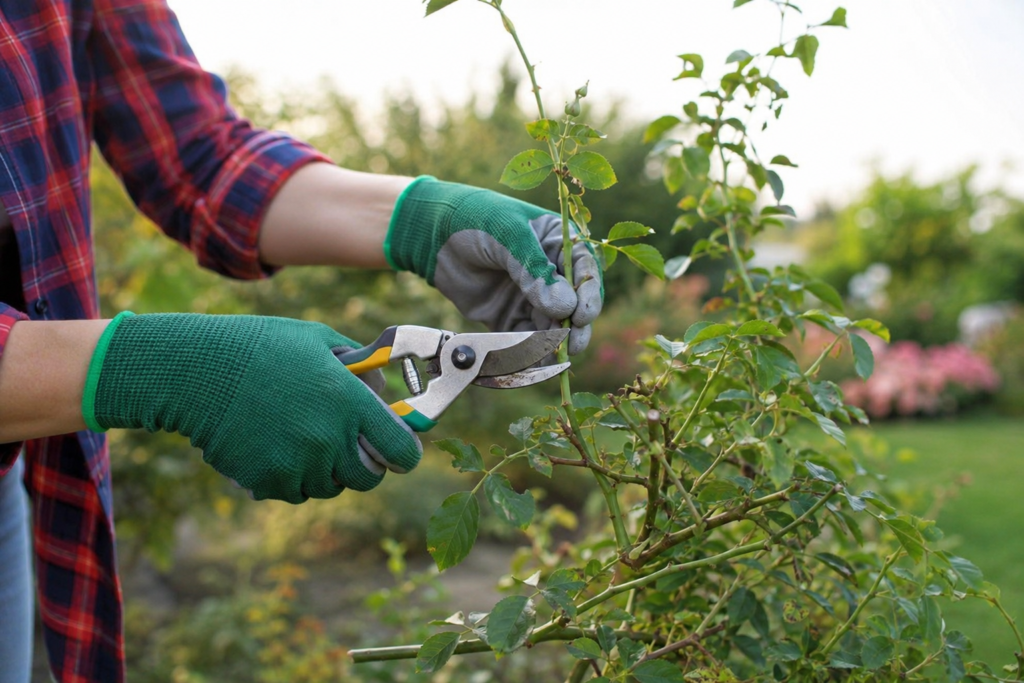
Choose the Right Pruning Tools
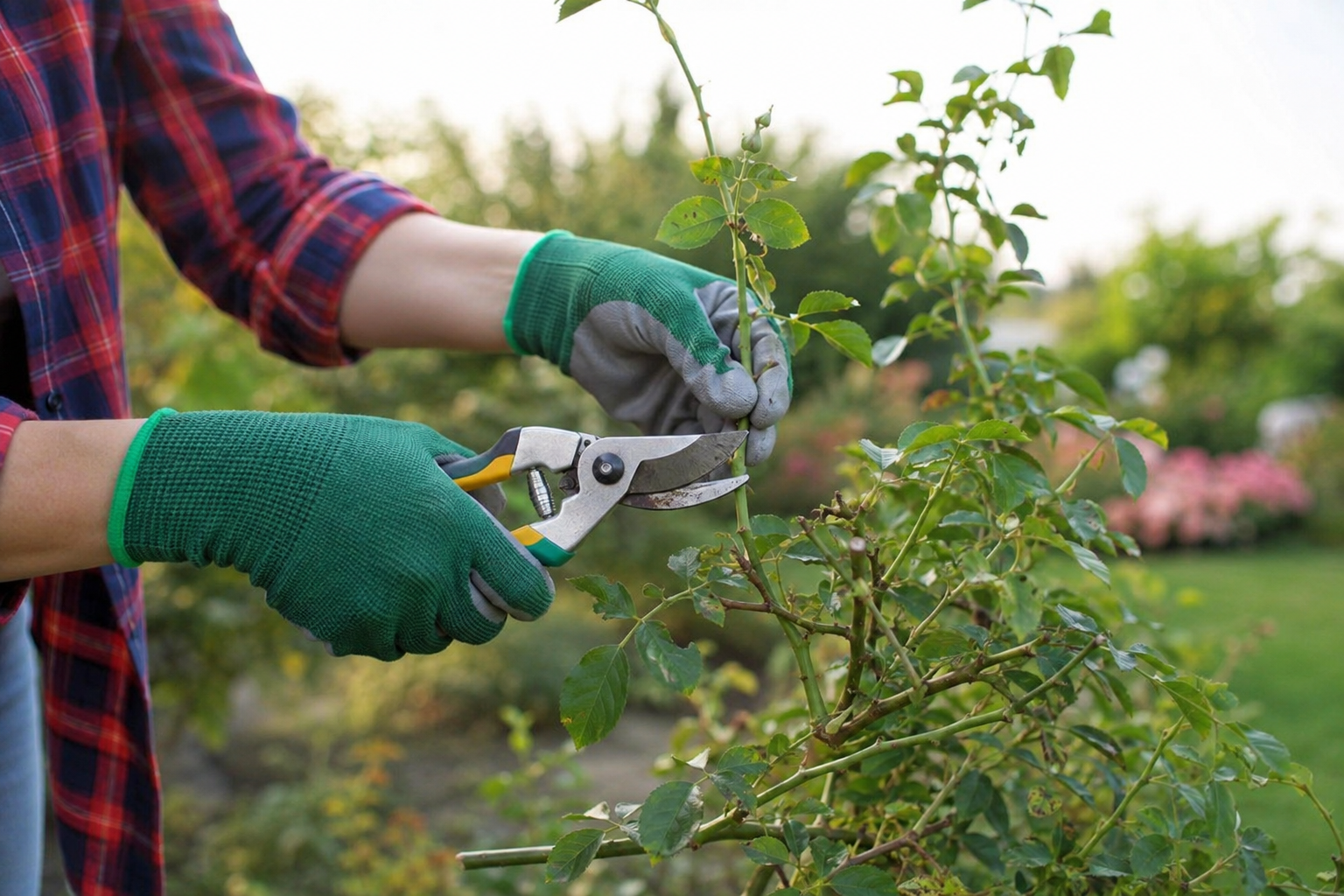
Using clean and sharp tools makes pruning easier and safer for plants. A basic pair of pruning shears is useful for small stems and branches. For thicker branches, you may need stronger cutting tools.
Always clean your pruning tools before and after use. Dirty tools can transfer diseases from one plant to another. A sharp blade also creates a cleaner cut, which can help the plant recover more easily.
Avoid using dull or damaged tools because they may crush stems instead of cutting them properly. Clean cuts are generally better for plant health and make pruning more effective.
Remove Dead and Damaged Growth First
If you are new to pruning, start with the easiest task. Look for dead, broken, dry, or damaged branches and remove them first. These parts are no longer useful to the plant and can sometimes attract pests or create places where disease may develop.
When removing a damaged branch, cut it back to healthy tissue. Avoid leaving a long dead section because it may continue to decay. At the same time, do not cut unnecessarily into healthy areas.
Dead leaves should also be removed when appropriate. Keeping the plant free from old and unhealthy material can improve its appearance and support better overall garden care.
Prune at the Right Time
Timing is very important when pruning plants. The best time depends on the type of plant and its flowering or growth cycle.
Many plants can be pruned during their dormant period because they are not actively producing large amounts of new growth. Other plants benefit from pruning after they finish flowering. Some fast growing plants may need light trimming throughout the growing season.
Avoid heavy pruning during periods of extreme heat, cold, or drought when the plant is already under stress. If you are unsure about the best time, learn about the specific plant before making major cuts.
How to Make the Right Cut
Where you make a cut can affect how the plant grows afterward. Try to make clean cuts without crushing the stem. When removing a branch, avoid leaving a large unnecessary stub.
For many plants, cutting just above a healthy bud can encourage new growth in the direction of that bud. Look at the position of the bud before cutting. If you want new growth to develop outward, choose an outward facing bud when the plant’s growth pattern allows it.
Do not make random cuts simply to reduce the size of a plant. Each cut should have a purpose. Think about the plant’s shape and future growth before removing a healthy branch.
Avoid Over Pruning
One common mistake beginners make is removing too much growth at one time. Although pruning can improve plant health, excessive cutting can weaken a plant and create unnecessary stress.
A good approach is to remove only what is needed. Start with dead, diseased, broken, or unwanted growth. Then step back and look at the plant before making more cuts.
If a plant is badly overgrown, it may be better to prune it gradually instead of removing a large amount of growth in one session. This gives the plant more time to recover and produce new growth.
Pruning for Better Air and Sunlight
Crowded growth can prevent sunlight and fresh air from reaching the center of a plant. This is especially common in shrubs, flowering plants, and some fruiting plants.
Look for branches that cross each other or grow directly into the center of the plant. Removing selected branches can create more open space. This allows light to reach more leaves and improves air circulation.
Good airflow can be especially helpful in humid conditions because it allows moisture to dry more quickly. However, avoid creating a plant that is too open. The goal is balanced growth rather than removing as much as possible.
Pruning Flowering Plants
Pruning flowering plants can encourage a cleaner shape and sometimes support more flowers. Removing faded flowers is often called deadheading. It prevents the plant from putting unnecessary energy into old flowers and seed production, depending on the plant.
When deadheading, remove the faded flower and its stem according to the plant’s natural structure. Some flowering plants benefit from regular deadheading, while others do not need it.
Always consider when the plant produces flowers. If you prune at the wrong time, you may accidentally remove flower buds that would have opened later.
Pruning Vegetable Plants
Some vegetable plants can also benefit from careful pruning. Tomatoes are a common example. Removing selected unwanted shoots can help improve airflow and make it easier to support the plant.
However, not every vegetable should be pruned heavily. Plants such as lettuce, carrots, and many root vegetables generally have different growth habits and should not be treated like shrubs or fruit trees.
Before pruning vegetables, understand how the plant produces leaves, flowers, and fruit. This helps you avoid removing parts that the plant needs for healthy growth.
Keep Plants Healthy After Pruning
After pruning, continue providing good basic care. Water the plant according to its needs and make sure it receives suitable sunlight. Healthy soil also supports recovery and new growth.
Do not automatically add large amounts of fertilizer after every pruning session. Too much fertilizer can create additional problems. Instead, focus on proper watering, suitable soil, sunlight, and regular observation.
Watch the plant over the following days and weeks. New shoots may appear from different areas, and you can use future light pruning to guide the plant’s shape.
Common Pruning Mistakes to Avoid
One common mistake is pruning without a clear reason. Every cut should have a purpose. Another mistake is using dirty tools, which can spread plant diseases.
Beginners also sometimes prune during stressful weather or remove too much growth at once. Cutting healthy branches unnecessarily can slow development and reduce the plant’s ability to produce energy.
Another mistake is treating every plant in the same way. A rose, tomato plant, herb, shrub, and fruit tree may all require different pruning methods. Learning the basic needs of each plant will give you better results.
Final Thoughts
Learning how to prune plants for better growth does not have to be difficult. Start by removing dead and damaged growth, use clean and sharp tools, choose the right time, and make careful cuts. Avoid over pruning and always consider the plant’s natural shape and growth pattern.
Regular observation is one of the most useful gardening habits. When you pay attention to how your plants grow, you will gradually understand where pruning can help. With proper pruning, your garden plants can develop stronger growth, better shape, improved airflow, and a healthier appearance.
The most important thing is to prune with patience. You do not need to remove everything at once. A few thoughtful cuts can often do more good than heavy trimming. With practice, proper plant pruning can become an easy and rewarding part of keeping your garden healthy and beautiful.