A healthy and beautiful garden needs regular care throughout the year. Every season brings different weather conditions, temperatures, and challenges for plants. Learning how to prepare your garden for every season can help your plants grow stronger, protect them from harsh weather, and keep your outdoor space looking fresh and attractive.
Seasonal garden preparation does not have to be difficult. With simple planning and regular maintenance, you can keep your soil healthy, control weeds, protect plants, and enjoy a productive garden all year. Whether you are a beginner gardener or have years of experience, following a seasonal gardening routine can make plant care much easier.
Understand Your Garden Before Each Season
Before making changes to your garden, take some time to understand its needs. Look at the condition of your soil, plants, trees, and garden beds. Check for damaged branches, weeds, pests, standing water, and areas where plants are not growing well.
Knowing your local climate is also important. Some plants grow well in warm weather while others prefer cooler conditions. Choose plants that can handle the temperatures and weather patterns in your area. This simple step can make seasonal garden care more successful.
Preparing Your Garden for Spring
Spring is one of the best times to prepare your garden for new growth. As temperatures become warmer, plants begin waking from their winter rest. This is the perfect time to clean garden beds and prepare the soil.
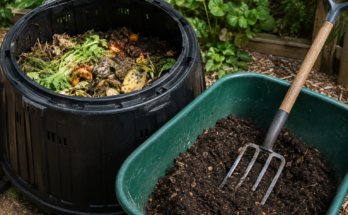
Start by removing dead leaves, broken branches, and other garden debris. Clearing old plant material improves air circulation and gives new plants more space to grow. However, healthy organic material can often be added to a compost pile instead of being thrown away.
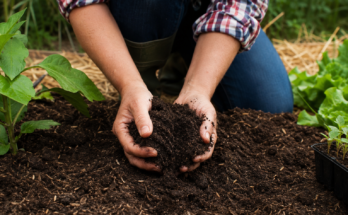
Next, inspect your soil. Garden soil may become compacted during winter, making it difficult for plant roots to receive air and water. Gently loosen the soil and add compost or other organic matter when needed. Healthy soil provides plants with important nutrients and supports strong root development.
Spring is also a good time to plan your vegetable garden. Choose vegetables and flowers that are suitable for your growing season. Plant seeds according to local weather conditions and give each plant enough space.
Do not forget about watering. New plants need consistent moisture, but overwatering can damage roots. Check the soil before watering and provide enough water to keep the root area comfortably moist.
Spring Weed and Pest Control
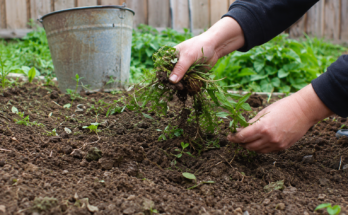
Weeds can grow quickly during spring. Remove them while they are still small because young weeds are easier to control. Pull weeds carefully and try to remove their roots.
You should also inspect plants for insects and signs of disease. Look under leaves and around stems for unusual spots, holes, or insects. Early detection makes garden pest control much easier.
Using natural methods can help protect your plants without unnecessary chemicals. Healthy soil, proper spacing, beneficial insects, and regular garden inspection can all reduce pest problems.
Preparing Your Garden for Summer
Summer can bring high temperatures, strong sunlight, and dry conditions. Preparing your garden for summer means focusing on water management, soil protection, and plant health.
Mulching is one of the most useful summer gardening practices. A layer of organic mulch around plants can help the soil retain moisture and reduce weed growth. It can also protect plant roots from extreme temperature changes.
Water your garden deeply rather than giving plants very small amounts of water frequently. Deep watering encourages roots to grow further into the soil. Morning is generally a good time to water because less water is lost to evaporation compared with very hot parts of the day.
During hot weather, pay attention to plants that show signs of stress. Wilting leaves, dry soil, and slow growth may indicate that a plant needs more moisture or protection from extreme heat.
Avoid unnecessary pruning during very hot periods unless a plant needs immediate attention. Removing too much foliage can expose plants to stronger sunlight.
Keep Your Summer Garden Healthy
Regular harvesting is important in a vegetable garden. Pick vegetables when they reach the appropriate size and maturity. Regular harvesting can encourage many plants to continue producing.
Continue removing weeds throughout summer. Weeds compete with garden plants for water, nutrients, and sunlight. A few minutes of weed control every week can prevent a much bigger problem later.
Check plants regularly for pests and diseases. Summer heat can create conditions that encourage some insects and plant diseases. Remove badly damaged leaves and keep the garden clean.
Preparing Your Garden for Autumn
Autumn is a season of change. Temperatures begin to fall, leaves change color, and many plants slow their growth. This is a good time to prepare your garden for cooler weather.
Begin by removing unhealthy annual plants that have finished producing. Healthy plant material can sometimes be composted, while diseased plants should be handled carefully to avoid spreading problems.
Autumn is also an excellent time to improve your soil. Add compost or well processed organic matter to garden beds. Over time, organic matter improves soil structure and helps the soil hold nutrients and moisture.
Fall is also a good planting season for many trees, shrubs, bulbs, and cool season vegetables. Planting during cooler weather can allow roots to become established before the next growing period.
Protect Plants Before Winter
As temperatures continue to fall, identify plants that may need extra protection. Some plants can handle cold weather naturally, while others may need to be moved indoors or protected with suitable covers.
Container plants are often more vulnerable because their roots have less protection from cold temperatures. Move sensitive containers to a sheltered location when necessary.
Continue watering plants when the soil is dry, especially before a period of cold weather. Well hydrated plants are often better prepared for changing conditions.
Autumn is also a useful time to clean and organize gardening tools. Wash soil from tools, dry them properly, and store them in a dry place. Sharp and clean tools make future garden maintenance easier.
Preparing Your Garden for Winter
Winter gardening preparation focuses mainly on protecting plants and soil. Before severe cold arrives, inspect your garden carefully and make sure sensitive plants have appropriate protection.
A suitable layer of mulch around plant roots can provide insulation and help reduce rapid changes in soil temperature. Avoid placing excessive mulch directly against plant stems or tree trunks.
Protect young trees and delicate plants from strong winds when necessary. Remove weak or broken branches that could cause damage during storms.
Do not forget about your garden equipment. Store hoses, pots, tools, and other items properly. Clean gardening tools before storage to reduce rust and damage.
Winter can also be a useful planning season. Think about what worked well during the previous year and what needs improvement. Make notes about successful plants, problem areas, and future planting ideas.
Take Care of Your Soil All Year
Healthy soil is the foundation of a successful garden. Instead of focusing only on plants, make soil care part of your seasonal gardening routine.
Adding compost regularly can improve soil structure and provide nutrients. Organic matter can also support beneficial organisms that contribute to healthy soil.
Avoid walking repeatedly over garden beds because this can compact the soil. Keep pathways separate from growing areas whenever possible.
If your garden has drainage problems, address them before planting heavily. Standing water can damage roots and create conditions that encourage disease.
Create a Simple Seasonal Garden Routine
You do not need to complete every gardening task in one day. Create a simple routine and divide larger jobs into smaller activities.
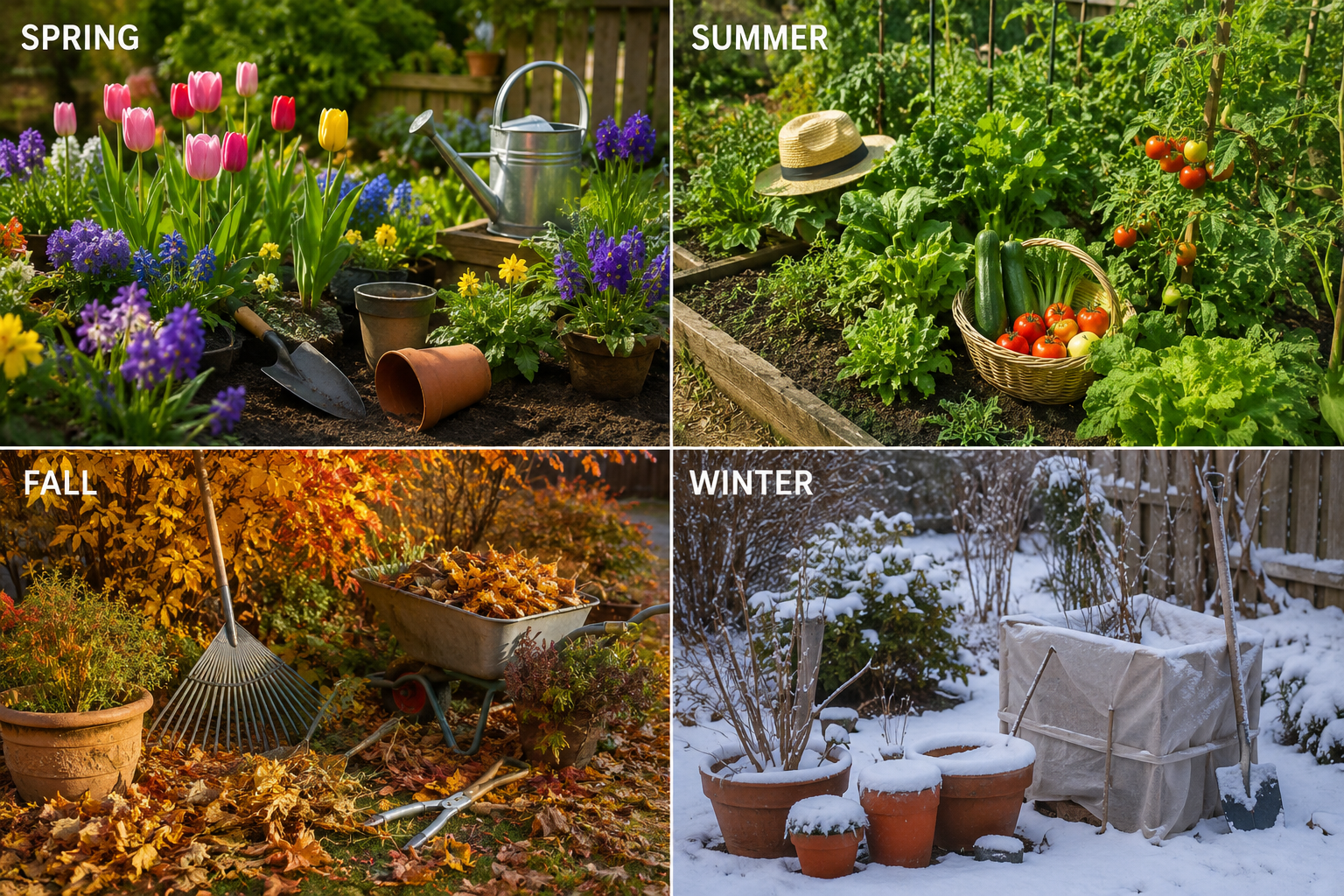
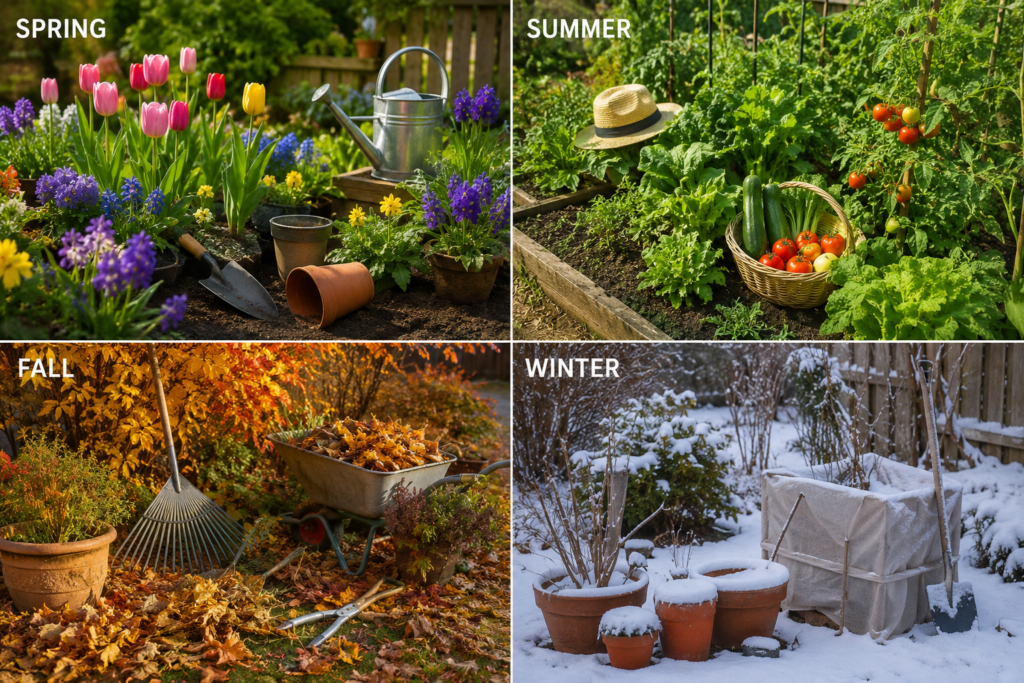
In spring, focus on cleaning, soil preparation, planting, and weed control. During summer, concentrate on watering, mulching, harvesting, and pest inspection. In autumn, focus on soil improvement, cleanup, planting suitable crops, and preparing sensitive plants for cold weather. During winter, protect plants, maintain equipment, and plan for the next growing season.
Keeping a simple garden journal can also be helpful. Write down planting dates, weather conditions, successful crops, and problems you notice. These notes can help you make better decisions in future seasons.
Final Thoughts
Preparing your garden for every season is one of the best ways to maintain healthy plants and beautiful outdoor spaces. Each season requires different types of care, but the basic principles remain the same. Pay attention to your plants, improve your soil, manage water carefully, control weeds, and respond to weather changes.
Good seasonal garden preparation also saves time because small tasks completed regularly can prevent larger problems later. With patience and consistent care, your garden can remain productive and attractive throughout the year.
The most important thing is to observe your garden and learn what works best for your local conditions. Every garden is different, and experience will help you develop a routine that fits your plants, soil, and climate. By following simple seasonal gardening practices, you can create a stronger, healthier, and more enjoyable garden in every season.