Compost is one of the easiest and most natural ways to improve your home garden. It helps the soil become healthier, supports plant growth, and reduces the amount of kitchen and garden waste that goes into the trash. If you want stronger plants, better soil, and a more productive garden, learning how to use compost correctly can make a big difference.
Many beginner gardeners think compost is only useful as a fertilizer, but it does much more than that. Compost improves soil structure, helps the soil hold moisture, supports useful microorganisms, and slowly provides nutrients to plants. The best part is that you can make compost at home using many common organic materials.
What Is Compost?
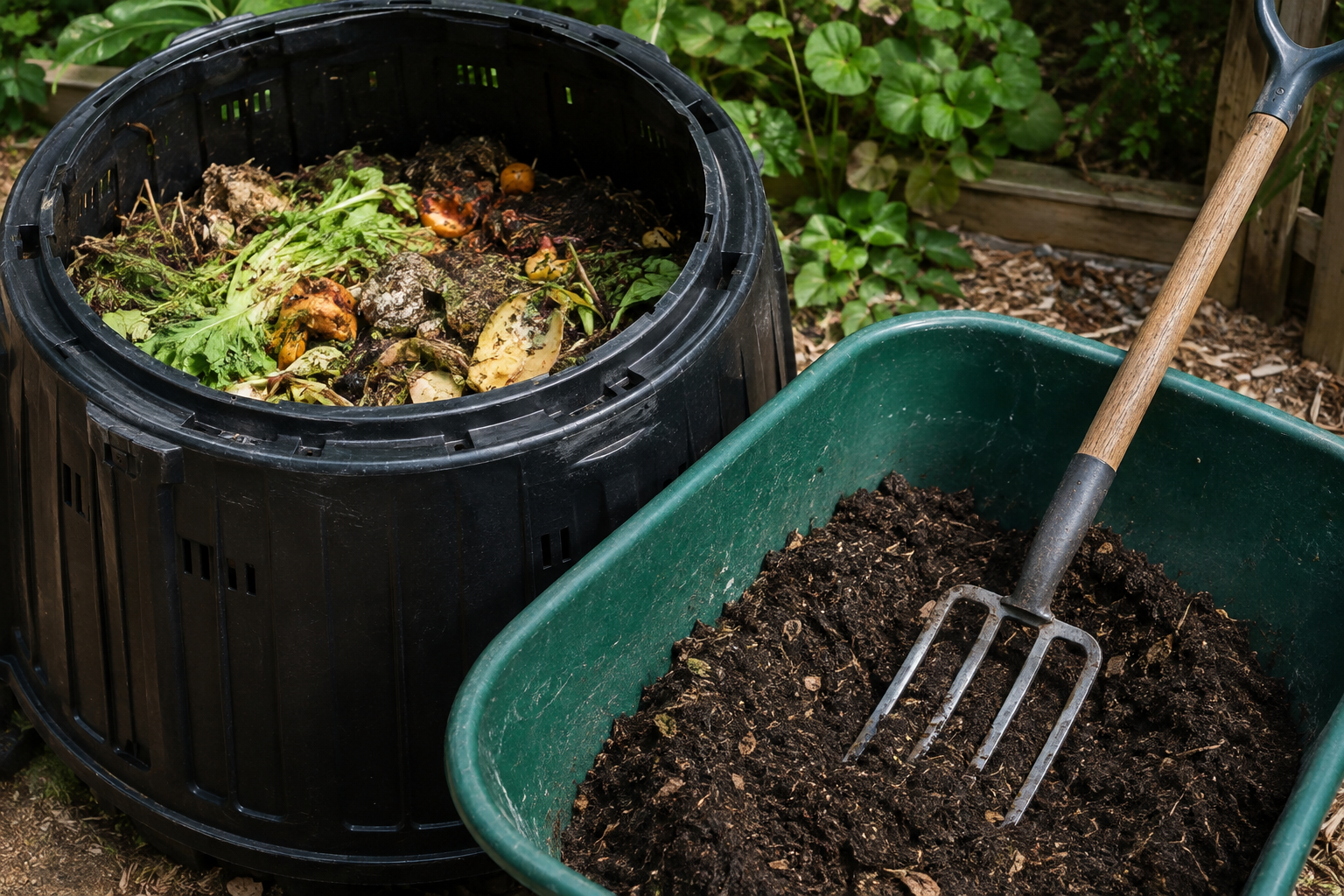
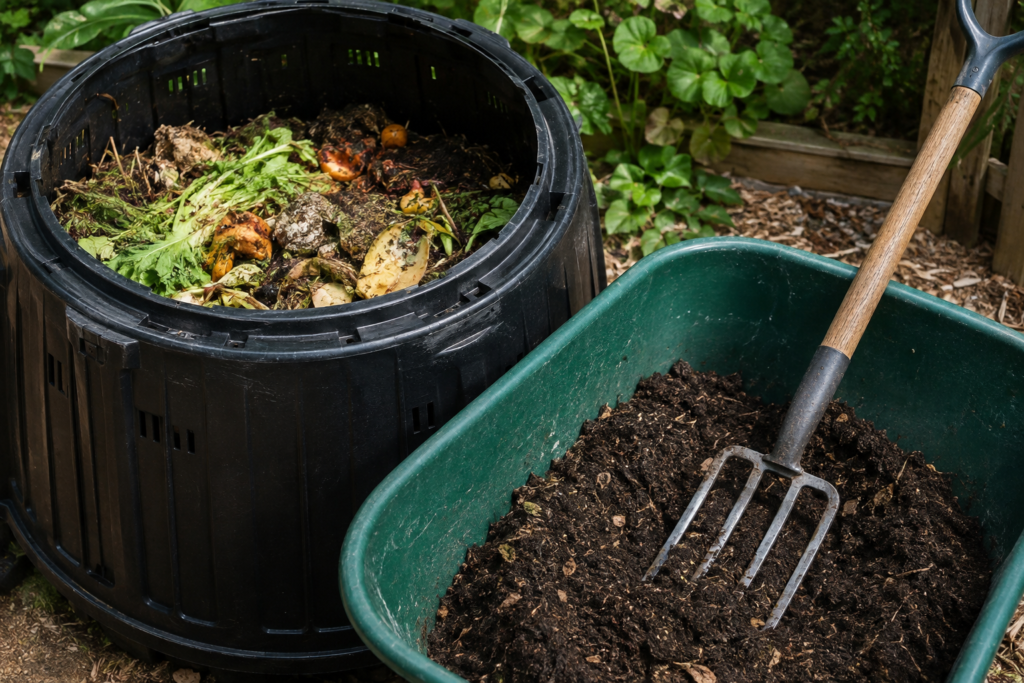
Compost is organic material that has broken down naturally into a dark, rich substance. It is made from materials such as vegetable scraps, fruit peels, dry leaves, grass clippings, coffee grounds, and other plant based waste. Over time, microorganisms break these materials down and turn them into nutrient rich compost.
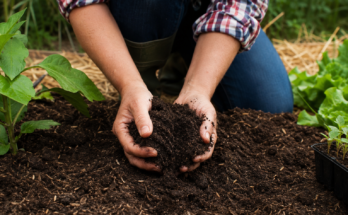
Good compost usually looks dark brown or almost black. It has a soft texture and an earthy smell. When compost is fully ready, you should not be able to recognize most of the original materials.
Using compost in your home garden is a simple way to return nutrients to the soil and create better growing conditions for flowers, vegetables, herbs, and other plants.
Why Compost Is Important for Garden Soil
Healthy soil is the foundation of a healthy garden. Plants need nutrients, water, air, and space around their roots to grow properly. Compost helps improve several of these conditions at the same time.
Compost adds organic matter to the soil, which can improve its texture and structure. It can help sandy soil hold more moisture while also helping heavy clay soil become looser and easier to work with. This allows plant roots to grow more easily.
Compost also contains nutrients that are released slowly. This gives plants a steady supply of nutrients instead of providing everything at once. Regularly adding compost can help maintain healthy soil for many growing seasons.
Another important benefit is that compost supports beneficial organisms in the soil. Earthworms and helpful microorganisms thrive in soil that contains organic matter. These organisms contribute to natural soil activity and help create an environment where plants can grow well.
How to Choose Good Compost
Before using compost in your garden, make sure it is mature and properly decomposed. Fresh compost can sometimes contain materials that have not broken down completely. It may also produce heat while decomposition is still taking place.
Mature compost should have a dark color and a pleasant earthy smell. It should feel crumbly rather than wet and sticky. If you can easily identify large amounts of fresh food scraps or plant material, give the compost more time to break down.
You can make your own compost at home or buy ready made compost from a garden supply store. If you make compost yourself, use a mixture of green materials and brown materials. Green materials include vegetable scraps and fresh grass clippings, while brown materials include dry leaves, cardboard, and small pieces of untreated wood.
How to Add Compost to Garden Soil
One of the easiest ways to use compost is to mix it into garden soil before planting. Spread a layer of mature compost over the soil and gently mix it into the top few inches.
You do not need to use a huge amount. A moderate layer of compost is usually enough to improve the soil. Mixing compost into the soil helps distribute organic matter around the root zone.
For a new garden bed, compost can be added before planting. For an existing garden, you can carefully place compost around plants without damaging their roots.
Avoid digging deeply around established plants because their roots may be close to the soil surface. Instead, add compost as a top layer and allow rain and natural soil activity to move nutrients into the soil.
Using Compost Around Vegetables
Compost is especially useful in a vegetable garden. Vegetables need healthy soil to produce strong leaves, flowers, and fruits.
Before planting vegetables, mix mature compost into the garden soil. This can create a better growing environment for seeds and young plants.
You can also add a small amount of compost around established vegetables during the growing season. Place it around the base of the plant while keeping some space between the compost and the stem.
Compost can be useful for vegetables such as tomatoes, peppers, cucumbers, beans, lettuce, carrots, and leafy greens. However, plants have different nutrient needs, so compost should be part of a balanced garden care routine rather than the only source of nutrients.
Using Compost as Mulch
Another excellent way to use compost is as a mulch. Spread a thin layer of compost around plants to cover the soil surface.
Compost mulch can help protect the soil from drying out too quickly. It can also reduce weed growth and slowly add organic matter to the soil as it breaks down further.
Keep compost slightly away from plant stems. Direct contact with wet organic material can sometimes encourage problems around the base of plants.
Adding compost mulch regularly is an easy gardening habit because it improves the soil without requiring heavy digging.
Compost for Flower Gardens
Compost is not only for vegetables. Flowers and ornamental plants can also benefit from healthy soil.
Before planting flowers, mix compost into the soil to improve its structure. You can also add a thin layer around established flowers during the growing season.
Compost can support healthy root development and help plants handle changes in moisture. When the soil has enough organic matter, plants may have better access to water and nutrients.
Whether you grow roses, marigolds, sunflowers, petunias, or other garden flowers, adding mature compost can help create better growing conditions.
Using Compost in Containers
Compost can also be used in container gardening, but it should not normally make up the entire potting mix. Container plants need good drainage and air around their roots.
A small amount of mature compost can be mixed with quality potting soil to add organic matter and nutrients. Avoid filling containers with heavy garden soil and large amounts of compost because this can reduce drainage.
For potted herbs and vegetables, using a balanced potting mix with some compost can provide a healthy environment for roots.
How Often Should You Add Compost?
There is no single rule for every garden, but adding compost once or twice a year is a good starting point for many home gardeners.
You can add compost before the main planting season and then use a small amount as a surface layer during the growing season.
The amount you need depends on your soil, plants, climate, and gardening method. Instead of adding large quantities at once, regular moderate applications are often easier and more effective.
Observe your garden over time. If the soil becomes easier to work with and plants are growing well, your compost routine may be working effectively.
Common Compost Mistakes to Avoid
One common mistake is using unfinished compost. Make sure your compost is mature before adding it to the garden.
Another mistake is adding too much compost. More is not always better. Excessive organic material can affect soil balance and may create problems for some plants.
Avoid placing thick layers of compost directly against plant stems. Keep the material around the plant rather than touching it.
You should also avoid using compost made from materials that may contain chemicals or harmful substances. Use clean organic materials whenever possible.
Final Thoughts
Learning how to use compost in your home garden is a simple step that can improve your gardening results over time. Compost helps improve soil structure, supports beneficial soil organisms, adds organic matter, and provides nutrients for healthy plant growth.
You can mix compost into garden soil before planting, use it as mulch, add it around established plants, or include a small amount in container potting mixes. The key is to use mature compost in reasonable amounts and apply it regularly.
A healthy garden starts with healthy soil. By making compost part of your regular gardening routine, you can create better growing conditions for vegetables, flowers, herbs, and many other plants while also making useful use of organic household waste. With a little patience and consistent care, compost can become one of the most valuable resources in your home garden.