Healthy garden soil is one of the most important things for growing strong and beautiful plants. Many gardeners focus mainly on watering, sunlight, fertilizers, and pest control, but the condition of the soil is just as important. Good soil gives plants the nutrients, water, air, and support they need to grow properly. If garden soil becomes weak, dry, compacted, or poor in nutrients, plants may grow slowly and produce fewer flowers, fruits, or vegetables.
The good news is that keeping garden soil healthy does not have to be difficult. With a few simple gardening habits, you can improve soil quality and maintain a productive garden for a long time. In this article, you will learn easy tips for keeping garden soil healthy and supporting better plant growth.
Add Organic Matter to the Soil
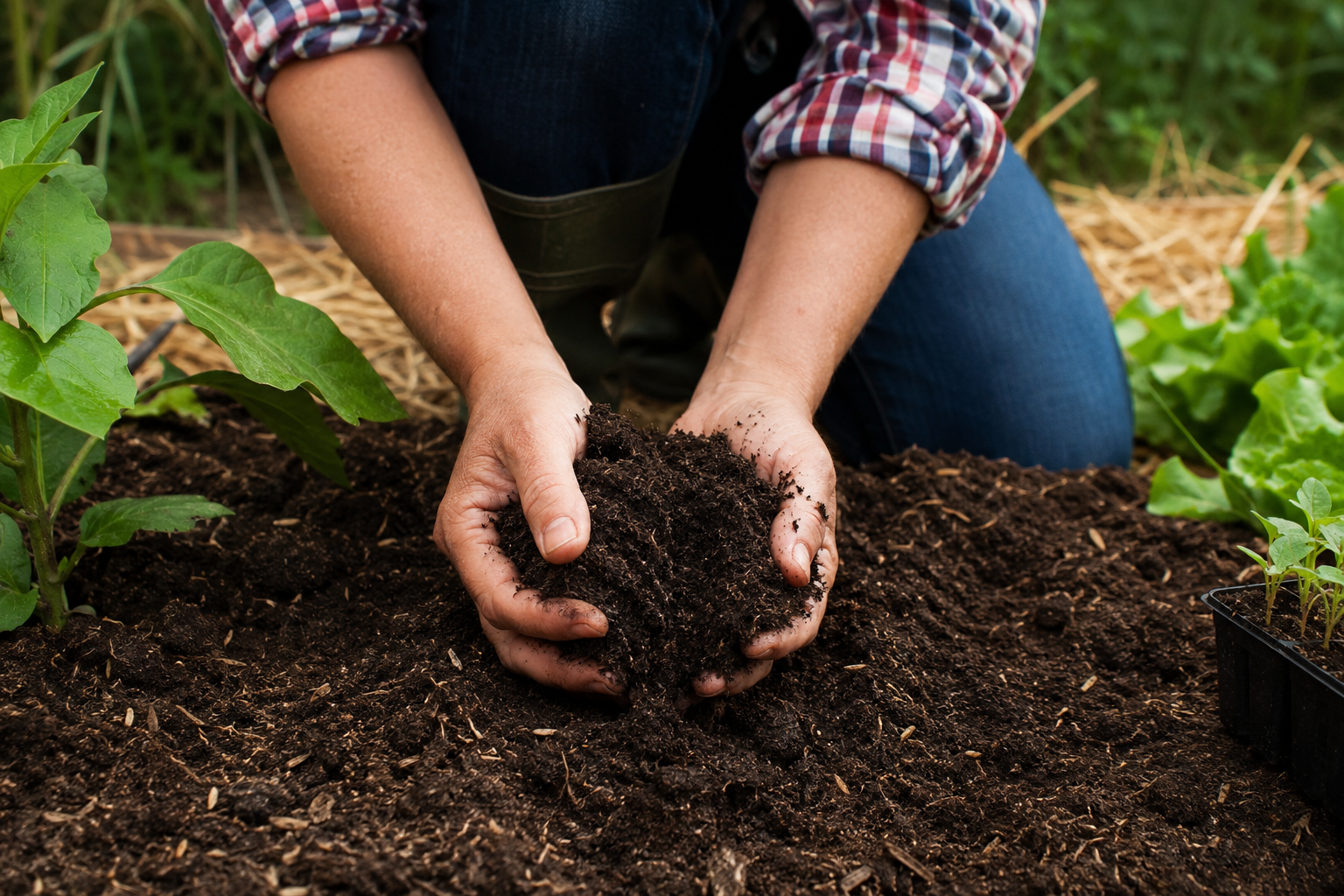
One of the easiest ways to improve garden soil is to add organic matter. Organic matter helps improve the structure of soil and provides nutrients that plants need. It can also help soil hold moisture while allowing extra water to drain properly.
Compost is one of the best choices for improving garden soil. You can make compost from materials such as dry leaves, grass clippings, vegetable scraps, and other suitable organic materials. Adding finished compost to your garden every season can gradually make the soil richer and easier to work with.
Well aged manure can also be useful when applied properly. Organic matter supports beneficial organisms in the soil, which play an important role in breaking down natural materials and making nutrients available to plants.
Avoid Overwatering Your Garden
Water is necessary for healthy plants, but too much water can damage garden soil. Overwatering can remove nutrients, reduce air spaces in the soil, and create conditions where plant roots struggle to breathe.
Before watering your plants, check the soil moisture with your finger. If the soil is still moist a few inches below the surface, you may not need to water immediately. Water deeply when needed instead of adding small amounts of water many times throughout the day.
Good watering habits help maintain healthy soil moisture and encourage plant roots to grow deeper into the ground.
Protect Soil With Mulch
Mulching is another simple way to keep garden soil healthy. A layer of organic mulch can protect the surface of the soil from strong sunlight, heavy rain, and drying winds.
Materials such as dry leaves, straw, grass clippings, and wood based mulch can be used around plants. Mulch helps reduce water loss and keeps the soil cooler during hot weather. As organic mulch slowly breaks down, it also adds organic matter to the soil.
Avoid placing a very thick layer directly against plant stems. Leave some space around the base of plants to reduce the risk of moisture related problems.
Do Not Compact the Soil
Compacted soil can make it difficult for roots to spread and receive enough air and water. Walking repeatedly on garden beds, using heavy equipment, or working wet soil can cause soil compaction.
Try to avoid stepping directly on planting areas whenever possible. Create simple paths around garden beds so that you can reach plants without damaging the growing soil.
If soil is already compacted, gently loosen it with an appropriate garden tool. Adding compost regularly can also improve soil structure over time.
Test Your Garden Soil
A soil test can help you understand what your garden soil needs. Soil testing can provide information about important factors such as soil pH and nutrient levels.
Different plants prefer different soil conditions, so testing can help you make better decisions about fertilizers and soil amendments. Instead of adding large amounts of fertilizer without knowing what the soil needs, use test results as a guide.
A basic soil test can be especially helpful when plants repeatedly show poor growth even though they receive enough water and sunlight.
Use Fertilizer Carefully
Fertilizer can provide nutrients to plants, but using too much can create problems for both plants and soil. Excess fertilizer may damage plant roots and can contribute to nutrient buildup.
Choose a fertilizer based on the needs of your plants and the condition of your soil. Follow the instructions on the product and avoid applying more than recommended.
Organic fertilizers and compost can be useful options for gardeners who want to improve soil fertility gradually. Healthy soil should provide a balanced environment rather than depending entirely on large amounts of fertilizer.
Grow Cover Crops
Cover crops can be useful for protecting and improving garden soil, especially when a garden bed is not being used for regular crops. Plants such as clover, peas, beans, and certain grasses can cover the soil and reduce erosion.
Cover crops can also contribute organic matter when they are cut and incorporated into the soil at the appropriate time. Their roots can help improve soil structure and support soil life.
Even in a small garden, using plants to cover empty areas can be better than leaving soil exposed for long periods.
Rotate Your Crops
Growing the same type of plant in the same location every season can increase the risk of certain pests and diseases and may place repeated demands on the same soil nutrients.
Crop rotation means changing where different types of plants are grown from season to season. For example, you can grow tomatoes in one area during one season and use that space for beans or leafy vegetables later.
Crop rotation is a simple gardening practice that can support soil health and reduce some common garden problems.
Encourage Helpful Soil Organisms
Healthy soil contains many living organisms, including earthworms, fungi, bacteria, and other tiny creatures. These organisms help break down organic materials and contribute to natural nutrient cycling.
You can support soil life by adding compost, avoiding unnecessary chemical treatments, and keeping the soil covered with organic material.
Earthworms are especially helpful because their movement creates small spaces in the soil. These spaces can improve air movement and water flow while helping plant roots grow.
Keep the Soil Covered
Leaving garden soil completely bare for long periods can expose it to wind, rain, heat, and erosion. Soil can lose moisture quickly when it is not protected.
Using mulch, cover crops, or healthy plant growth can help protect the surface. Even during periods when you are not growing vegetables, consider using a suitable cover instead of leaving the soil exposed.
Keeping soil covered is one of the easiest habits you can develop for long term garden soil health.
Remove Weeds Carefully
Weeds compete with garden plants for water, nutrients, sunlight, and growing space. Removing weeds regularly can help your plants receive the resources they need.
However, avoid disturbing the soil more than necessary while removing weeds. Excessive digging and turning can damage soil structure and disturb beneficial organisms.
Pull young weeds when the soil is slightly moist, making it easier to remove their roots. Applying mulch can also reduce the number of weeds that appear.
Avoid Excessive Digging
Digging can be useful when preparing a new garden bed, but constantly turning the soil can disturb its natural structure. Excessive digging may also affect beneficial organisms living in the soil.
Instead of disturbing the entire garden bed every season, add compost to the surface and gently mix it into the upper soil when necessary. This approach can help maintain a healthier soil environment.
Watch for Signs of Poor Soil
Your plants can give you clues about the condition of your garden soil. Slow growth, weak stems, yellow leaves, poor flowering, and small harvests may sometimes indicate soil problems.
However, these symptoms can also have other causes, such as poor sunlight, incorrect watering, pests, or plant diseases. Look at the overall condition of your garden before deciding what action to take.
If several different plants have similar problems, checking the soil may be a good place to start.
Keep Improving Soil Every Season
Improving garden soil is not something that happens overnight. Soil health develops through regular care and good gardening practices.
Add compost when appropriate, protect the soil with mulch, water carefully, avoid compaction, rotate crops, and support beneficial soil organisms. Small improvements made consistently can create noticeable changes over time.
Healthy soil also makes gardening easier because it can support stronger root growth and better moisture management.
Final Thoughts
Keeping garden soil healthy is one of the best investments you can make in your garden. You do not need complicated methods or expensive products to improve soil quality. Simple habits such as adding compost, using mulch, avoiding overwatering, preventing soil compaction, testing soil, and rotating crops can make a big difference.
When you take care of your soil, you create a better environment for plants to grow. Healthy soil supports stronger roots, better nutrient availability, improved moisture control, and more productive plants. Whether you have a small home garden or a large vegetable garden, paying attention to soil health can help you enjoy healthier plants and better results throughout the growing season.
Start with one or two simple changes and continue building good soil care habits over time. With regular attention, your garden soil can become healthier, richer, and more productive season after season.