Growing tomatoes at home can be one of the most enjoyable parts of gardening. Fresh tomatoes picked directly from your garden often taste better than tomatoes bought from a store. With the right care, even beginners can grow healthy tomato plants and enjoy a good harvest throughout the growing season. The key is to understand what tomato plants need, including sunlight, soil, water, nutrients, support, and protection from pests.
If you are looking for the best gardening tips for growing tomatoes, this guide will help you grow stronger plants and produce more delicious tomatoes at home.
Choose the Right Tomato Variety
One of the first steps to successful tomato gardening is choosing the right tomato variety. Different tomato plants have different growing habits, sizes, and harvest times. Some varieties are better for small gardens, while others need more space.
Determinate tomato varieties usually grow to a limited size and produce most of their fruit around the same period. They can be a good choice for containers and smaller gardens. Indeterminate varieties continue growing and producing tomatoes for a longer period, but they usually need strong support.
When choosing seeds or young plants, consider your garden space, local weather, and the type of tomatoes you enjoy eating. Cherry tomatoes are often a good choice for beginners because they can grow quickly and produce many fruits.
Give Tomato Plants Plenty of Sunlight
Tomatoes need plenty of sunlight to grow well. Choose a location that receives around six to eight hours of direct sunlight each day. Good sunlight helps tomato plants produce energy, develop strong stems, and grow healthy fruit.
Avoid planting tomatoes in a location that stays shaded for most of the day. Too little sunlight can result in weak plants and fewer tomatoes. If you are growing tomatoes in containers, place them where they can receive enough direct sunlight.
Morning sunlight can also help leaves dry after watering or dew, which can reduce the conditions that encourage some fungal problems.
Prepare Healthy Soil
Healthy soil is one of the most important parts of growing tomatoes successfully. Tomato plants need soil that is fertile, loose, and well drained. Water should be able to move through the soil without leaving the roots sitting in water for long periods.
Before planting, improve poor garden soil by adding mature compost or other suitable organic matter. Compost can help improve soil structure while providing nutrients for plant growth.
Avoid using extremely heavy or compacted soil. Tomato roots need enough space and air around them to develop properly. If your garden soil is difficult to manage, raised beds or containers can be useful alternatives.
Plant Tomatoes Properly
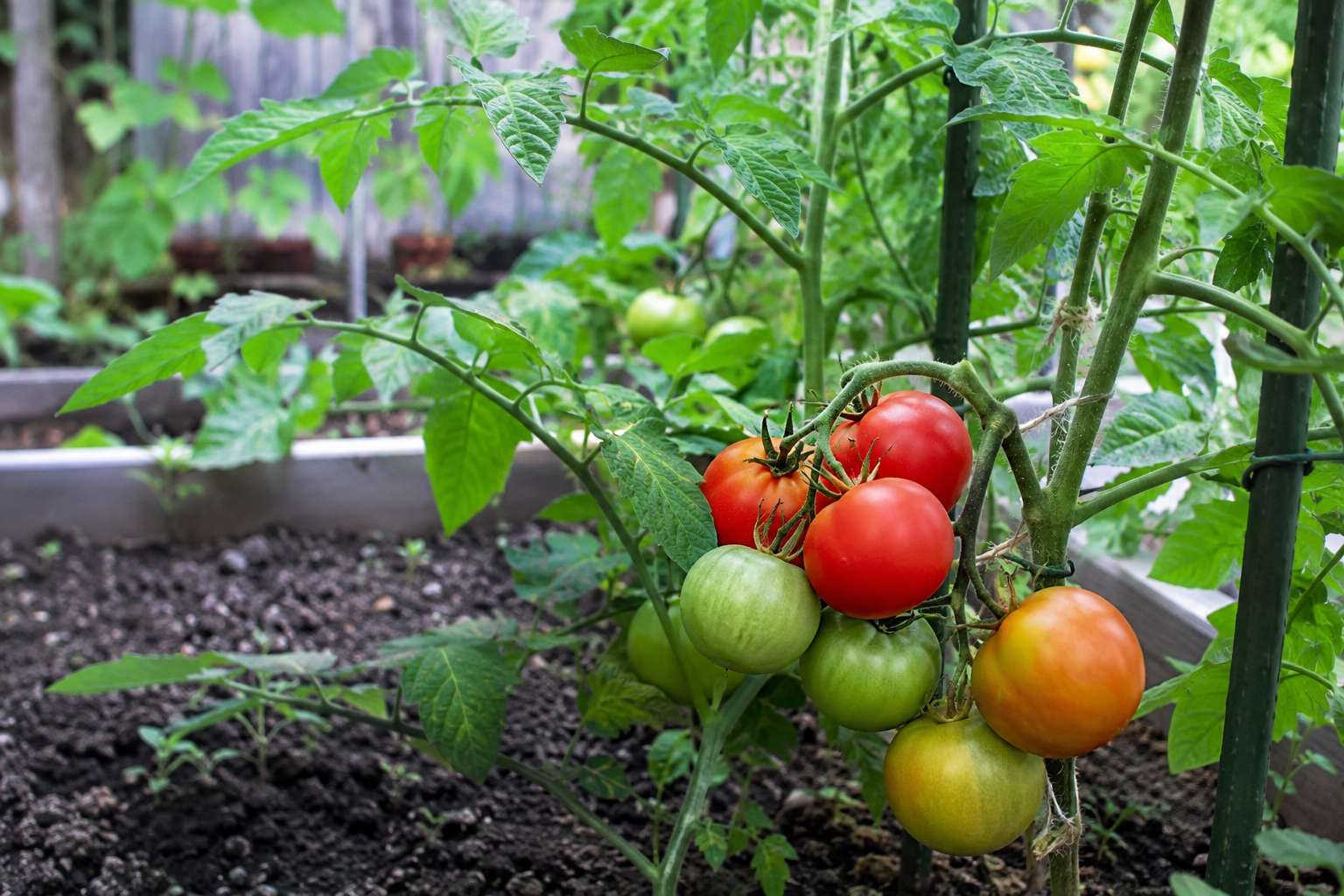
Planting tomatoes correctly can help them develop a stronger root system. Tomato plants can often be planted deeper than many other garden plants because they can develop roots along parts of their buried stem.
Remove lower leaves if necessary and place the plant into a suitable planting hole. Make sure the upper healthy leaves remain above the soil. After planting, water the plant thoroughly to help settle the soil around the roots.
Give each tomato plant enough space for air movement and growth. Crowded plants can compete for sunlight and nutrients and may have more problems with moisture staying on their leaves.
Water Tomato Plants Consistently
Watering is one of the most important tomato gardening tips for beginners. Tomato plants need consistent moisture, especially when they are flowering and producing fruit.
Instead of giving plants small amounts of water frequently, aim to water deeply when the soil begins to dry. The exact amount of water depends on temperature, soil type, plant size, and rainfall.
Water the soil around the base of the plant rather than spraying the leaves whenever possible. Wet foliage can create conditions that encourage certain plant diseases.
Try to maintain consistent soil moisture. Large changes between very dry and very wet soil can cause problems such as cracked tomatoes.
Use Mulch Around Tomato Plants
Adding mulch around tomato plants can make garden care easier. Organic mulch such as straw, dried leaves, or suitable compost can help slow moisture loss from the soil.
Mulch can also reduce weed growth and help keep soil from splashing onto the lower leaves during watering or rainfall. Leave a little space around the main stem instead of piling mulch directly against it.
A good layer of mulch can be especially useful during hot weather when garden soil dries quickly.
Feed Tomatoes With the Right Nutrients
Tomato plants need nutrients throughout their growing season. Compost can provide useful nutrients, but plants may also benefit from a suitable fertilizer when the soil requires additional nutrition.
Avoid giving tomato plants excessive nitrogen. Too much nitrogen can encourage lots of green leaves while reducing fruit production. A balanced fertilizer or fertilizer designed for vegetables can be used according to its instructions.
Once plants begin flowering and producing fruit, proper nutrition becomes especially important. Always follow fertilizer directions and avoid applying more than recommended.
Provide Strong Support
Many tomato plants need support as they grow. Without support, stems can bend or spread across the ground under the weight of leaves and fruit.
Tomato cages, stakes, and trellises are common support options. Install support early rather than waiting until the plant becomes large. Adding support while planting can reduce the risk of damaging established roots later.
Tie plants gently when necessary. Do not use tight materials that can cut into growing stems.
Keeping tomato plants supported can also improve airflow and make harvesting easier.
Protect Tomatoes From Pests
Garden pests can damage tomato leaves, stems, and fruit. Common pests may include aphids, caterpillars, whiteflies, and other insects depending on your location.
Check your plants regularly instead of waiting until serious damage appears. Look underneath leaves and around new growth because some pests can be difficult to notice.
Encouraging beneficial insects can also support natural pest control. Keep the garden clean and remove badly damaged plant material when appropriate.
Avoid using strong pesticides unnecessarily. If pest control becomes necessary, choose an appropriate product and follow its instructions carefully.
Watch for Tomato Plant Diseases
Tomato plants can experience several diseases, particularly when conditions are warm and humid. Good garden hygiene and proper watering practices can help reduce problems.
Give plants enough space for airflow and avoid watering the foliage when possible. Remove unhealthy leaves when appropriate and clean up fallen leaves and fruit around the plants.
Do not grow tomatoes in the same soil year after year if your garden regularly experiences tomato diseases. Rotating crops can help reduce the buildup of certain soil related problems.
Remove Unwanted Growth Carefully
Some gardeners remove certain side shoots from indeterminate tomato plants to improve plant structure. However, pruning is not always necessary for every tomato variety.
If you decide to prune, use clean tools and remove only growth that you understand is unnecessary. Excessive pruning can expose fruit and stems to intense sunlight and may stress the plant.
The main goal should be to maintain a healthy plant with good airflow rather than removing as many leaves as possible.
Harvest Tomatoes at the Right Time
Harvesting tomatoes at the right stage can make a big difference in taste. Many tomatoes can be picked when they begin changing color and allowed to finish ripening indoors if necessary.
For the best flavor, allow tomatoes to ripen naturally on the plant when weather and garden conditions permit. Handle ripe tomatoes gently because they can bruise easily.
Regular harvesting can also encourage plants to continue producing fruit, particularly when growing varieties that produce tomatoes over a long period.
Avoid Common Tomato Growing Mistakes
Beginners often make a few simple mistakes when growing tomatoes. Planting in too much shade, watering inconsistently, overcrowding plants, using poor soil, and failing to provide support can all reduce plant performance.
Another common mistake is planting tomatoes too early when temperatures are still unsuitable. Tomatoes are warm season plants and generally perform best when the weather is consistently warm.
Pay attention to your local growing conditions and give plants time to adjust after transplanting.
Final Thoughts
Growing tomatoes at home does not have to be difficult. With good sunlight, healthy soil, proper watering, regular feeding, strong support, and protection from pests, tomato plants can become productive additions to your garden.
The best gardening tips for growing tomatoes are based on simple and consistent care. Choose a suitable variety, prepare the soil, give plants enough sunlight, maintain steady moisture, and check your plants regularly. With patience and attention, beginners can enjoy fresh, flavorful tomatoes grown right in their own garden.
A successful tomato garden starts with small steps. Learn what your plants need, observe how they respond, and make adjustments throughout the season. Over time, you will gain experience and become more confident in growing tomatoes and other vegetables at home.