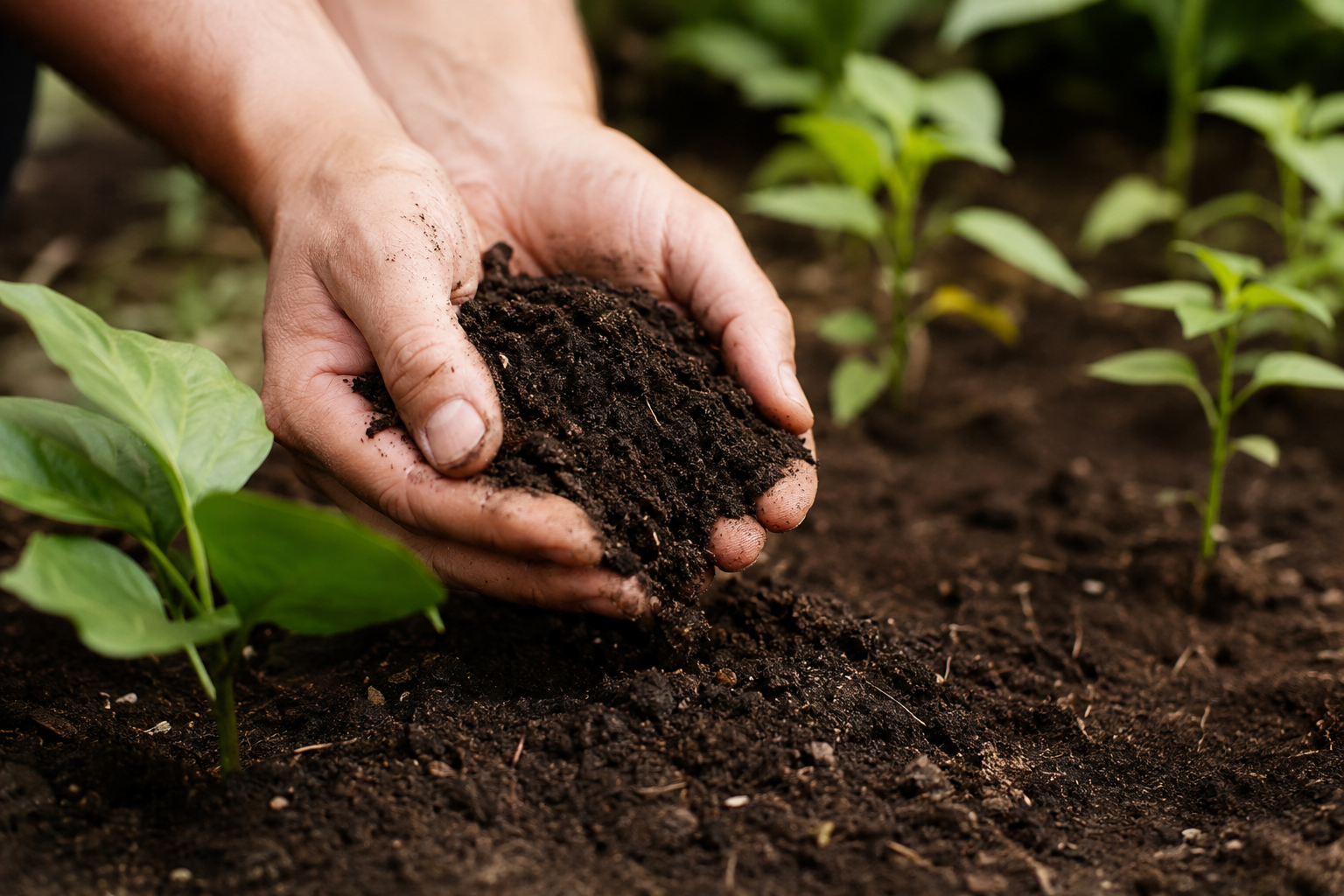
Healthy soil is one of the most important parts of a successful garden. Many gardeners focus on choosing good seeds, watering plants, and providing enough sunlight, but soil quality is just as important. Plants depend on soil for water, nutrients, air, and support. If the soil is poor, plants may grow slowly, develop weak roots, produce fewer flowers, or fail to give a healthy harvest.
The good news is that improving soil quality does not have to be difficult. With a few simple gardening practices, you can make your soil healthier and create better conditions for strong plant growth. Whether you have a small home garden, vegetable garden, flower bed, or containers, healthy soil can make a noticeable difference.
Understand Your Soil First
Before improving your soil, it is helpful to understand what type of soil you already have. Garden soil can be sandy, clay based, silty, or a mixture of different types. Each type has different characteristics.
Sandy soil usually drains water quickly but may not hold enough nutrients. Clay soil can hold nutrients and water well, but it may become hard and compacted. Silty soil can be fertile but may become compact when wet. Loamy soil is generally considered excellent for gardening because it provides a good balance of drainage, moisture retention, nutrients, and air.
You can learn more about your soil by observing how it feels when you work with it. A simple soil test can also help you understand its pH and nutrient levels. Knowing what your soil needs makes it easier to choose the right improvements.
Add Organic Matter to the Soil
One of the best ways to improve soil quality is to add organic matter. Organic matter helps improve soil structure and gives beneficial organisms a better environment to live in.
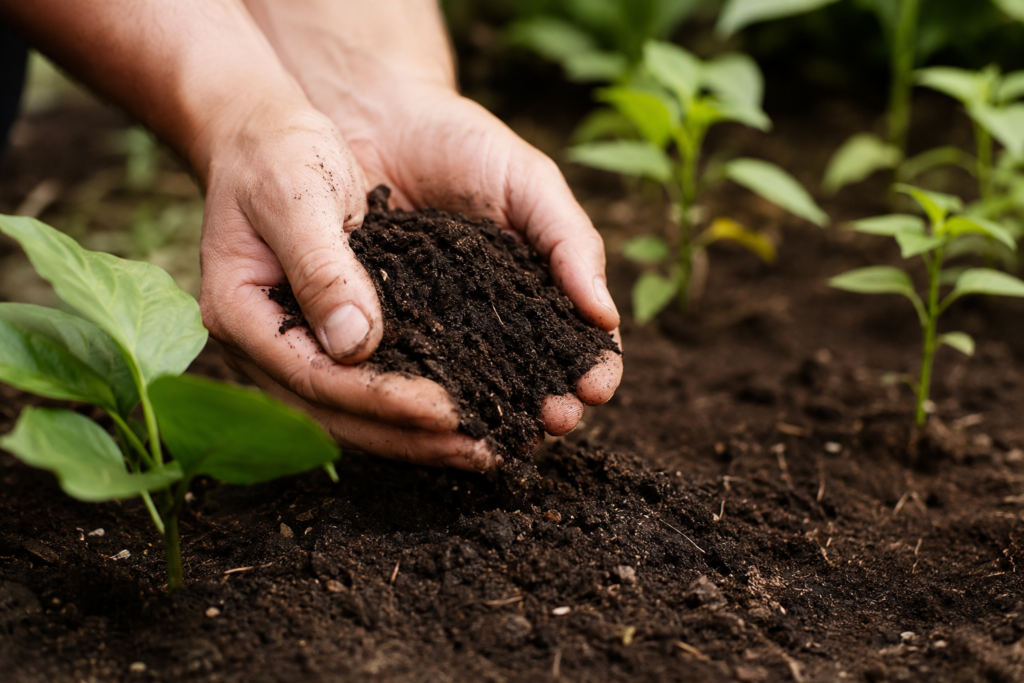
Compost is one of the easiest forms of organic matter to use in a garden. Well prepared compost contains nutrients and helps soil hold moisture while still allowing excess water to drain. You can make compost at home using suitable kitchen scraps, dry leaves, grass clippings, and other organic materials.
Spread a layer of mature compost over the soil and gently mix it into the upper part of the garden bed. Avoid adding large amounts of fresh organic material directly around plant roots because it may affect plant growth.
Use Compost Regularly
Adding compost once can improve your soil, but using it regularly can provide long term benefits. Each growing season, add a fresh layer of compost to your garden beds.
Compost slowly releases nutrients and supports beneficial soil organisms. It can also improve the texture of both sandy and clay soils. Sandy soil can become better at holding moisture, while heavy clay soil can become easier to work with.
For vegetable gardens, compost can be especially helpful because vegetables need a steady supply of nutrients throughout their growing period.
Avoid Overwatering
Water is essential for plant growth, but too much water can damage soil quality. Overwatering can remove nutrients, reduce air spaces in the soil, and create conditions that are not healthy for plant roots.
Instead of watering plants automatically every day, check the soil first. Push your finger into the soil and see whether it feels dry below the surface. If the soil still contains enough moisture, you may not need to water.
Good soil should contain both moisture and air. Healthy roots need oxygen, so allowing soil to drain properly is important for strong plant growth.
Improve Soil Drainage
Poor drainage can cause serious problems for plants. When water remains around the roots for too long, roots may become weak and plants can become more vulnerable to diseases.
If your garden has heavy clay soil, adding organic matter can gradually improve its structure. Raised garden beds can also help in areas where natural drainage is poor.
Avoid walking repeatedly over garden beds because foot traffic can compact the soil. Compact soil has fewer spaces for air and water, making it difficult for roots to spread.
Protect the Soil With Mulch
Mulching is another simple way to improve soil quality. Organic mulch such as dry leaves, straw, grass clippings, or wood based materials can protect the soil surface.
Mulch helps reduce water loss, keeps soil temperatures more stable, and slowly adds organic material as it breaks down. It can also reduce weed growth, which means less competition for water and nutrients.
Apply mulch around plants while keeping a small space around the base of stems. This helps reduce the chance of moisture related problems near the plant stem.
Use Natural Fertilizers Carefully
Plants need nutrients such as nitrogen, phosphorus, and potassium for healthy growth. Natural fertilizers can provide nutrients while supporting a more natural gardening system.
Examples include compost, well aged manure, worm castings, and other organic fertilizers. However, more fertilizer does not always mean better plant growth. Too many nutrients can damage roots and create unhealthy soil conditions.
The best approach is to understand what your plants need and apply fertilizer according to the condition of your soil. A soil test can help identify nutrient deficiencies and prevent unnecessary fertilizer use.
Encourage Beneficial Soil Organisms
Healthy soil is full of living organisms. Earthworms, beneficial bacteria, fungi, and other small organisms help break down organic material and make nutrients more available to plants.
You can encourage beneficial soil life by adding compost, avoiding unnecessary chemical treatments, and keeping the soil covered with organic mulch.
Earthworms are especially useful because they create small channels in the soil as they move. These channels can improve air movement and water infiltration while helping roots grow through the soil.
Avoid Excessive Soil Digging
Turning and digging soil too often can disturb its natural structure. Although some soil preparation may be useful when creating a new garden bed, excessive digging can damage soil organisms and break down natural soil spaces.
A gentle approach is often better for established gardens. Add compost to the surface and allow natural soil organisms, plant roots, and earthworms to help incorporate organic material.
This approach can gradually create healthier soil while reducing unnecessary disturbance.
Grow Cover Crops
Cover crops can be useful for improving garden soil between growing seasons. Plants such as legumes and certain grasses can protect bare soil from erosion and help add organic material when they are incorporated into the garden at the appropriate time.
Some cover crops can also support beneficial soil organisms and improve soil structure. They are especially useful for larger vegetable gardens where sections of soil may otherwise remain empty.
Choose cover crops that are suitable for your climate and growing season.
Rotate Your Crops
Growing the same plant in the same location year after year can contribute to nutrient imbalances and increase the risk of certain soil related pests and diseases.
Crop rotation means changing where different types of plants are grown from one season to another. For example, you can move tomatoes to a different area and grow leafy vegetables or legumes in their previous location.
Crop rotation can help maintain better soil balance and support healthier plants over time.
Check Soil pH
Soil pH affects how easily plants can absorb nutrients. Some plants prefer slightly acidic soil, while others grow better in neutral or slightly alkaline conditions.
A soil testing kit can help you understand the pH of your garden soil. If the pH is outside the preferred range for your plants, you can make gradual adjustments using suitable soil amendments.
Do not change soil pH without knowing the current level. Unnecessary amendments can create new problems instead of solving existing ones.
Use Organic Gardening Practices
Organic gardening practices can help maintain healthy soil for many years. Instead of depending heavily on synthetic fertilizers, focus on compost, organic matter, mulch, crop rotation, and natural soil improvement methods.
Healthy soil should be treated as a living part of the garden rather than simply a place to put plants. When soil organisms have food, moisture, air, and suitable conditions, they can help support plant growth naturally.
Give Soil Time to Improve
Improving soil quality is not always an overnight process. Severely compacted or depleted soil may need several months or growing seasons to become healthy again.
Be consistent with adding organic matter, protecting the soil surface, watering correctly, and avoiding unnecessary disturbance. Over time, you may notice that the soil becomes darker, softer, easier to work with, and better at holding the right amount of moisture.
Plants growing in improved soil often develop stronger roots and healthier leaves, flowers, fruits, and vegetables.
Final Thoughts
Improving soil quality is one of the best investments you can make in your garden. Healthy soil provides plants with the support, moisture, air, and nutrients they need for strong growth. Simple practices such as adding compost, using organic mulch, improving drainage, protecting soil from compaction, encouraging beneficial organisms, and rotating crops can make a major difference.
Good soil does not need to be perfect from the beginning. With regular care and attention, almost any garden soil can become healthier over time. By focusing on soil health first, you create a strong foundation for better plant growth and a more productive garden.
When you take care of the soil, the soil takes care of your plants. A healthy garden begins beneath the surface, so give your soil the attention it deserves and enjoy stronger, greener, and more productive plants throughout the growing season.
