Choosing the right plants for your garden is one of the most important steps for creating a healthy and beautiful outdoor space. Many beginners buy plants because they look attractive in a nursery or garden center, but later discover that the plants do not grow well in their garden. The reason is often simple. Every plant has different needs for sunlight, water, soil, space, temperature, and care.
If you understand these basic needs before buying plants, you can create a garden that stays healthy and colorful throughout the growing season. Whether you have a large backyard, a small garden, or a few containers on a balcony, learning how to choose the right plants can make gardening much easier.
Understand Your Garden Conditions
The first step in choosing garden plants is to understand the conditions of your garden. Walk around your garden and notice how much sunlight different areas receive during the day. Some places may receive full sunlight for many hours, while others may stay partly shaded.
Most plants have specific sunlight requirements. Plants that need full sun usually grow best when they receive around six or more hours of direct sunlight. Other plants prefer partial shade and can struggle when exposed to strong sunlight all day.
Before buying plants, observe your garden at different times. This will help you match plants with the right locations. Choosing plants based on your garden conditions is much better than trying to change the garden to suit every plant.
Check Your Soil Type
Healthy soil is essential for strong plant growth. Different plants prefer different types of soil, so it is useful to understand what kind of soil you have.
Some gardens have sandy soil that drains water quickly. Other gardens may have clay soil that holds a lot of moisture. Some areas have rich, dark soil that is naturally suitable for growing many types of plants.
You can improve your soil by adding organic matter such as compost. Compost can help improve soil structure and provide nutrients for plants. However, it is still important to choose plants that naturally perform well in your soil conditions.
A simple soil test can also provide useful information about soil pH and nutrients. This can help you make better decisions when selecting plants for your garden.
Consider Your Local Climate
Climate plays a major role in plant growth. Before choosing plants, learn about the temperature and weather conditions in your area. Some plants can handle hot weather, while others prefer cooler conditions.
Think about summer temperatures, winter temperatures, rainfall, humidity, and seasonal changes. Plants that are suitable for your local climate usually need less protection and are easier to maintain.
Native plants are often a good choice because they have adapted to the natural conditions of the region. They can also provide food and shelter for local birds, bees, butterflies, and other helpful wildlife.
Choose Plants Based on Available Space
One common gardening mistake is choosing plants without considering their mature size. A small plant at a garden center can become much larger after a few years.
Before buying a plant, check how tall and wide it can become. Make sure there is enough room for the plant to grow naturally without blocking pathways or overcrowding nearby plants.
Small gardens often work well with compact plants, herbs, vegetables, and container friendly varieties. Larger gardens give you more freedom to grow shrubs, fruit trees, flowering plants, and larger vegetables.
Planning space carefully can also improve air circulation and reduce problems caused by overcrowding.
Think About How Much Time You Have
Your available time should also influence your plant choices. Some plants require regular watering, pruning, feeding, and pest control. Others are much easier to maintain.
If you have a busy schedule, look for low maintenance plants that can handle the conditions in your garden. Hardy plants can be a great choice for beginners because they are generally more forgiving when small mistakes happen.
If you enjoy spending time in the garden, you may be happy to grow plants that require more attention. The best garden is not necessarily the one with the most plants. It is the one you can comfortably care for.
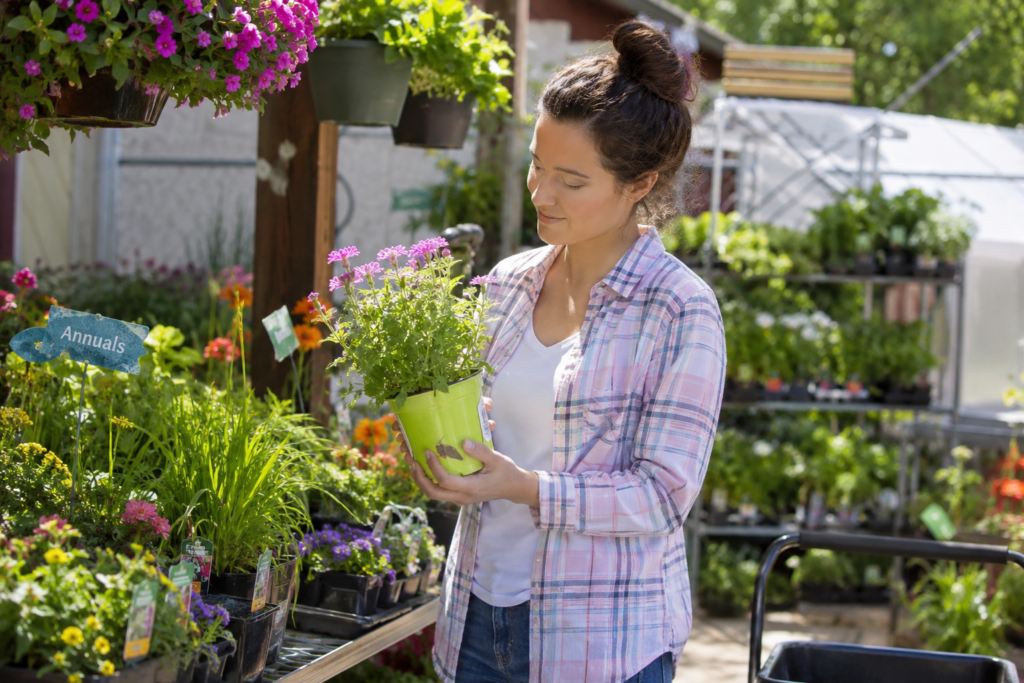
Select Plants According to Your Gardening Goals
Think about what you want your garden to provide. Do you want colorful flowers, fresh vegetables, herbs, fruit, privacy, shade, or a relaxing place to sit?
Your goals will help you decide which plants to grow.
For a vegetable garden, choose crops that are suitable for your climate and available space. If you want a flower garden, consider plants that bloom during different seasons so your garden can remain attractive for longer.
If privacy is your main goal, shrubs or suitable climbing plants may be useful. For a wildlife friendly garden, choose flowers that attract bees and butterflies.
Having a clear purpose makes plant selection easier and helps you avoid buying plants that do not fit your needs.
Choose Healthy Plants
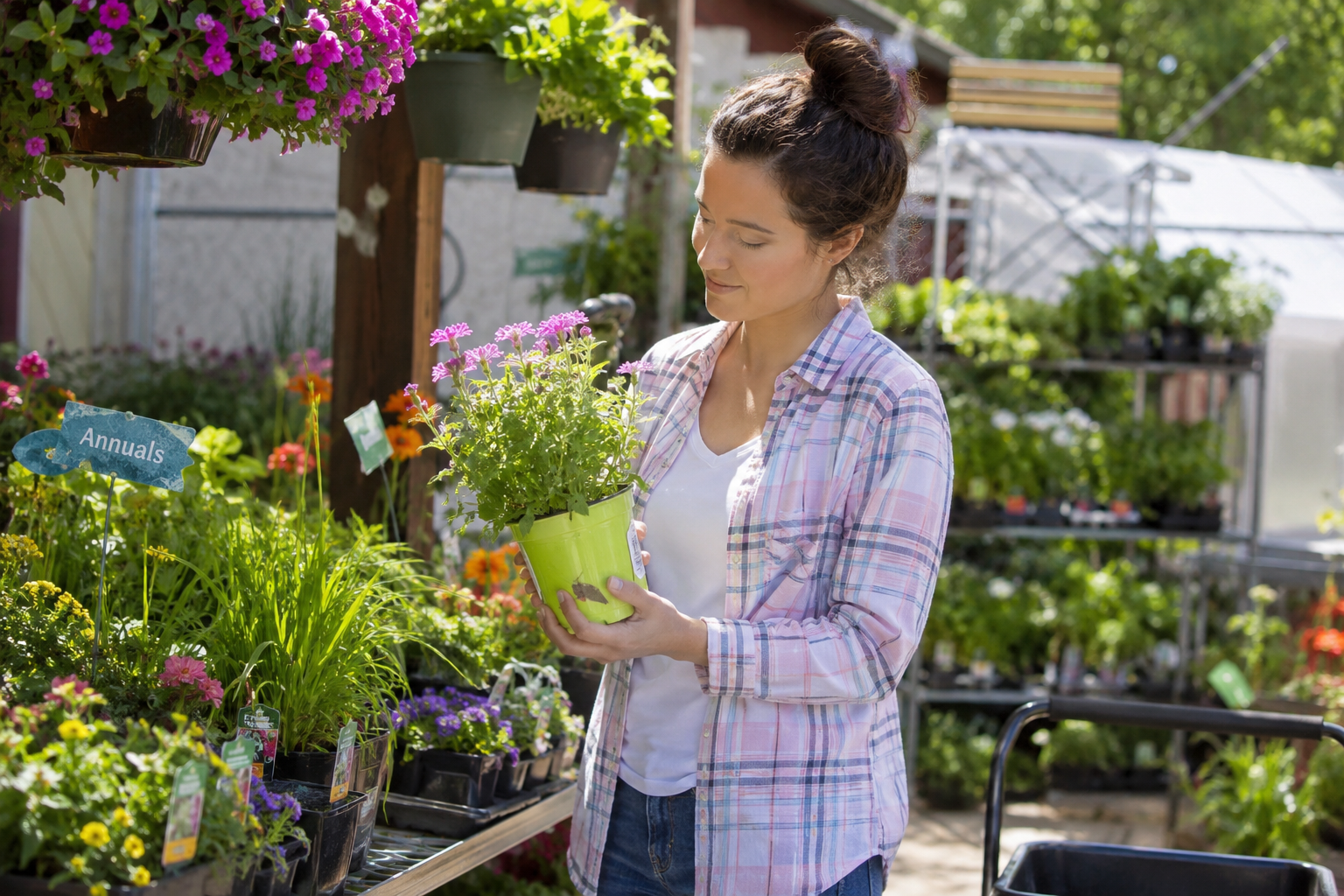
When buying plants, always inspect them carefully. A healthy plant should have strong stems, fresh leaves, and good overall growth.
Avoid plants with yellowing leaves, damaged stems, visible insects, mold, or signs of serious disease. Also check the underside of leaves because pests can sometimes hide there.
Look at the roots if they are visible. Healthy roots should appear firm and well developed. Avoid plants with badly tangled or unhealthy looking roots when possible.
Choosing healthy plants gives your garden a stronger start and reduces the chance of bringing pests or diseases into your growing space.
Consider Water Requirements
Water needs are another important factor when choosing plants. Some plants need regular moisture, while others can survive with less water once established.
Try to group plants with similar watering needs together. This makes garden care easier and helps prevent overwatering or underwatering.
If your area experiences hot and dry weather, consider plants that can tolerate these conditions. Using mulch around plants can also help the soil retain moisture and reduce water loss.
Remember that new plants usually need more attention while their roots become established. Once they are established, many suitable plants become easier to manage.
Think About Seasonal Growth
A beautiful garden can change throughout the year. When selecting plants, consider when they bloom, produce fruit, or become most attractive.
Some plants provide flowers in spring, while others bloom during summer or autumn. Evergreen plants can provide greenery during seasons when other plants lose their leaves.
You can create a more interesting garden by selecting plants with different growth periods. This approach can give your outdoor space color, texture, and variety throughout the year.
Mix Different Types of Plants
A garden does not have to contain only one type of plant. Combining flowers, herbs, vegetables, shrubs, and other suitable plants can create a more natural and interesting space.
Different plant heights can also add depth. Taller plants can be placed toward the back, while shorter plants can grow near the front.
However, avoid planting too many varieties in a small area. A simple combination of well chosen plants can often look better and be easier to maintain than a crowded garden.
Consider Pest and Disease Resistance
Some plants are naturally more resistant to common pests and diseases. Choosing these varieties can reduce gardening problems and make plant care easier.
Good spacing, healthy soil, proper watering, and regular observation can also help keep plants healthy. If you notice damaged leaves or unusual growth, investigate the problem early.
Healthy plants are usually better able to handle environmental stress and minor pest problems.
Start Small and Learn
If you are new to gardening, you do not need to fill your entire garden immediately. Start with a small selection of plants that match your conditions and interests.
Growing a few plants successfully can teach you valuable lessons about watering, sunlight, soil, feeding, pruning, and seasonal changes. As your experience grows, you can gradually add more plants.
Keeping simple notes about your plants can also help. Write down what you planted, where you planted it, how often you watered it, and how well it grew. This information can make future plant selection much easier.
Final Thoughts
Learning how to choose the right plants for your garden can save time, money, and effort. The best plants are not always the most colorful or popular ones. They are the plants that fit your soil, sunlight, climate, available space, watering routine, and gardening goals.
Before purchasing a plant, take a moment to understand what it needs and compare those needs with your garden conditions. Choose healthy plants, provide enough space, and avoid overcrowding. Most importantly, start with plants that are suitable for your experience level.
With careful planning and a little patience, you can build a healthy home garden that is enjoyable to care for and beautiful to look at. Choosing the right garden plants from the beginning gives you a strong foundation for successful gardening and helps your plants grow naturally for years to come.