Gardening is a simple and enjoyable activity that can make your home look beautiful while giving you fresh flowers, herbs, fruits, and vegetables. Many people want to start gardening but feel confused about where to begin. The good news is that you do not need to be an expert gardener to grow healthy plants. With a few basic gardening tips, the right plants, and regular care, anyone can create a successful garden.
For beginners, gardening is mostly about learning what plants need and giving them the right care at the right time. In this article, you will learn essential gardening tips that can help you start your garden with confidence and avoid common mistakes.
Choose the Right Location for Your Garden
One of the first gardening tips every beginner should know is to choose a suitable location. Plants need sunlight, fresh air, water, and good soil to grow properly. Before planting anything, observe your garden and see how much sunlight different areas receive during the day.
Most vegetables and flowering plants need several hours of sunlight every day. Tomatoes, peppers, cucumbers, and many herbs usually grow well in sunny locations. Some plants, however, prefer partial shade.
Choosing the right location can make a big difference in plant growth. If your garden receives limited sunlight, select plants that can tolerate shade instead of trying to grow plants that require full sunlight.
Start With Easy Plants
Beginners should not try to grow difficult plants immediately. Starting with easy plants can make gardening more enjoyable and help you build confidence.
Some beginner friendly plants include mint, basil, lettuce, radishes, marigolds, sunflowers, and green beans. These plants are generally easier to care for and can provide visible results in a reasonable amount of time.
Choose plants according to your local climate and growing season. A plant that grows well in one region may struggle in another. Always check the basic growing requirements before buying seeds or seedlings.
Learn About Your Soil
Healthy soil is one of the most important parts of successful gardening. Plants receive water and nutrients through their roots, so poor soil can lead to weak growth.
Good garden soil should have enough organic matter and should drain excess water properly. If the soil is too hard, sandy, or compacted, plants may not grow well.
You can improve soil by adding compost or other suitable organic material. Compost can help improve soil structure and provide nutrients for plants. Before adding large amounts of fertilizer, learn what your plants actually need.
Water Plants Correctly
Watering is another important gardening tip for beginners. Many new gardeners either water their plants too much or do not provide enough water.
Plants need consistent moisture, but they also need oxygen around their roots. Waterlogged soil can damage roots and create problems such as root rot.
Instead of watering according to a strict routine, check the soil first. Put your finger into the top layer of soil. If it feels dry, the plant may need water. If the soil is still moist, you may be able to wait.
Water the soil around the roots instead of constantly spraying the leaves. Early morning is often a good time to water because less water is lost through evaporation.
Give Plants Enough Sunlight
Sunlight is essential for photosynthesis, which allows plants to produce energy for growth. Different plants have different sunlight requirements, so beginners should always check the needs of each plant.
Vegetable plants such as tomatoes and peppers usually need plenty of sunlight. Some leafy greens can tolerate less direct sunlight.
If a plant becomes weak, pale, or unusually tall, it may not be receiving enough light. Understanding sunlight requirements before planting can save you time and effort.
Give Plants Enough Space
Plant spacing is often ignored by beginners, but it can strongly affect garden health. Plants that are placed too close together may compete for sunlight, water, nutrients, and air.
Crowded plants can also have more problems with pests and diseases because air cannot move freely between them.
Always check the recommended spacing on seed packets or plant labels. Giving plants enough room allows roots and leaves to develop properly.
Use Compost and Natural Organic Matter
Adding compost is one of the most useful gardening tips for improving soil naturally. Compost contains organic matter that can support healthy soil structure.
You can make compost from suitable kitchen and garden materials such as vegetable scraps, dry leaves, and grass clippings. Proper composting takes time, but it can provide valuable material for your garden.
Adding a layer of compost around plants can also help maintain soil moisture and improve the condition of the soil over time.
Protect Your Garden From Pests
Garden pests can damage leaves, stems, roots, flowers, and fruits. Beginners should regularly inspect their plants for signs of insects or other problems.
Look under leaves and around stems because some pests can be difficult to notice. Holes in leaves, curled leaves, sticky surfaces, and damaged young shoots can sometimes indicate pest activity.
Try to identify the problem before using any treatment. Encouraging beneficial insects, keeping the garden clean, and removing badly affected plant parts can help reduce pest problems.
Remove Weeds Regularly
Weeds compete with garden plants for sunlight, water, nutrients, and space. If weeds are allowed to grow for a long time, they can become difficult to remove.
Check your garden regularly and remove small weeds before they become large. Pull them carefully so you remove as much of the root as possible.
Adding a suitable layer of mulch can also help reduce weed growth while helping the soil retain moisture.
Use Mulch Around Plants
Mulching is a simple gardening practice that can benefit many plants. Organic mulch can help keep soil moisture stable, reduce weed growth, and protect the soil from extreme temperature changes.
Dry leaves, straw, grass clippings, and other suitable organic materials can sometimes be used as mulch.
Do not place a thick layer of mulch directly against plant stems. Leave some space around the base of the plant to improve airflow and reduce the chance of moisture related problems.
Prune Plants When Necessary
Pruning means removing unwanted, damaged, or unhealthy parts of a plant. It can help some plants maintain a better shape and encourage healthy growth.
However, beginners should avoid cutting plants without knowing why they are pruning. Different plants have different pruning requirements.
Remove dead or damaged growth when appropriate, and use clean gardening tools. Learn about the specific plant before performing major pruning.
Pay Attention to Plant Problems
Plants often show signs when something is wrong. Yellow leaves, brown edges, wilting, slow growth, holes, and spots can all provide clues.
Do not immediately assume that every problem requires fertilizer. Yellow leaves can result from several causes, including watering problems, poor drainage, nutrient issues, or insufficient light.
Take time to observe the plant, soil, sunlight, and watering habits. Finding the actual cause is more useful than treating the symptom.
Keep Gardening Tools Clean
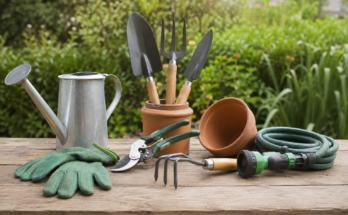
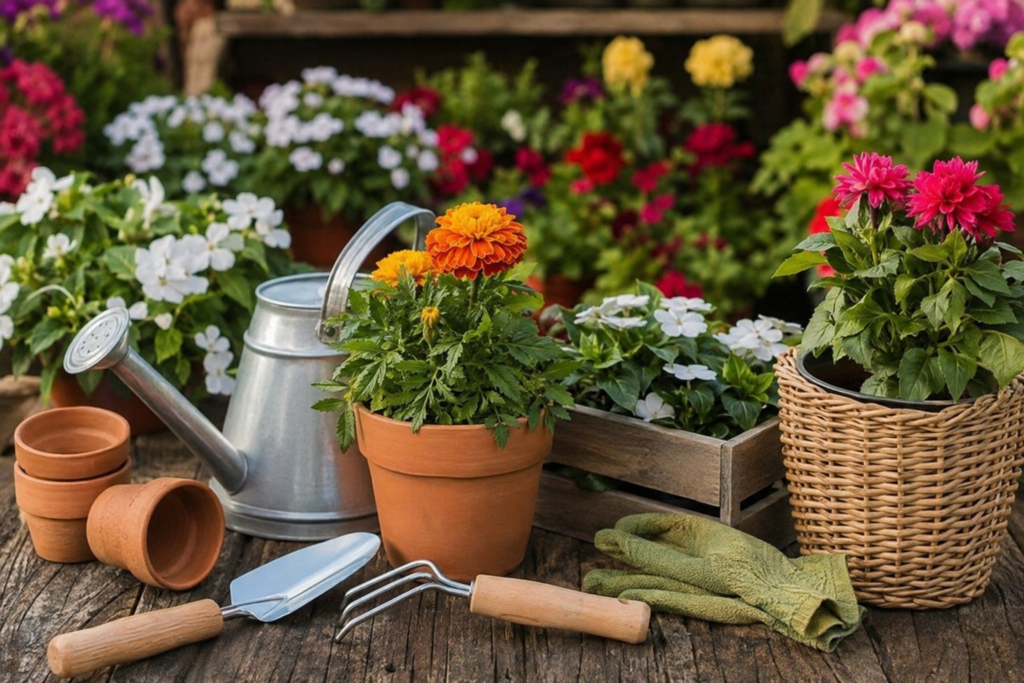
Clean gardening tools can make garden work easier and may help reduce the spread of plant diseases. Basic tools such as hand trowels, pruning scissors, gloves, watering cans, and garden forks are useful for beginners.
Clean soil and plant material from your tools after use. Keep sharp tools safely stored and make sure they remain in good condition.
You do not need a large collection of expensive equipment. Start with a few basic tools and add more as your gardening experience grows.
Keep a Simple Gardening Routine
Successful gardening does not always require hours of work every day. A simple routine can make plant care easier.
Spend a few minutes checking your garden regularly. Look at the leaves, soil, stems, and overall plant condition. Remove weeds, check for pests, and water when necessary.
Regular observation helps you notice problems early. Small issues are often easier to manage than serious problems that have been ignored for weeks.
Be Patient With Your Plants
One of the most important gardening tips for beginners is to be patient. Plants need time to grow, and not every seed will germinate perfectly.
Weather, soil, sunlight, watering, and plant variety can all affect growth. Sometimes a plant may grow slowly even when you are doing everything correctly.
Gardening is a learning process. If something does not work, try to understand what happened and use that experience in your next planting.
Learn From Every Gardening Season
Every garden teaches you something. Keep notes about the plants you grow, planting dates, weather conditions, watering habits, and harvest results.
These notes can help you understand what works best in your garden. Over time, you will learn which plants perform well, which areas receive the best sunlight, and which gardening methods give better results.
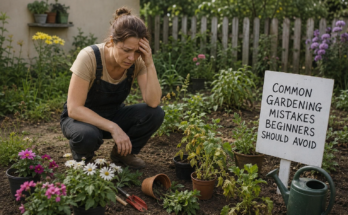
Do not be afraid of small mistakes. Even experienced gardeners lose plants sometimes. The important thing is to learn and improve.
Final Thoughts
Starting a garden does not have to be difficult. By following basic gardening tips, beginners can create a healthy and productive garden without feeling overwhelmed. Choose the right location, start with easy plants, improve your soil, water carefully, provide enough sunlight, control weeds, protect plants from pests, and give your garden regular attention.
The most important thing is to enjoy the process. Gardening takes patience, but watching a small seed become a healthy plant can be incredibly rewarding. With time and practice, your gardening skills will improve naturally, and you will become more confident in caring for your plants.
Whether you have a large backyard, a small outdoor space, or a few containers, these essential gardening tips can help you create a greener and more beautiful home. Start small, learn as you go, and enjoy every stage of your gardening journey.