Water is one of the most important resources for a healthy garden, but using too much water can increase your bills and waste a valuable natural resource. Many gardeners water their plants more often than necessary because they are unsure about how much water plants actually need. The good news is that you can maintain a beautiful and healthy garden while using much less water.
Water saving gardening is not difficult. With the right watering methods, healthy soil, suitable plants, mulch, and a little planning, you can reduce water waste and help your garden grow naturally. Whether you have a large backyard garden or a few plants in containers, these simple gardening tips can help you save water while gardening.
Understand How Much Water Your Plants Need
The first step to saving water in the garden is understanding the water needs of different plants. Not every plant needs the same amount of water. Some plants prefer moist soil, while others can survive with very little water.
Before watering, check the soil with your finger. Push your finger about two inches into the soil. If the soil feels moist, your plants may not need water yet. If it feels dry, it may be time to water.
Overwatering can be just as harmful as underwatering. Too much water can cause root problems, fungal diseases, and weak plant growth. Learning the watering needs of your plants can help you use only the amount of water they actually require.
Water Plants Early in the Morning
One of the easiest ways to save water while gardening is to water your plants early in the morning. Morning temperatures are usually cooler, and the sun is not as strong as it becomes later in the day.
When you water early, plants have enough time to absorb moisture before the heat increases. Less water is lost through evaporation compared with watering during the hottest part of the day.
If morning watering is not possible, evening can also be a good option. However, avoid keeping plant leaves wet overnight when possible because wet leaves can encourage certain fungal problems.
Water the Soil Instead of the Leaves
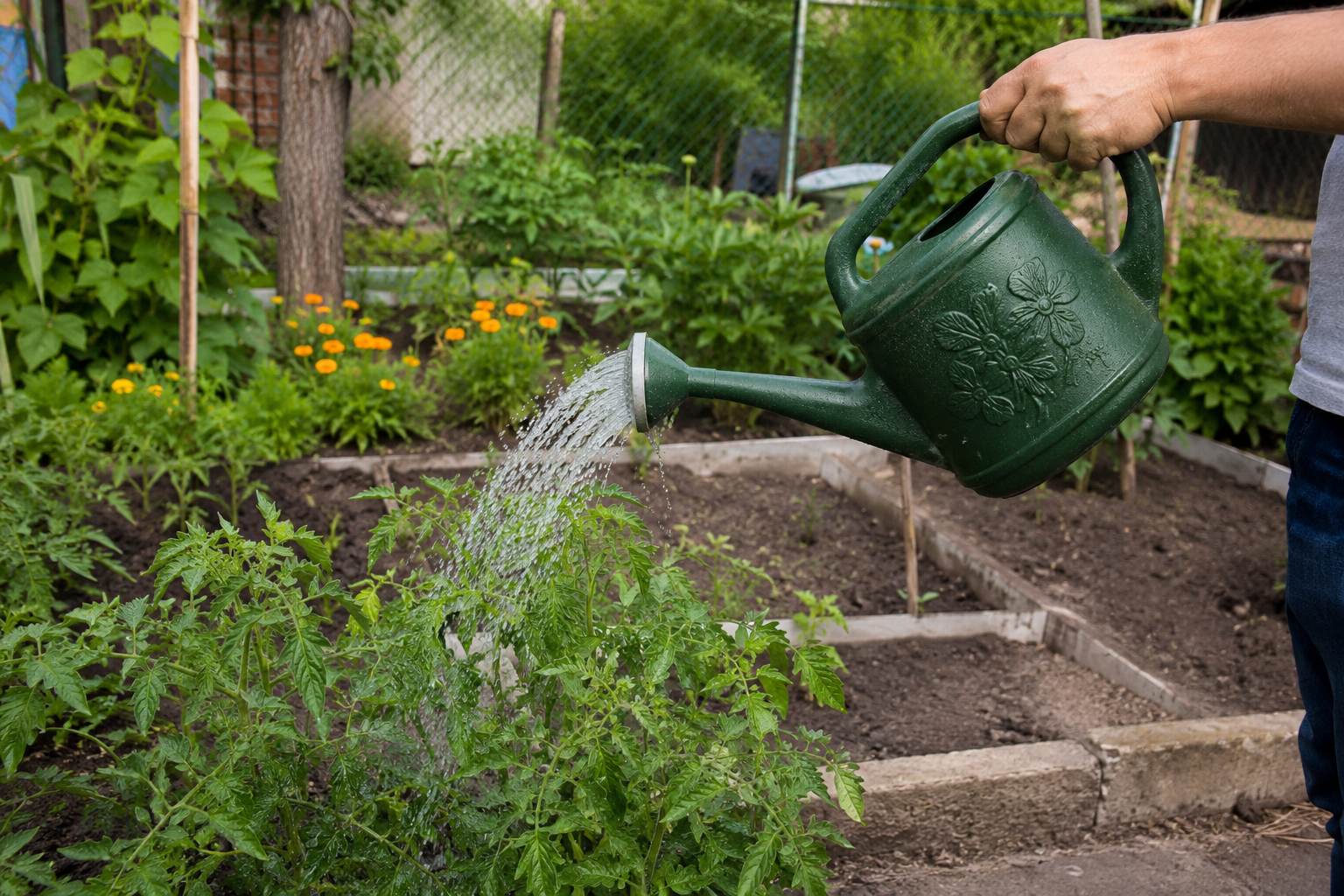
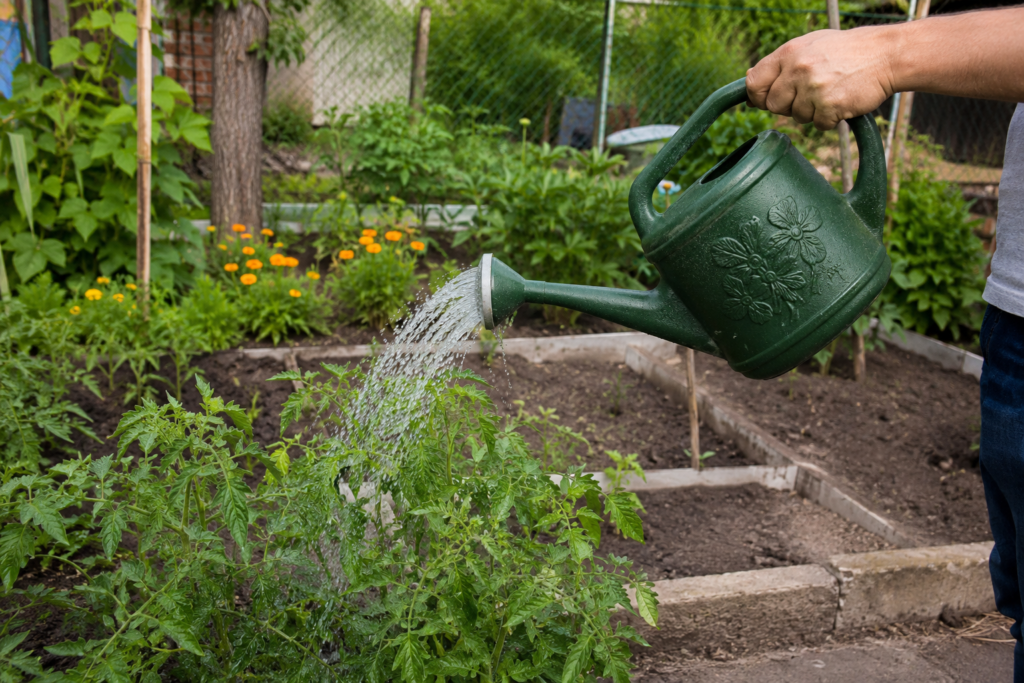
When watering your garden, focus the water around the roots instead of spraying the entire plant. Plant roots absorb water from the soil, so watering the root area is much more effective.
A hose with a gentle flow or a watering can can help direct water where it is needed. Avoid using a strong spray because it can disturb the soil and cause water to run away from the plants.
Deep watering around the root zone is often better than lightly watering the surface every day. It encourages roots to grow deeper into the soil, which can help plants become more resistant to dry conditions.
Use Mulch to Keep Soil Moist
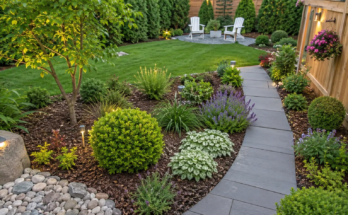
Mulching is one of the best water saving gardening techniques. A layer of organic mulch can cover the soil and reduce moisture loss caused by evaporation.
You can use materials such as dry leaves, grass clippings, compost, straw, or wood chips as mulch. Spread a suitable layer around plants while leaving some space around plant stems.
Mulch also helps control weeds. Weeds compete with garden plants for water, sunlight, and nutrients. By reducing weed growth, mulch can help more water remain available for the plants you actually want to grow.
Improve Your Garden Soil
Healthy soil can hold water more effectively. Poor soil may allow water to drain too quickly or become hard and compacted, making it difficult for roots to absorb moisture.
Adding compost and other organic matter can improve soil structure. Organic matter helps sandy soil hold more moisture while improving drainage in heavy soil.
Before planting, spend some time improving your garden soil. Healthy soil supports strong roots and can reduce the need for frequent watering.
Choose Drought Tolerant Plants
Another effective way to save water in the garden is to choose plants that naturally require less water. Drought tolerant plants are adapted to dry conditions and can often grow well with limited watering once they are established.
When selecting plants, consider the climate and growing conditions in your area. Native plants can be especially useful because they are often adapted to local weather and soil conditions.
Choosing suitable plants can make gardening easier and reduce your overall water consumption. Instead of trying to grow plants that require constant moisture, select varieties that can handle the conditions naturally.
Use Drip Irrigation
Drip irrigation is a useful method for reducing water waste. It delivers water slowly and directly to the soil near plant roots.
Unlike traditional sprinklers, drip systems do not spray water over large areas where much of it can evaporate. They can provide moisture exactly where plants need it.
Drip irrigation is particularly useful for vegetable gardens, flower beds, raised beds, and rows of plants. Once properly installed, the system can make watering more efficient and convenient.
Collect Rainwater
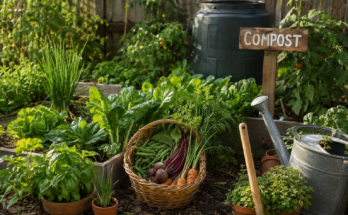
Rainwater can be a valuable source of free water for your garden. A rain barrel or suitable collection container can store rainwater from your roof or other surfaces.
Collected rainwater can later be used for watering garden plants. This can reduce your dependence on tap water, especially during rainy periods when plenty of water is available.
Make sure rainwater collection systems are kept clean and safely covered. Use collected water responsibly and follow any local rules that may apply to rainwater harvesting.
Group Plants With Similar Water Needs
Organizing your garden carefully can also help you save water. Place plants with similar water requirements together. For example, plants that need regular moisture can grow in one area, while drought tolerant plants can be placed somewhere else.
This makes watering easier because you do not have to give the same amount of water to every plant. It also reduces the risk of overwatering plants that need less moisture.
Planning your garden according to water needs can make your entire watering routine more efficient.
Keep Weeds Under Control
Weeds can use a surprising amount of water. They compete with your plants for moisture and nutrients, especially during hot and dry weather.
Regularly remove weeds before they become large and well established. Mulching can also help prevent many weeds from growing.
By keeping the garden free from unnecessary plants, more of the available water can reach your vegetables, flowers, herbs, and other desired plants.
Avoid Watering During Windy Weather
Strong wind can increase evaporation and cause water to move away from the area you are trying to water. If possible, avoid using sprinklers during very windy conditions.
Watering when the weather is calm allows more moisture to reach the soil. This simple change can reduce water waste without requiring expensive equipment.
Maintain Your Watering Equipment
Leaks in hoses, pipes, faucets, and irrigation systems can waste a large amount of water over time. Check your gardening equipment regularly for damaged connections, cracks, or dripping areas.
Repair leaks as soon as possible. If you use an irrigation system, inspect it regularly to make sure water is reaching the intended areas.
Good equipment maintenance is a simple but important part of water conservation in the garden.
Use Containers Carefully
Container plants can dry out faster than plants growing directly in the ground. However, you can still save water when gardening in containers.
Choose containers with suitable drainage holes and use quality potting soil that can hold moisture without becoming waterlogged. Adding mulch to the surface of larger containers can also slow evaporation.
Avoid placing small containers in extremely hot locations where they dry out quickly. Grouping containers together can sometimes help create a more stable growing environment.
Reuse Suitable Household Water
Some household water can be reused for gardening if it is clean and suitable for plants. For example, water left from rinsing vegetables may be used on outdoor plants.
Avoid using water that contains strong cleaning chemicals, salt, or substances that could damage plants and soil. Always consider the quality of the water before adding it to your garden.
Monitor Your Garden Regularly
Regular observation can prevent unnecessary watering. Look at your plants and soil instead of following a fixed watering schedule every day.
Wilting leaves, dry soil, and hot weather can indicate that plants need more water. However, some plants naturally droop during heat and recover later, so checking the soil is often more reliable than judging the leaves alone.
A little attention each day can help you understand your garden better and prevent both overwatering and underwatering.
Conclusion
Learning how to save water while gardening is a simple way to create a healthier garden and protect an important natural resource. You can reduce water waste by watering early, focusing on plant roots, using mulch, improving soil, choosing drought tolerant plants, collecting rainwater, and using efficient irrigation methods.
Water saving gardening does not mean giving your plants less care. It means using water more wisely. When you understand the needs of your plants and make smart choices about soil, watering, and garden design, you can enjoy strong and beautiful plants while using less water.
Start with a few simple changes and gradually improve your gardening routine. Even small efforts can make a meaningful difference. With consistent care and smart water management, your garden can remain green, productive, and healthy while using water responsibly.