Gardening is one of the best ways to bring nature closer to your home. A healthy garden can provide fresh vegetables, beautiful flowers, clean air, and a peaceful place to relax. However, the way we care for plants can have a big effect on the environment. Using too many chemicals, wasting water, and disturbing the natural balance of soil can make gardening less sustainable.
Natural gardening is a simple approach that focuses on working with nature instead of against it. It means using natural methods to improve soil, protect plants, save water, and encourage helpful insects. You do not need expensive products or complicated techniques to create a healthy and sustainable garden. With a few simple changes, anyone can make a garden healthier and more environmentally friendly.
Choose Healthy Plants for Your Garden
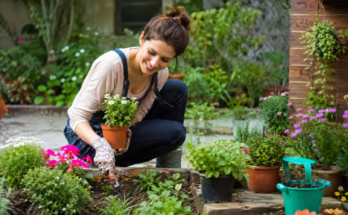
One of the most important natural gardening tips is to choose plants that can grow well in your local environment. Every plant has different needs for sunlight, water, soil, and temperature. Choosing plants that naturally suit your climate can make garden care much easier.
Native plants are often a great choice because they are already adapted to local weather and soil conditions. They usually need less water and can provide food and shelter for local birds and beneficial insects.
When buying plants, look for strong plants with healthy leaves and roots. Avoid plants that appear weak, damaged, or affected by pests. Healthy plants have a better chance of growing successfully after being planted in your garden.
Improve Garden Soil Naturally
Healthy soil is the foundation of a healthy garden. Plants need good soil to develop strong roots and absorb nutrients. Instead of depending heavily on chemical fertilizers, you can improve soil naturally with organic materials.
Compost is one of the best natural soil amendments. It can be made from fruit and vegetable scraps, dry leaves, grass clippings, and other suitable organic materials. Adding mature compost to your garden soil improves its structure and helps it hold moisture.
You can also use natural materials such as aged manure, leaf mold, and grass clippings. These materials add organic matter to the soil and support helpful microorganisms.
Avoid disturbing the soil more than necessary. Excessive digging can damage soil structure and disturb organisms that help keep the soil healthy.
Use Compost Regularly
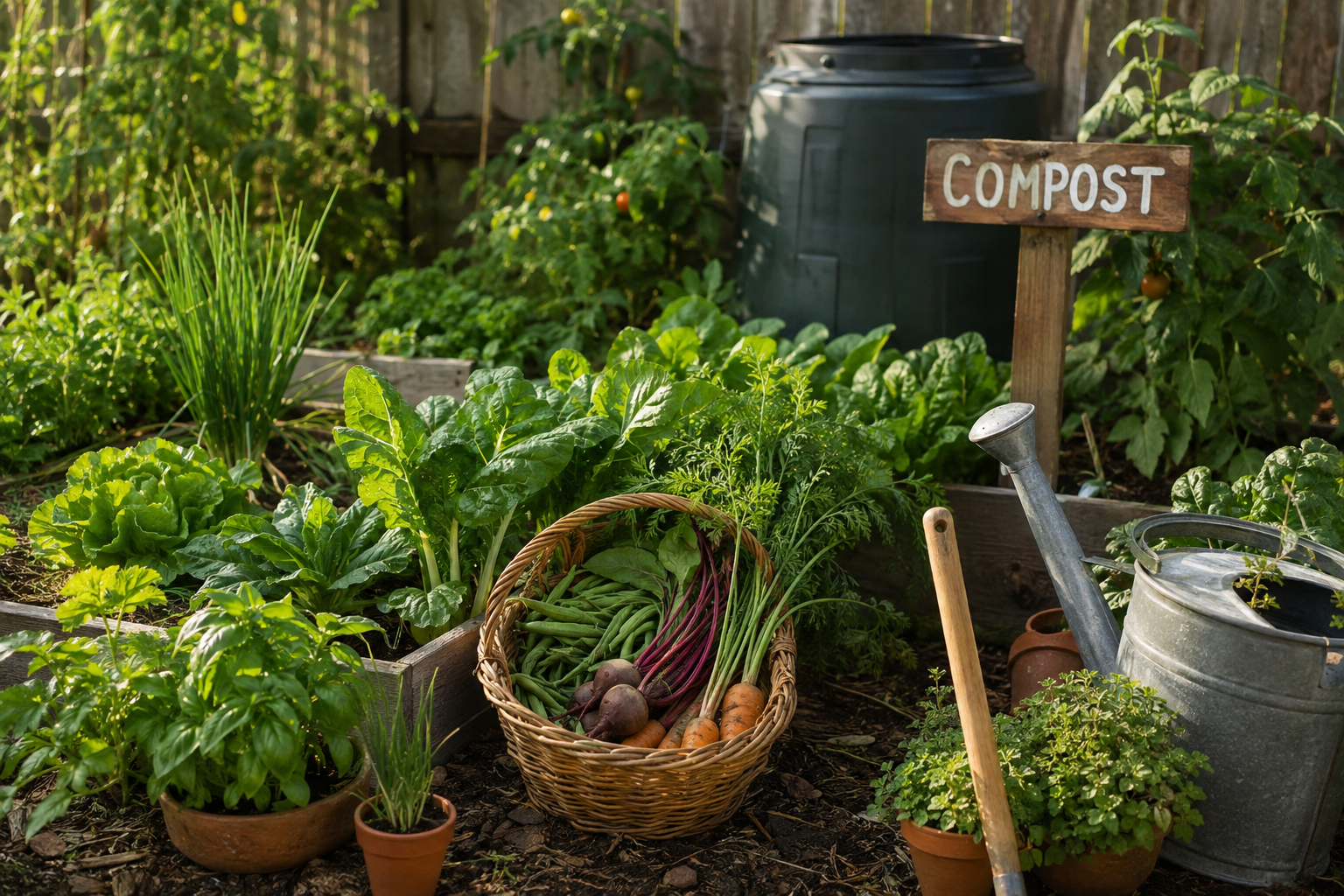
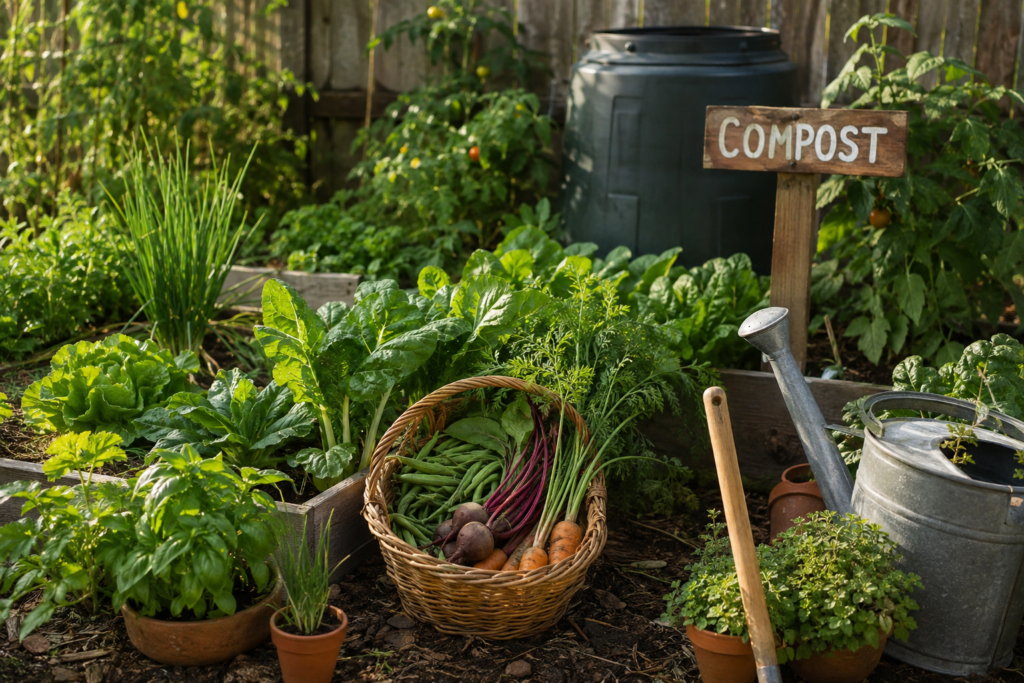
Composting is an excellent habit for sustainable gardening. Instead of sending organic waste to the trash, you can turn it into valuable plant food.
A compost pile can contain materials such as vegetable peels, fruit scraps, coffee grounds, dry leaves, and grass clippings. A good mixture of green and brown materials helps create balanced compost.
Once compost has broken down into a dark and earthy material, it can be added to garden beds. Compost provides nutrients slowly and naturally while improving soil quality.
Using compost also reduces household waste and lowers the need for synthetic fertilizers. This makes it an important part of natural gardening.
Water Plants Wisely
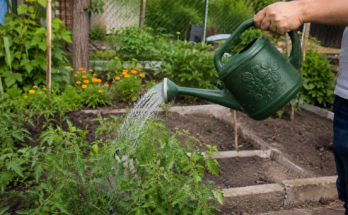
Water conservation is another important part of sustainable gardening. Many gardeners use more water than their plants actually need. Watering at the right time and in the right way can make a major difference.
Water your garden early in the morning when temperatures are cooler. This gives plants time to absorb water before the heat of the day increases evaporation.
Water the soil around the roots instead of spraying the leaves unnecessarily. Deep watering encourages roots to grow deeper, which can help plants become more resistant to dry conditions.
A layer of organic mulch can also reduce water loss from the soil. Check the soil before watering and avoid watering simply because it is part of your routine.
Use Natural Mulch
Mulching is one of the easiest natural gardening methods. Organic mulch can include dry leaves, straw, grass clippings, wood chips, and other natural materials.
Mulch helps keep the soil cool during hot weather and reduces evaporation. It can also slow down weed growth and gradually add organic matter to the soil as it breaks down.
Spread mulch around plants while leaving a small space around the stems. Too much material directly against plant stems can create conditions that encourage problems.
Refreshing your mulch when necessary can help maintain healthy soil throughout the growing season.
Control Garden Pests Naturally
Pests are a common problem in gardens, but strong chemical pesticides are not always necessary. Natural pest control methods can protect plants while supporting beneficial insects.
First, inspect plants regularly. Finding a pest problem early makes it easier to manage. You can remove some insects by hand or wash them from plants with a gentle stream of water.
Encouraging beneficial insects is another useful method. Ladybugs, lacewings, bees, and other helpful insects can support garden health. Planting flowers that provide nectar and pollen can attract these natural helpers.
Avoid killing every insect you see. Some insects are harmless, while others are valuable predators that feed on garden pests.
Grow a Variety of Plants
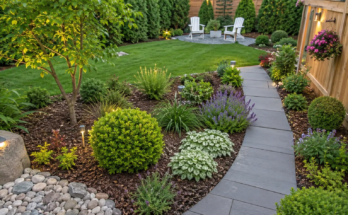
Plant diversity is important for a sustainable garden. Growing different types of plants can create a stronger and more balanced garden environment.
Instead of planting only one type of vegetable or flower, combine different plants that have different characteristics. Herbs, vegetables, flowers, and native plants can all have a place in the garden.
A diverse garden can also provide food and shelter for birds, butterflies, bees, and other wildlife. Different plants attract different organisms, helping create a more natural ecosystem.
Crop rotation is also useful when growing vegetables. Changing the location of certain crops each season can reduce the buildup of some pests and soil problems.
Avoid Unnecessary Chemicals
Reducing the use of synthetic chemicals is an important goal of natural gardening. Chemical fertilizers and pesticides can sometimes affect soil organisms, beneficial insects, water sources, and other parts of the environment.
Before using any chemical product, consider whether a natural solution could solve the problem. Improving soil health, choosing resistant plants, removing damaged leaves, and encouraging beneficial insects can often reduce garden problems.
If a product is truly necessary, always follow its label instructions and use only the amount recommended. Responsible garden care protects both your plants and the surrounding environment.
Save Seeds From Healthy Plants
Saving seeds is another simple way to make your garden more sustainable. At the end of the growing season, collect seeds from healthy plants that performed well in your garden.
Allow seeds to dry properly before storing them in clean, labeled containers. Keep them in a cool and dry location.
Saving seeds can reduce the need to purchase new seeds every season. It also allows you to continue growing plants that have already adapted well to your garden conditions.
Encourage Birds and Helpful Wildlife
A sustainable garden should provide space for wildlife. Birds can eat certain garden pests, while bees and butterflies help with pollination.
You can attract wildlife by planting flowers, providing safe shelter, and maintaining a variety of plants. A shallow source of clean water can also help birds and beneficial insects.
Avoid using unnecessary pesticides because they can harm the wildlife you are trying to encourage.
Reduce Garden Waste
Natural gardening also means finding useful ways to reuse garden materials. Dry leaves can become mulch or compost. Grass clippings can be added to compost in appropriate amounts. Small branches can be used as natural garden supports or added to a composting system designed for woody material.
Instead of throwing away healthy plant material, consider whether it can be reused. Reducing waste saves resources and makes gardening more sustainable.
Keep Your Garden Simple
You do not need a perfect garden to have a healthy garden. A natural garden may have a few weeds, insects, fallen leaves, and areas that look less controlled. These natural elements can actually support biodiversity.
Focus on creating healthy soil, choosing suitable plants, saving water, and supporting beneficial wildlife. Avoid trying to control every part of the garden.
A simple approach can save time, money, and resources while allowing nature to play a bigger role.
Conclusion
Natural gardening is a practical way to create a beautiful and healthy outdoor space while protecting the environment. By improving soil naturally, using compost, saving water, applying organic mulch, controlling pests naturally, and choosing suitable plants, you can build a more sustainable garden.
The best natural gardening tips are often simple habits that can be practiced throughout the year. You can start with one or two changes and gradually introduce more sustainable methods. With patience and regular care, your garden can become a healthy environment for plants, people, insects, birds, and other wildlife.
A sustainable garden does not have to be complicated. When you work with nature instead of fighting it, you can enjoy healthier plants, better soil, less waste, and a greener home for years to come.