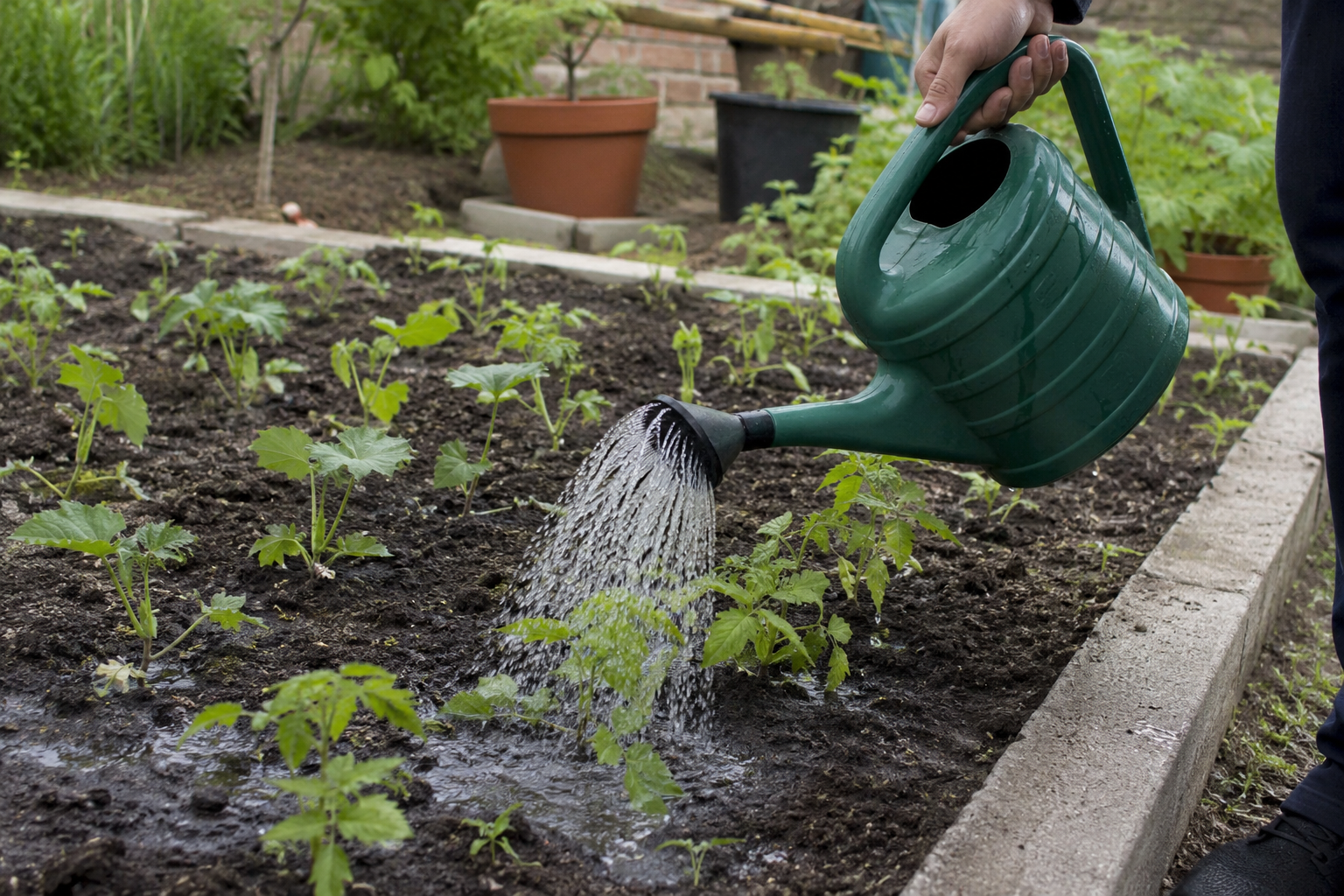
Water is one of the most important things plants need to grow strong, healthy, and beautiful. Many beginners think that watering garden plants simply means adding water whenever the soil looks dry. However, proper watering is more than that. Giving plants too much water or too little water can cause problems such as weak roots, yellow leaves, slow growth, and plant diseases. Learning how to water garden plants the right way can make a big difference in the health of your garden.
Every plant has different watering needs. Some plants enjoy moist soil, while others prefer the soil to dry slightly between watering sessions. Weather, soil type, plant size, and location also affect how much water your garden needs. With a few simple habits, you can create a watering routine that helps your plants grow naturally and stay healthy.
Understand Your Plants Water Needs
The first step in learning how to water garden plants is understanding that every plant is different. Vegetables, flowers, herbs, shrubs, and young trees may all require different amounts of water.
Newly planted flowers and vegetables usually need more regular watering because their roots are still developing. Mature plants often have deeper roots and can find moisture below the surface. Some plants, such as tomatoes and cucumbers, need consistent moisture during active growth. Other plants, such as lavender and rosemary, prefer less water and well drained soil.
Before creating a watering schedule, learn about the plants growing in your garden. This simple step can help you avoid overwatering and underwatering.
Check the Soil Before Watering
One of the easiest ways to know when to water garden plants is to check the soil. Do not depend only on a fixed schedule because weather conditions can change quickly.
Put your finger about one or two inches into the soil. If the soil feels dry, your plants may need water. If it still feels moist, you can usually wait a little longer.
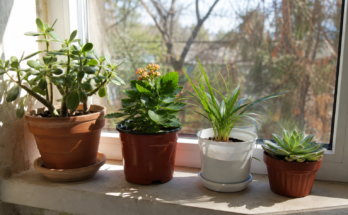
For plants growing in containers, check the soil regularly because pots can dry out faster than garden beds. During hot weather, container plants may need water more often than plants growing directly in the ground.
Checking the soil takes only a few seconds, but it can prevent many common watering problems.
Water Plants Deeply
Deep watering is one of the best gardening practices for healthy plants. Instead of giving a small amount of water every day, it is often better to water deeply when the soil becomes dry.
Deep watering encourages plant roots to grow farther into the soil. Strong and deep roots can help plants handle warm weather and short periods of dry conditions.
When watering garden plants, apply water slowly so it has time to move into the soil. If you water too quickly, much of the water may run away from the root area instead of reaching the roots.
The goal is to provide enough moisture around the root zone without creating standing water.
Water at the Right Time
The best time to water garden plants is usually early in the morning. Morning watering gives plants enough moisture before the temperature becomes high. It also allows leaves that become wet to dry during the day.
Watering in the early morning can reduce unnecessary water loss caused by strong afternoon heat. It also gives plants time to use the moisture throughout the day.
Late evening watering can sometimes leave plant leaves wet for many hours. Wet leaves combined with poor air movement can create conditions that encourage certain fungal problems.
If morning watering is not possible, watering later in the afternoon or early evening can still work. The most important thing is to avoid wasting water during the hottest part of the day.
Focus Water Around the Roots
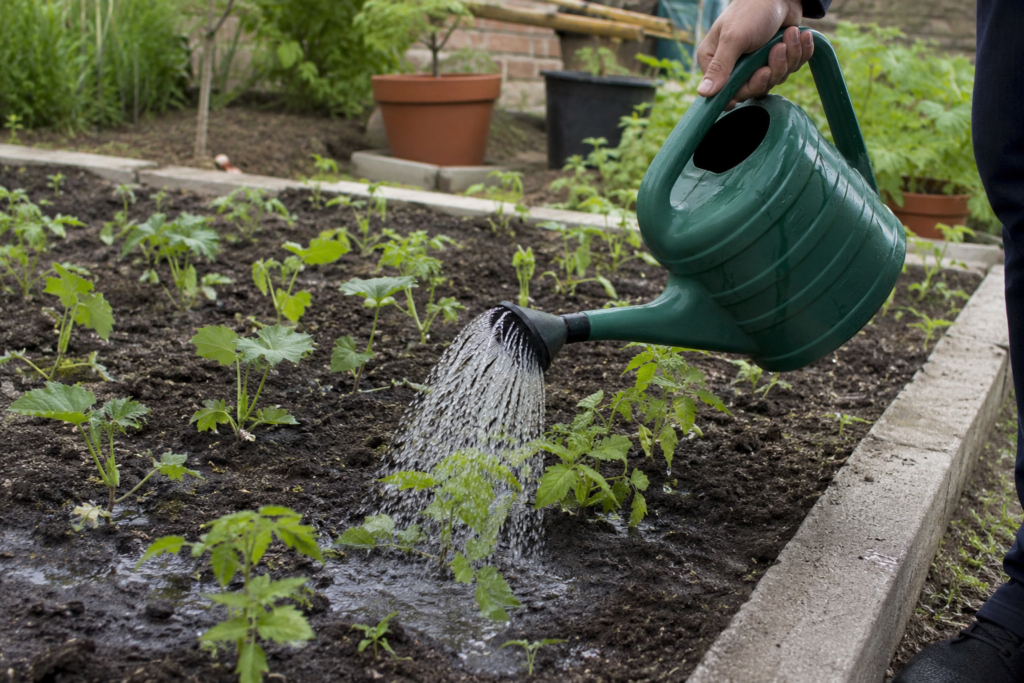
When watering garden plants, try to direct water toward the soil rather than spraying the entire plant. Plant roots absorb most of the water they need from the soil.
Watering directly around the root zone is more efficient because the moisture goes where the plant needs it most. It also helps keep leaves and flowers dry.
For vegetables and flowers, slowly water the soil around the base of the plant. For larger plants, spread the water around the root area because roots can extend beyond the exact base of the stem.
A watering can, garden hose with a gentle setting, or drip irrigation system can all work well when used carefully.
Avoid Overwatering Your Garden
Overwatering is one of the most common gardening mistakes. Many beginners believe that more water always means healthier plants. In reality, too much water can be just as harmful as too little.
When soil stays wet for a long time, there may not be enough air around the roots. Plant roots need oxygen to function properly. Constantly wet soil can also encourage root problems and fungal diseases.
Signs of overwatering may include yellow leaves, soft stems, slow growth, and soil that remains wet for several days.
If you notice these signs, check the soil before watering again. Improving drainage and allowing the soil to dry slightly may help.
Do Not Let Plants Become Extremely Dry
Although overwatering is a problem, underwatering can also damage plants. When plants do not receive enough moisture, their leaves may wilt, become dry, or lose their healthy appearance.
Young plants are especially sensitive to dry soil because their root systems are still small. Vegetable plants may also need consistent moisture during flowering and fruit production.
If the soil becomes very dry, water slowly rather than flooding the area quickly. Give the water enough time to soak into the soil and reach the roots.
Regularly checking the soil can help you notice dryness before plants become seriously stressed.
Use Mulch to Keep Soil Moist
Mulching is an easy way to improve garden watering. A layer of organic mulch around plants can help slow down water evaporation from the soil.
Mulch can include materials such as dry leaves, compost, straw, or other suitable organic materials. It can also help keep the soil temperature more stable and reduce weed growth.
Keep mulch slightly away from the plant stem. Placing a thick layer directly against the stem can create unwanted moisture around the base of the plant.
With proper mulch, garden soil can stay moist for longer, which may reduce how often you need to water.
Consider Your Soil Type
Soil type has a major effect on watering. Sandy soil drains water quickly, so plants growing in sandy soil may need more frequent watering. Clay soil holds water for longer and may need less frequent watering.
Loamy soil is often considered suitable for many garden plants because it can hold moisture while still providing drainage.
If your soil drains too quickly, adding organic matter such as compost can improve its ability to hold moisture. If your soil stays wet for too long, improving drainage may be necessary.
Understanding your soil makes it much easier to develop an effective garden watering routine.
Water Container Plants Carefully
Plants growing in containers have special watering needs. Pots have limited space for roots and can dry out faster than garden soil.
Check container plants frequently, especially during hot and dry weather. When watering, apply enough water so that some moisture reaches the bottom of the container.
Make sure the container has drainage holes. Without proper drainage, excess water can collect around the roots and cause serious problems.
Do not water a container plant simply because it is part of your daily routine. Check the soil first and water according to its actual needs.
Adjust Watering During Different Seasons
Your garden watering routine should change throughout the year. Plants usually need more water during hot summer weather because moisture evaporates faster.
During cooler seasons, soil may stay moist for longer periods. Rain can also reduce the amount of additional water your garden needs.
After heavy rainfall, check the soil before watering. There may already be enough moisture available for your plants.
Paying attention to temperature, rainfall, wind, and soil moisture will help you avoid unnecessary watering.
Use Drip Irrigation When Possible
Drip irrigation can be a useful choice for gardeners who want an efficient way to water garden plants. It delivers water slowly near the root area instead of spraying large amounts over the entire garden.
This method can reduce water waste and keep moisture focused around the plants. It can be especially helpful for vegetable gardens, flower beds, and areas that need regular watering.
You do not need an expensive system to start. Even simple drip lines can make watering easier when installed correctly.
Conclusion
Learning how to water garden plants the right way is one of the most useful skills for every gardener. Healthy watering is not about giving plants as much water as possible. It is about providing the right amount of moisture at the right time.
Check the soil before watering, water deeply, focus on the root area, and choose the right time of day. Use mulch to reduce evaporation and pay attention to your soil type and local weather. Remember that container plants and young plants often need more attention than established plants.
With these simple gardening tips, you can create a better watering routine and help your plants grow stronger and healthier. Proper watering saves water, supports healthy roots, and makes your garden easier to maintain. Once you understand what your plants need, watering becomes a simple and natural part of successful home gardening.