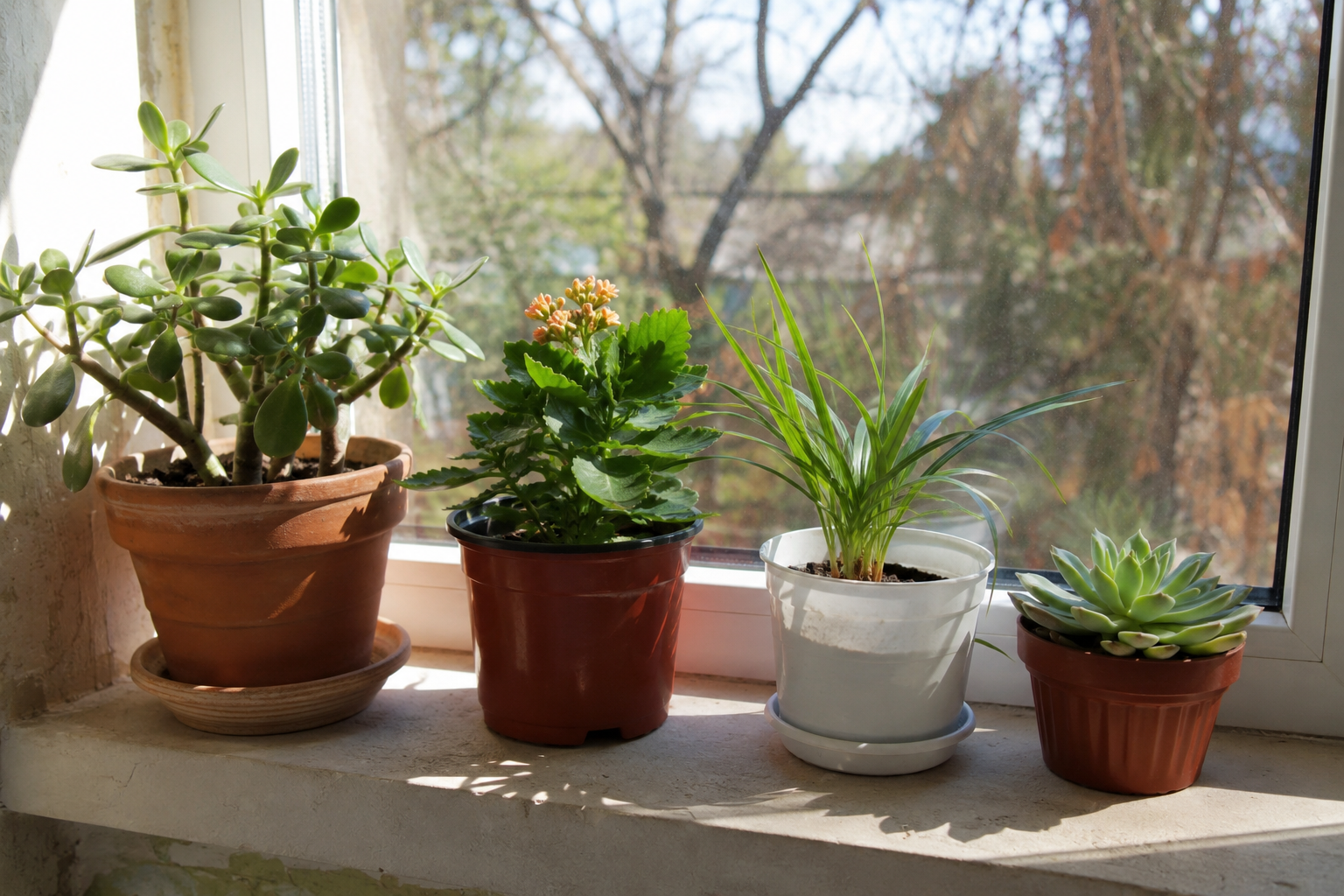
Sunlight is one of the most important things plants need to grow well. Just like people need healthy food and fresh air, plants need the right amount of sunlight to stay strong and produce healthy leaves, flowers, fruits, and vegetables. However, giving plants sunlight is not simply about placing them in the brightest spot available. Different plants have different sunlight needs, and too much or too little sunlight can cause problems.
Understanding how much sunlight your plants need can make home gardening much easier. Whether you are growing indoor plants, flowers, herbs, or vegetables, learning how to provide the right amount of sunlight can help your garden stay healthy throughout the year.
Why Sunlight Is Important for Plants
Plants use sunlight to make their own food through a natural process called photosynthesis. During photosynthesis, plants use sunlight, water, and carbon dioxide to produce energy. This energy helps plants grow new leaves, develop strong roots, produce flowers, and create fruits and seeds.
Without enough sunlight, plants may become weak and unhealthy. Their leaves can turn pale, growth may become slow, and stems may become long and thin as the plant tries to reach more light.
Too much direct sunlight can also create problems. Strong sunlight may cause leaves to become dry, brown, or damaged. This is why giving plants the right amount of sunlight is an important part of successful gardening.
Understand the Different Sunlight Requirements
Before choosing a location for a plant, it is important to understand its sunlight needs. Plants are generally divided into three main sunlight categories: full sun, partial sun, and low light or shade.
Plants that need full sun usually require around six to eight hours of direct sunlight each day. Many vegetables, fruiting plants, and flowering plants grow best under these conditions.
Plants that prefer partial sun usually need around three to six hours of sunlight each day. They may enjoy morning sunlight but need protection from strong afternoon heat.
Shade loving plants need less direct sunlight. They can often grow well in bright indirect light or areas that receive only a small amount of direct sunlight.
Always check the growing instructions for a plant before choosing its location. The correct sunlight requirement can vary between plant species.
Observe Your Garden Before Planting
One of the easiest ways to provide plants with the right amount of sunlight is to observe your garden during the day. Sunlight changes as the earth moves, so a location that looks sunny in the morning may become shaded later.
Spend some time watching different areas of your garden. Notice which places receive direct sunlight in the morning, afternoon, and evening. Also look for areas that are shaded by walls, trees, buildings, fences, or other plants.
This simple observation can help you choose better locations for your plants. It is especially useful when starting a new vegetable garden or arranging plants around your home.
Morning Sunlight Can Be Helpful
Morning sunlight is often gentler than strong afternoon sunlight. Many plants enjoy morning sun because it provides useful light without exposing leaves to intense midday heat.
If a plant needs several hours of sunlight but does not tolerate extreme heat, a location with morning sun and afternoon shade may work well.
This can be particularly helpful in hot climates. Providing plants with some protection during the hottest part of the day can reduce stress and help keep their leaves healthy.
Be Careful With Strong Afternoon Sun
Afternoon sunlight can be very intense, especially during hot summer weather. Some plants can handle strong afternoon sunlight easily, while others may suffer from leaf damage or excessive dryness.
If you notice brown patches, crispy leaf edges, curling leaves, or sudden wilting during hot afternoons, the plant may be receiving too much direct sunlight.
You can protect sensitive plants by moving them to a location with partial shade. For outdoor plants, shade cloth, nearby taller plants, or a suitable garden structure can provide some protection.
Give Indoor Plants Enough Light
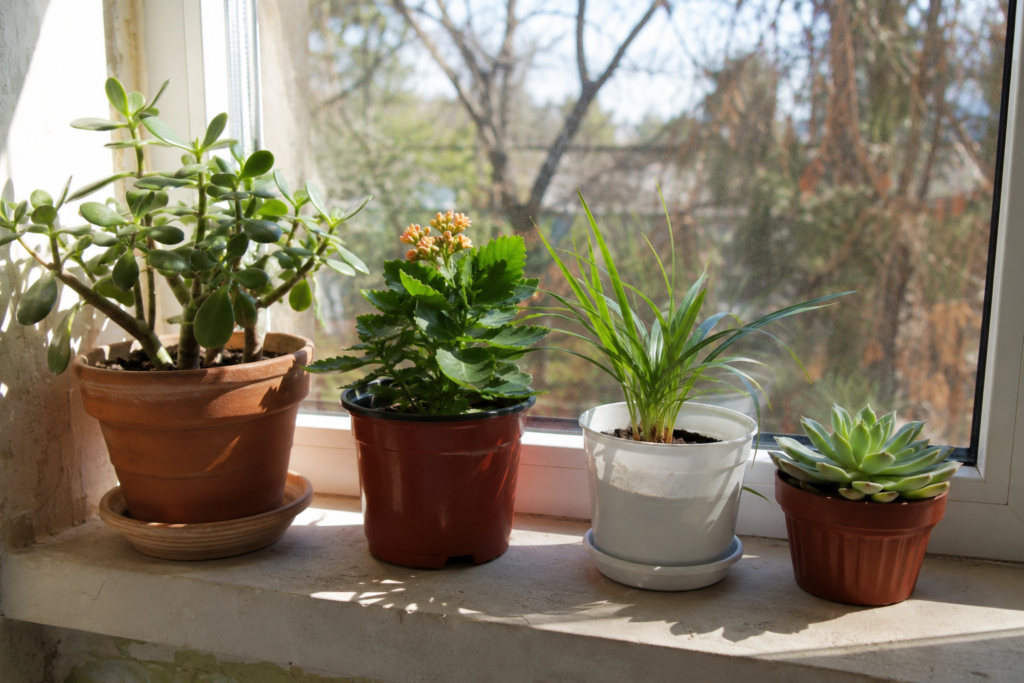
Indoor plants also need proper sunlight. Placing a plant near a window does not always mean it is receiving enough light. Windows facing different directions can provide very different levels of sunlight.
A bright window may be suitable for plants that need strong light. Plants that prefer indirect light can be placed slightly farther away from the window.
Watch your plants carefully after placing them indoors. If the stems become weak and stretched or the leaves lose their normal color, the plant may need more light.
At the same time, avoid placing sensitive plants directly against a very hot window where intense sunlight can heat the leaves.
Rotate Indoor Plants Regularly
Indoor plants often grow toward a window because they naturally move toward available light. If you always leave the same side facing the window, the plant may grow unevenly.
Rotating the plant every few days or once a week can help different sides receive light. This can encourage more balanced growth and help the plant maintain an attractive shape.
Do not rotate plants too frequently if they are sensitive to changes in their environment. A simple and gradual routine is usually enough.
Watch Your Plant for Signs of Too Little Sunlight
Plants often show visible signs when they are not receiving enough sunlight. One common sign is slow growth. The plant may also develop pale leaves or long, thin stems.
Some flowering plants may stop producing flowers when they do not receive enough light. Vegetable plants may also produce fewer fruits or develop weak growth.
If you notice these signs, gradually move the plant toward a brighter location. Avoid suddenly placing a plant that has been growing in shade under strong direct sunlight because this can cause stress or leaf damage.
Watch for Signs of Too Much Sunlight
Too much sunlight can also be easy to recognize. Leaves may develop brown spots, dry edges, bleached areas, or a burned appearance.
A plant may also wilt quickly even when the soil has enough moisture. This can happen because intense heat and sunlight cause water to leave the leaves quickly.
If you notice these signs, consider moving the plant to a location with less intense sunlight or providing afternoon shade.
Adjust Sunlight According to the Season
The amount of sunlight in a particular location can change during the year. A garden area that receives plenty of sunlight in winter may become much hotter and brighter during summer.
Seasonal changes can affect indoor plants too. The angle of sunlight entering through windows changes throughout the year.
For this reason, do not assume that one location will always be perfect. Check your plants regularly and adjust their position when necessary.
Use Shade for Sensitive Plants
Shade can be useful when growing plants that cannot tolerate strong direct sunlight. However, complete darkness is not the goal. Many shade loving plants still need plenty of bright indirect light.
You can create partial shade using trees, garden structures, shade cloth, or taller plants. When planning your garden, think about how larger plants may affect smaller plants as they grow.
A well planned garden can naturally provide different levels of sunlight for plants with different requirements.
Do Not Forget About Water
Sunlight and watering are closely connected. Plants that receive strong sunlight often lose water more quickly, while plants growing in low light may use water more slowly.
This means you should not use the same watering routine for every plant. Check the soil before watering and consider the amount of sunlight, temperature, plant size, and type of soil.
Giving a plant more water does not always solve a sunlight problem. If a plant is suffering from excessive sunlight, moving it to a more suitable location may be more helpful.
Choose Plants That Match Your Space
One of the easiest ways to manage sunlight is to choose plants that naturally fit the conditions in your garden or home.
If your garden receives strong sunlight for most of the day, select plants that enjoy full sun. If your home has limited natural light, choose indoor plants that can tolerate lower light conditions.
Choosing plants according to your available sunlight can save time and reduce plant problems. It also makes gardening more enjoyable because you are working with the natural conditions instead of constantly fighting them.
Give Plants Time to Adjust
When moving a plant from low light to bright sunlight, make the change gradually. A sudden change can shock the plant and damage its leaves.
Start by giving the plant a little more sunlight each day. Over time, it can become better adjusted to its new environment.
This is especially important for indoor plants that are being moved outdoors. Outdoor sunlight can be much stronger than the light available inside a home.
Final Thoughts
Giving plants the right amount of sunlight is one of the most important parts of successful plant care. Every plant has different light requirements, so it is important to understand whether your plant prefers full sun, partial sun, or shade.
Observe your garden, check how sunlight changes during the day, and watch your plants for signs of too much or too little light. Remember that sunlight needs can also change with the seasons.
When you provide the right balance of sunlight, water, and care, plants have a much better chance of growing strong and healthy. With a little observation and regular attention, anyone can learn how to give plants the right amount of sunlight and create a healthier home garden.