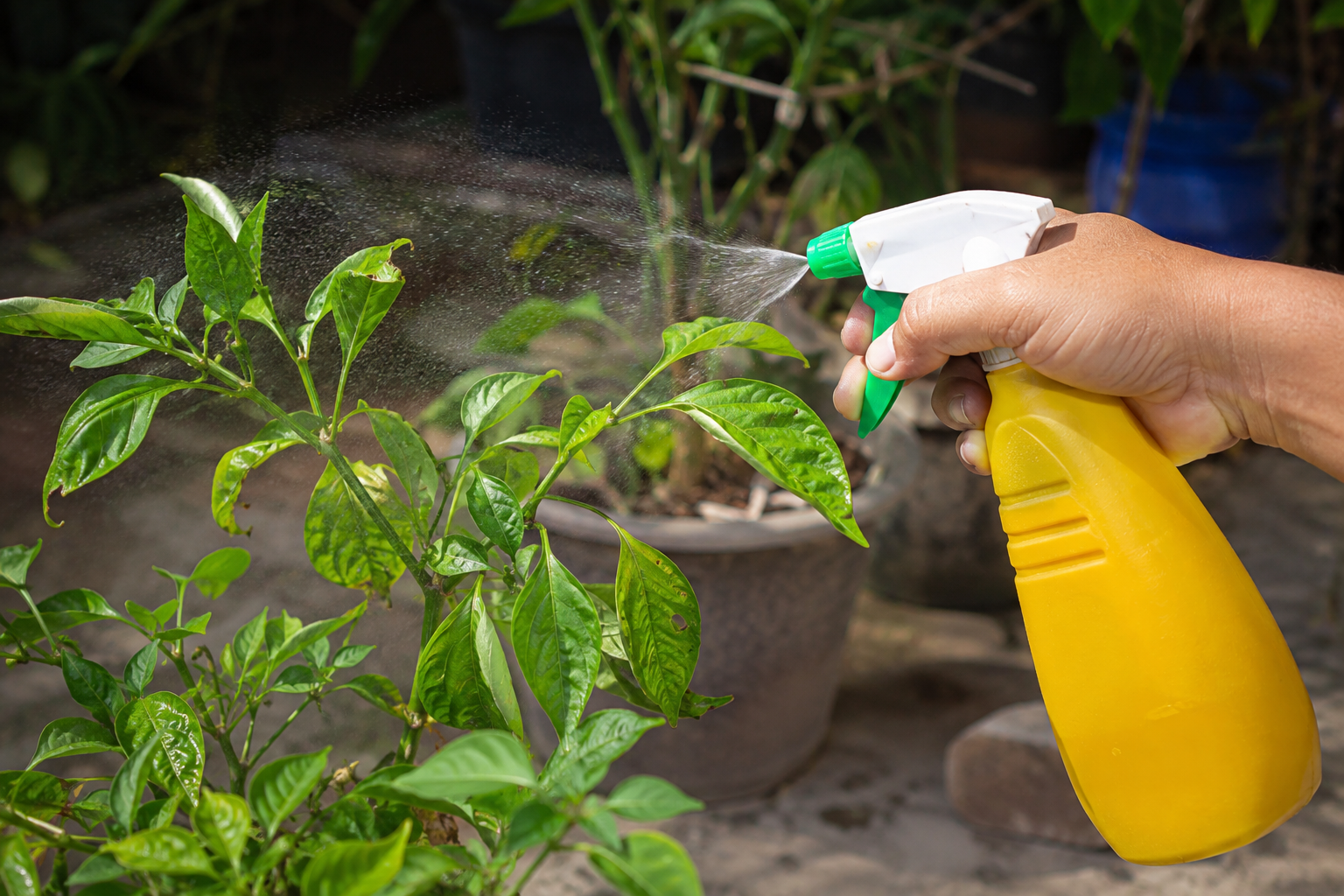
Growing healthy plants at home can be a rewarding experience, but pests can quickly become a problem. Small insects and other unwanted creatures can damage leaves, stems, roots, flowers, and fruits. If pests are not controlled early, they can weaken plants and reduce their growth. Fortunately, there are many easy ways to protect plants from pests without making gardening complicated.
Plant protection starts with regular care and observation. By keeping plants healthy, maintaining clean growing areas, and using simple natural methods, gardeners can reduce pest problems and help their plants stay strong. This article explains easy and practical ways to protect plants from common garden pests.
Keep Your Plants Healthy
Healthy plants are usually better able to handle pest problems. Give your plants the right amount of water, sunlight, nutrients, and space. Weak or stressed plants can become more attractive to insects and may have difficulty recovering from damage.
Avoid giving plants too much water because constantly wet soil can create conditions that attract certain pests and diseases. At the same time, do not allow plants to become extremely dry. Check the soil before watering and provide water according to the needs of each plant.
Good soil is also important for strong plant growth. Adding suitable organic matter can improve soil quality and support healthy roots. When plants receive proper care, they can grow stronger and become more resistant to pest damage.
Check Plants Regularly
One of the easiest ways to protect plants from pests is to inspect them regularly. Spend a few minutes checking leaves, stems, flowers, and the soil around your plants.
Look for small insects, holes in leaves, sticky spots, webbing, damaged stems, or unusual leaf color. Some pests are very small, so early signs may be easier to notice than the insects themselves.
Checking plants regularly allows you to identify a problem before it becomes serious. If you find only a few insects, you may be able to remove them by hand instead of using stronger pest control methods.
Remove Pests by Hand
Hand removal is one of the simplest methods for controlling garden pests. If you notice larger insects such as caterpillars, beetles, or other visible pests, carefully remove them from the plant.
You can place the pests into a container of soapy water. For small plants, you can also gently wipe leaves to remove insects or eggs.
This method works especially well when the pest population is small. It is simple, inexpensive, and does not require special products. Regular inspection makes hand removal even more effective.
Keep the Garden Clean
A clean garden can help reduce pest problems. Remove dead leaves, fallen fruits, damaged plant parts, and other garden waste regularly. These materials can provide hiding places for insects and other unwanted pests.
Weeds should also be removed because they can compete with plants for water and nutrients while sometimes providing shelter for pests. Keeping the area around plants clean makes it easier to notice pest activity.
Clean gardening tools can also support better plant care. Wash tools after working with plants that show signs of pest or disease problems.
Use Natural Pest Control
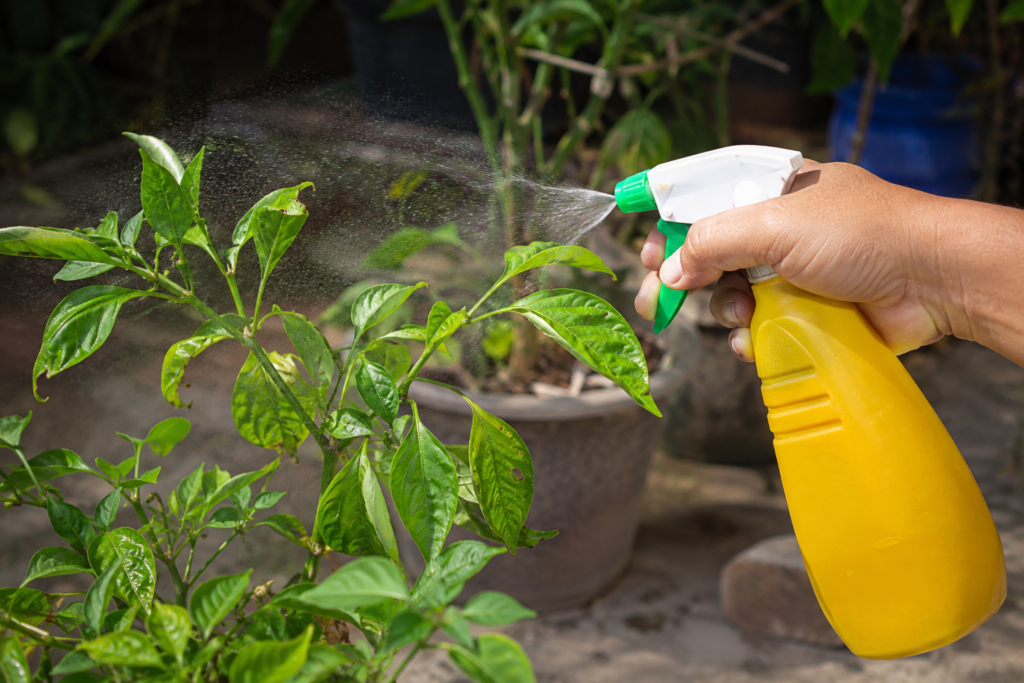
Natural pest control can be a useful option for home gardeners who want a simple approach to protecting plants. Some common household ingredients can help discourage certain pests when used carefully.
For example, a mild mixture of water and a small amount of liquid soap can sometimes help control soft bodied insects on plant leaves. Test any homemade spray on a small part of the plant first because some plants can be sensitive to sprays.
Neem based products are another option commonly used by gardeners. They can help manage several types of unwanted insects. Always follow the product instructions and use it carefully, especially around beneficial insects.
Encourage Helpful Insects
Not every insect in the garden is harmful. Some insects can actually help protect plants by feeding on common garden pests.
Ladybugs, lacewings, and some types of small wasps can help reduce populations of harmful insects. You can encourage helpful insects by growing a variety of flowers and avoiding unnecessary use of broad spectrum pesticides.
Plants such as marigolds, basil, lavender, and other flowering plants can make a garden more attractive to beneficial insects. A diverse garden can create a healthier natural environment for both plants and helpful insects.
Use Physical Barriers
Physical barriers can protect plants by stopping pests from reaching them. Garden netting can be placed over vegetables and other plants to prevent certain insects and birds from causing damage.
Row covers can also protect young plants from some flying insects. For container gardening, you can use suitable covers or mesh around vulnerable plants.
Physical barriers are especially useful for young seedlings because they are often more sensitive to pest damage. Make sure the covering allows enough sunlight, air, and water to reach the plant.
Keep the Soil Healthy
Healthy soil supports strong roots and better plant growth. Add suitable compost or organic matter when needed to improve soil structure and provide nutrients.
Avoid disturbing the soil unnecessarily because healthy soil contains many useful organisms. Good soil management can create a better environment for plants and may help them handle stress more effectively.
Proper drainage is also important. Waterlogged soil can weaken roots and create other gardening problems. Make sure containers and garden beds allow excess water to drain properly.
Avoid Planting Too Closely
Plants need enough space to grow and receive good air circulation. When plants are crowded together, leaves can remain wet for longer periods and pests may move easily from one plant to another.
Follow the recommended spacing for each plant. If plants become too crowded, carefully remove some weaker growth or move suitable container plants to a better location.
Good spacing also makes it easier to inspect leaves and stems. This means you can find pest problems sooner and treat affected areas more easily.
Rotate Crops in Vegetable Gardens
Crop rotation can be helpful when growing vegetables. Planting the same type of crop in the same location repeatedly can allow certain pests and soil problems to continue.
Instead, change where different vegetable families are planted each season when possible. For example, move leafy vegetables, root vegetables, and fruiting vegetables to different areas.
Crop rotation can support healthier soil and reduce the chance of certain pest problems becoming established in one location.
Use Traps for Certain Pests
Some garden pests can be controlled with simple traps. Sticky traps can help monitor or catch certain flying insects. Other traps may be useful for pests that move around the soil or garden surface.
Traps should be placed according to the type of pest you are trying to manage. They can also help you understand whether the pest population is increasing or decreasing.
However, avoid placing traps that could unnecessarily harm helpful insects. The goal should be targeted pest control rather than removing every insect from the garden.
Remove Damaged Plant Parts
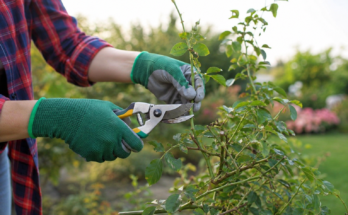
When a plant has badly damaged leaves or stems, removing the affected parts can sometimes help prevent further problems. Use clean gardening scissors and avoid damaging healthy parts of the plant.
Do not leave heavily damaged plant material around the garden. Dispose of it appropriately so pests do not continue using it as shelter.
Before removing plant parts, make sure the damage is actually caused by pests. Some leaf changes can result from watering problems, nutrient issues, weather, or natural plant growth.
Choose Pest Resistant Plants
Another easy way to protect plants from pests is to choose varieties that are known for being more resistant to common problems in your area. Local garden centers and experienced gardeners can often provide useful information about plants that grow well under local conditions.
Native and well adapted plants may also require less care because they are suited to the local environment. Choosing the right plant for the right location can reduce stress and make pest management easier.
Avoid Overusing Pesticides
Pesticides can be useful in some situations, but they should not always be the first solution. Unnecessary pesticide use can harm helpful insects and may create other problems in the garden.
Start with simple methods such as inspection, hand removal, pruning, barriers, and improved plant care. If a pesticide is needed, select an appropriate product and carefully follow the label instructions.
Use only the amount recommended and avoid spraying during conditions that could cause the product to spread to unwanted areas.
Protecting Plants Takes Regular Care
Protecting plants from pests is not a one time task. Regular observation and good gardening habits are more effective than waiting until plants are badly damaged.
Walk around your garden regularly and look closely at your plants. Remove visible pests, clean garden areas, check soil moisture, and provide plants with the care they need.
Early action can make pest control much easier. A small problem can often be managed with simple methods, while a large infestation may require more effort.
Conclusion
Learning how to protect plants from pests does not have to be difficult. Simple habits such as keeping plants healthy, checking them regularly, removing pests by hand, cleaning the garden, encouraging helpful insects, and using physical barriers can make a big difference.
Natural pest control methods can also be useful when applied carefully. Choosing suitable plants, maintaining healthy soil, providing enough space, and avoiding unnecessary pesticide use can create a healthier growing environment.
The most important part of plant protection is consistency. When gardeners pay attention to their plants and respond to problems early, they can reduce pest damage and enjoy healthier flowers, herbs, fruits, and vegetables. With a little regular care, protecting plants from pests can become an easy and natural part of everyday gardening.