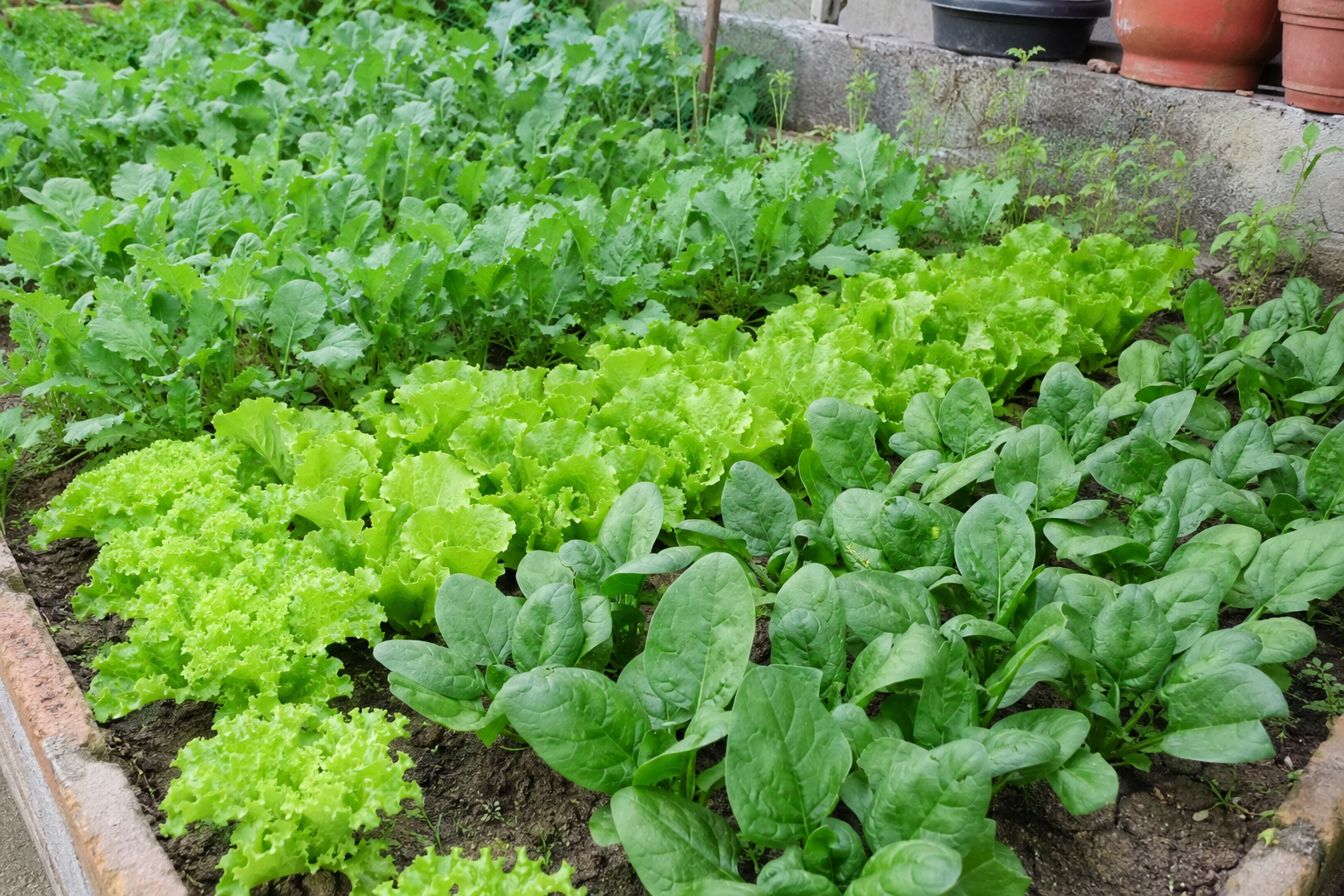
Growing leafy green vegetables at home is one of the easiest and most rewarding ways to enjoy fresh and healthy food. Vegetables such as spinach, lettuce, kale, Swiss chard, mustard greens, and arugula can grow well in gardens, containers, raised beds, and even small outdoor spaces. With the right soil, sunlight, watering routine, and basic plant care, anyone can learn how to grow leafy green vegetables successfully.
Leafy greens are popular among home gardeners because they grow quickly and do not always require a large amount of space. They are also packed with important nutrients and can be harvested while the plants are still young. If you want fresh vegetables for salads, soups, sandwiches, and cooked meals, growing leafy greens at home is a simple choice.
Choose the Right Leafy Green Vegetables
The first step in growing leafy green vegetables is choosing varieties that suit your garden and local weather. Different greens have different growing requirements, so it is important to understand what works best in your area.
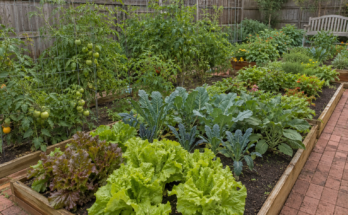
Spinach is a popular choice because it grows quickly and can be harvested several times. Lettuce is another easy vegetable for beginners and comes in many varieties. Kale is strong and can continue producing leaves for a long time when cared for properly. Swiss chard is attractive, productive, and suitable for containers. Mustard greens and arugula are also good choices if you enjoy vegetables with a stronger flavor.
Before planting, check the expected growing conditions for each vegetable. Choosing suitable varieties can make your gardening experience easier and increase your chances of getting a healthy harvest.
Select a Good Growing Location
Most leafy green vegetables need enough sunlight to grow healthy leaves. A location that receives several hours of sunlight each day is usually suitable for many leafy greens. However, some greens can benefit from partial shade, especially when the weather becomes very hot.
In warm conditions, strong afternoon sunlight can sometimes cause leafy vegetables to wilt or become stressed. Morning sunlight combined with some afternoon shade can help protect plants from excessive heat.
If you are growing vegetables in containers, choose a place where the plants can receive good natural light while still being protected from strong winds. A balcony, patio, rooftop, or small garden area can work well when the growing conditions are suitable.
Prepare Healthy Soil
Healthy soil is one of the most important factors when growing leafy green vegetables. These plants need soil that contains nutrients and allows water to drain properly.
Before planting, loosen the soil and remove large stones, weeds, and old plant roots. Adding well prepared organic matter or compost can improve soil structure and provide nutrients for plant growth. The soil should feel loose and crumbly rather than hard and compact.
Good drainage is also important because waterlogged soil can damage roots. If you are using containers, always choose pots with drainage holes. Excess water should be able to escape easily from the bottom of the container.
Plant Seeds at the Right Depth
Leafy green vegetables are commonly grown from seeds. Follow the planting instructions on the seed packet because the ideal planting depth can vary between vegetables.
Avoid planting seeds too deeply because small seeds may struggle to reach the surface. After placing the seeds in the soil, cover them lightly and water gently. Strong streams of water can move the seeds or expose them.
Keep the soil slightly moist while seeds are germinating. Depending on the vegetable and growing conditions, seedlings may appear within several days or a couple of weeks.
Give Plants Enough Space
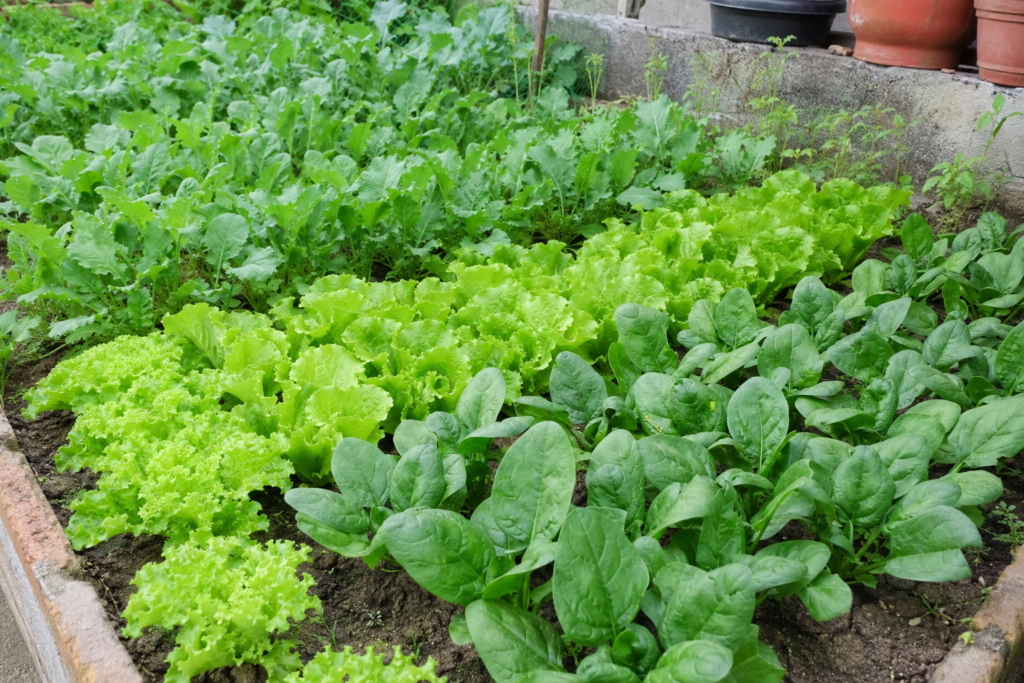
Proper spacing is important for healthy leafy green vegetables. When plants are overcrowded, they compete for sunlight, water, air, and nutrients. Crowded plants can also create conditions where fungal problems spread more easily.
When seedlings become large enough to handle, thin them if necessary. Remove weaker seedlings and allow stronger plants enough room to develop. The correct spacing depends on the vegetable and the size of the mature plant.
You can also practice succession planting by planting small amounts of seeds at regular intervals. This can provide a steady supply of fresh leafy greens instead of having everything ready for harvest at the same time.
Water Leafy Green Vegetables Properly
Watering is one of the most important parts of vegetable garden care. Leafy green vegetables need consistent moisture because their leaves contain a large amount of water.
Check the soil regularly by touching the surface with your finger. If the soil feels dry, it may be time to water. Water deeply enough to reach the root area, but avoid keeping the soil constantly soaked.
Morning is often a good time to water because plants have time to absorb moisture during the day. Watering near the base of the plants can also help keep the leaves dry and reduce the chance of certain fungal problems.
During hot weather, plants may need more frequent watering. However, always consider the condition of the soil instead of following a fixed schedule.
Provide Natural Plant Nutrition
Leafy green vegetables need nutrients to produce healthy leaves. Compost and other suitable organic materials can help improve soil fertility.
If the soil is poor, a balanced vegetable fertilizer may also be useful. Always follow the instructions provided with the fertilizer and avoid using excessive amounts. Too much fertilizer can damage plants and may lead to unhealthy growth.
Healthy soil is usually more beneficial than trying to correct plant problems with large amounts of fertilizer. Regularly adding organic matter can help maintain soil quality over time.
Protect Plants From Pests
Pests can become a problem when growing leafy green vegetables because insects are attracted to tender leaves. Common garden pests may include aphids, caterpillars, snails, and other insects.
Inspect your plants regularly, especially the undersides of leaves. Finding pests early makes them easier to manage. Remove larger insects by hand when possible and keep the garden clean.
Avoid allowing damaged leaves, weeds, and plant debris to build up around your vegetables. Healthy plants are generally better able to tolerate minor pest pressure.
If a serious pest problem develops, choose a suitable control method carefully and follow product instructions. Natural approaches can also be useful depending on the type of pest and the size of the problem.
Keep Weeds Under Control
Weeds compete with vegetables for water, nutrients, sunlight, and growing space. Removing weeds regularly can help leafy green vegetables grow better.
Pull small weeds carefully before they become established. Be gentle around vegetable roots because disturbing the root system can slow plant growth.
A thin layer of suitable organic mulch can also help reduce weed growth and maintain soil moisture. Keep mulch slightly away from the main stem of the plant to improve air circulation and reduce moisture related problems.
Harvest Leafy Greens Correctly
One of the best things about growing leafy green vegetables is that many varieties can be harvested gradually. Instead of removing the entire plant, you can often pick the larger outer leaves and allow the center to continue growing.
Harvest leaves when they are young and fresh for a tender texture and pleasant flavor. Avoid waiting too long because some greens can become tough or develop a stronger taste as they mature.
Use clean scissors or a sharp knife when harvesting if needed. Handle the plants gently to avoid unnecessary damage.
Regular harvesting can encourage some leafy greens to produce new leaves. This can give you a longer harvest period from a small growing area.
Grow Leafy Greens in Containers
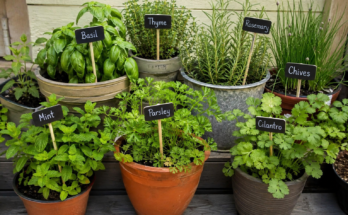
You do not need a large garden to grow leafy green vegetables. Containers can be an excellent option for people with limited outdoor space.
Choose containers that are wide enough for the vegetables you want to grow and make sure they have proper drainage. Use quality potting soil rather than heavy garden soil that may become compacted inside a container.
Containers also make it easier to move plants when weather conditions change. During extremely hot weather, you may be able to move containers to a location with afternoon shade.
Avoid Common Growing Mistakes
Beginners often make a few simple mistakes when growing leafy greens. Overwatering is one of the most common problems. Another mistake is planting vegetables in soil that drains poorly.
Planting too many seeds in one small space can also result in weak and crowded plants. Lack of sunlight may cause plants to become thin and less productive.
Ignoring pests is another common problem. Checking your plants regularly allows you to notice changes before a small issue becomes a major problem.
The best approach is to observe your garden frequently. Plants can show signs of stress through yellow leaves, wilting, slow growth, or insect damage. Understanding these signs can help you respond quickly.
Conclusion
Learning how to grow leafy green vegetables successfully does not require advanced gardening skills. With healthy soil, suitable sunlight, proper watering, enough growing space, and regular plant care, you can produce fresh greens at home.
Start with easy vegetables such as spinach, lettuce, kale, Swiss chard, or arugula. Pay attention to your plants and adjust watering, sunlight, and care according to the weather and growing conditions. With practice, you can build a productive vegetable garden and enjoy fresh leafy greens throughout the growing season.
Growing leafy green vegetables is not only a useful gardening activity but also a simple way to bring fresh food closer to your kitchen. With patience and regular care, even a small garden or container can provide a satisfying harvest.