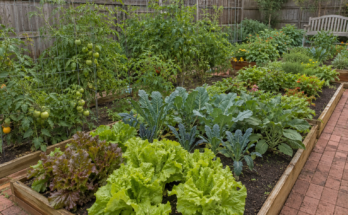
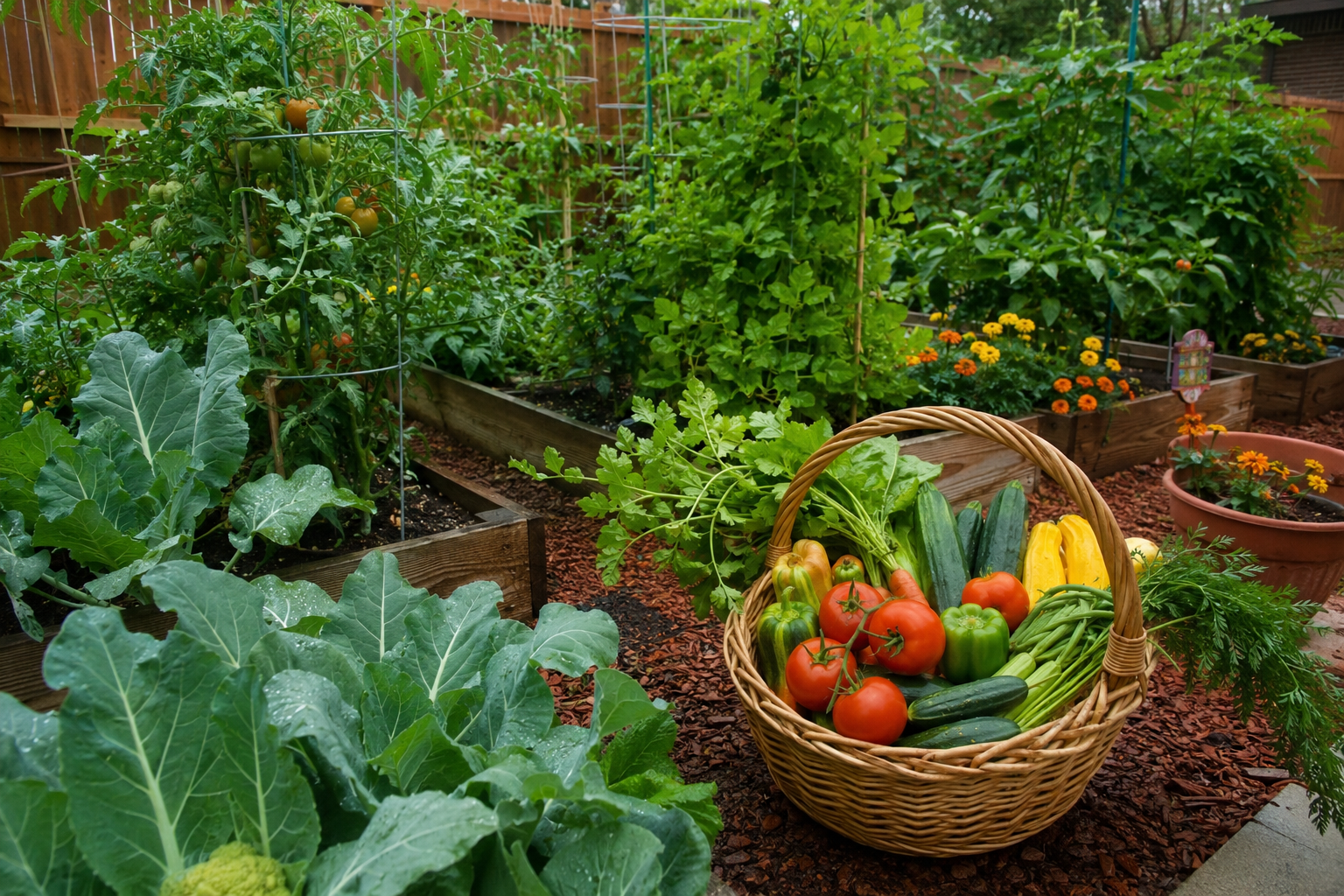
Growing healthy vegetables at home is a simple and rewarding way to enjoy fresh food while spending more time around nature. You do not need a large garden or expensive equipment to start growing vegetables. A small backyard, balcony, rooftop, or sunny corner can be enough if you choose the right plants and provide proper care. Homegrown vegetables can also taste fresher and better because you can pick them when they are ready to eat.
If you are new to gardening, it is important to understand that healthy vegetables need the right soil, sunlight, water, nutrients, and regular attention. With a few simple habits, anyone can create a productive vegetable garden at home. This guide shares useful tips for growing healthy vegetables and keeping your plants strong throughout the growing season.
Choose the Right Vegetables for Your Home Garden
The first step toward successful vegetable gardening is choosing vegetables that can grow well in your local conditions. Every plant has different needs, so think about your available space, sunlight, weather, and soil before buying seeds.
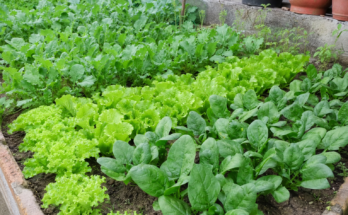
Easy vegetables for beginners include tomatoes, green beans, lettuce, spinach, radishes, carrots, cucumbers, peppers, and herbs. If you have limited space, leafy greens and herbs are excellent choices because they can grow in containers.
It is also helpful to choose vegetables that your family enjoys eating. Growing vegetables that you regularly use in meals makes gardening more useful and enjoyable.
Find a Sunny Location
Sunlight is one of the most important requirements for growing healthy vegetables at home. Most vegetables need several hours of direct sunlight every day to grow properly. Tomatoes, peppers, cucumbers, and beans usually perform best in sunny areas.
Before planting, observe your garden or balcony and see how much sunlight it receives during the day. Select a location where plants can get enough natural light without being blocked by walls, trees, or large buildings.
If your growing area receives limited sunlight, choose vegetables that can tolerate partial shade. Lettuce, spinach, and some herbs can often grow with less direct sunlight than fruiting vegetables.
Prepare Healthy Soil
Good soil provides vegetables with the support and nutrients they need to develop strong roots. Poor soil can make plants weak even when you provide enough water and sunlight.
Before planting, loosen the soil and remove large stones, weeds, and old roots. Adding compost or well decomposed organic matter can improve soil structure and provide useful nutrients.
Healthy soil should allow water to move through it while still holding enough moisture for plant roots. Avoid soil that stays completely wet for long periods because excess water can damage roots and encourage plant diseases.
Use Quality Seeds or Healthy Seedlings
The quality of your planting material can affect the success of your vegetable garden. Choose good quality seeds from a reliable source and check the planting instructions on the packet.
If you prefer to start with seedlings, select plants that look healthy and strong. Avoid seedlings with yellow leaves, damaged stems, or signs of insects.
Starting with healthy seeds or seedlings gives your vegetable garden a better chance of producing strong plants and a good harvest.
Give Plants Enough Space
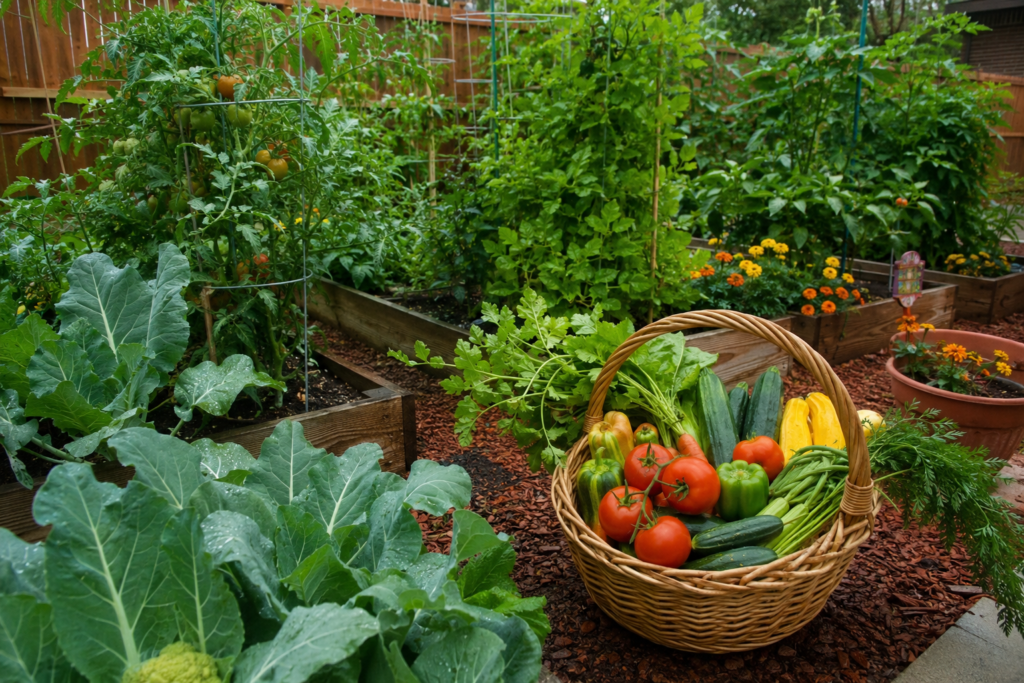
One common mistake beginners make is planting vegetables too close together. Although it may seem like a good way to grow more vegetables, crowded plants often compete for sunlight, water, nutrients, and air.
Follow the spacing recommendations for each vegetable. Proper spacing allows air to move around the leaves and gives roots enough room to develop.
Good spacing can also make it easier to inspect plants, remove weeds, water the soil, and harvest vegetables when they are ready.
Water Vegetables Properly
Water is essential for vegetable gardening, but plants can suffer from both too little and too much water. The best approach is to check the soil regularly instead of following a fixed watering schedule.
Push your finger gently into the soil. If the top layer feels dry, the plant may need water. If the soil is still moist, you may be able to wait.
Water deeply enough to reach the root area rather than giving plants a small amount every day. Morning is often a good time to water because plants can use the moisture during the day.
Try to water the soil rather than constantly wetting the leaves. Wet leaves can sometimes encourage fungal problems, especially when air circulation is poor.
Feed Plants With Natural Nutrients
Vegetables need nutrients to produce healthy leaves, roots, flowers, and fruits. Compost is one of the simplest ways to improve soil naturally.
You can add compost around plants as they grow. Organic materials such as properly composted plant matter can help improve the soil while providing nutrients.
Different vegetables have different nutritional requirements, so avoid using large amounts of fertilizer without understanding what your plants need. Too much fertilizer can sometimes damage plants instead of helping them.
Keep Weeds Under Control
Weeds compete with vegetables for water, sunlight, and nutrients. If weeds become large, they can make it harder for your vegetables to grow properly.
Check your garden regularly and remove small weeds before they become established. Pull them carefully from the soil, especially around young vegetable plants.
Adding a layer of organic mulch around plants can also help reduce weed growth. Mulch can keep the soil moist and protect the roots from extreme temperature changes.
Protect Plants From Pests
Garden pests can quickly damage vegetable plants if they are not noticed early. Check the leaves, stems, and soil regularly for insects, holes, discoloration, or other signs of damage.
If you notice a few pests, remove them by hand when possible. Keeping your garden clean and removing damaged leaves can also help reduce pest problems.
Encouraging beneficial insects can be another useful approach. Some insects feed on harmful garden pests and can help maintain a healthier garden naturally.
Avoid using strong chemicals unnecessarily. If a pest problem becomes serious, choose a suitable garden treatment and follow its instructions carefully.
Provide Support for Climbing Vegetables
Some vegetables need support as they grow. Cucumbers, beans, peas, and certain tomato varieties can benefit from stakes, trellises, or other garden supports.
Supporting plants keeps them off the ground and can improve air circulation around the leaves. It can also make harvesting easier.
Install supports early when possible so you do not disturb the roots later. Gently guide growing stems toward the support as the plant develops.
Remove Damaged Leaves
Regularly inspect your vegetable plants and remove leaves that are dead, badly damaged, or showing clear signs of disease. Removing unhealthy plant material can help keep the garden cleaner.
Do not remove healthy leaves unnecessarily because plants need their leaves to produce energy through sunlight. Focus on damaged or diseased parts.
If a plant shows signs of serious disease, avoid placing infected plant material into ordinary compost unless you know it can be safely composted.
Harvest Vegetables at the Right Time
Harvesting is one of the most enjoyable parts of growing vegetables at home. Picking vegetables at the right stage can encourage some plants to continue producing.
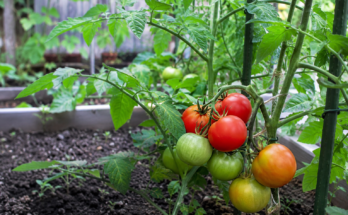
Tomatoes should usually be harvested when they reach the desired color and firmness. Leafy greens can often be harvested gradually by taking outer leaves while allowing the plant to continue growing.
Beans, cucumbers, and zucchini are often best when harvested while they are still young and tender. Check your plants regularly because vegetables can grow quickly during warm weather.
Rotate Your Crops
If you grow vegetables in the same garden every year, consider changing where different types of vegetables are planted. Crop rotation can help reduce the buildup of certain pests and diseases in the soil.
For example, avoid planting the same vegetable family in exactly the same location year after year. Moving crops around can support better long term garden health.
Even in a small garden, simple rotation can make your vegetable growing routine more successful.
Keep Learning From Your Garden
Every garden teaches you something. You may discover that one area receives better sunlight or that certain vegetables perform better during a particular season.
Keep simple notes about what you plant, when you plant it, how often you water, and which vegetables grow best. These observations can help you make better decisions in the future.
Do not worry if every plant does not grow perfectly. Gardening takes practice, and even experienced gardeners have unsuccessful seasons.
Final Thoughts
Growing healthy vegetables at home does not have to be difficult. The key is to provide plants with suitable soil, enough sunlight, proper watering, useful nutrients, sufficient space, and regular care. Choosing the right vegetables for your growing conditions can also make the process much easier.
Start with a few easy vegetables and learn how they respond to your garden. Pay attention to changes in the leaves, soil, and growth of each plant. With patience and consistent care, a small home garden can provide fresh and delicious vegetables for your kitchen.
Home vegetable gardening is not only a way to grow food. It can also help you enjoy nature, develop useful gardening skills, and understand where your food comes from. By following these simple tips for growing healthy vegetables at home, you can build a greener and more productive garden one plant at a time.