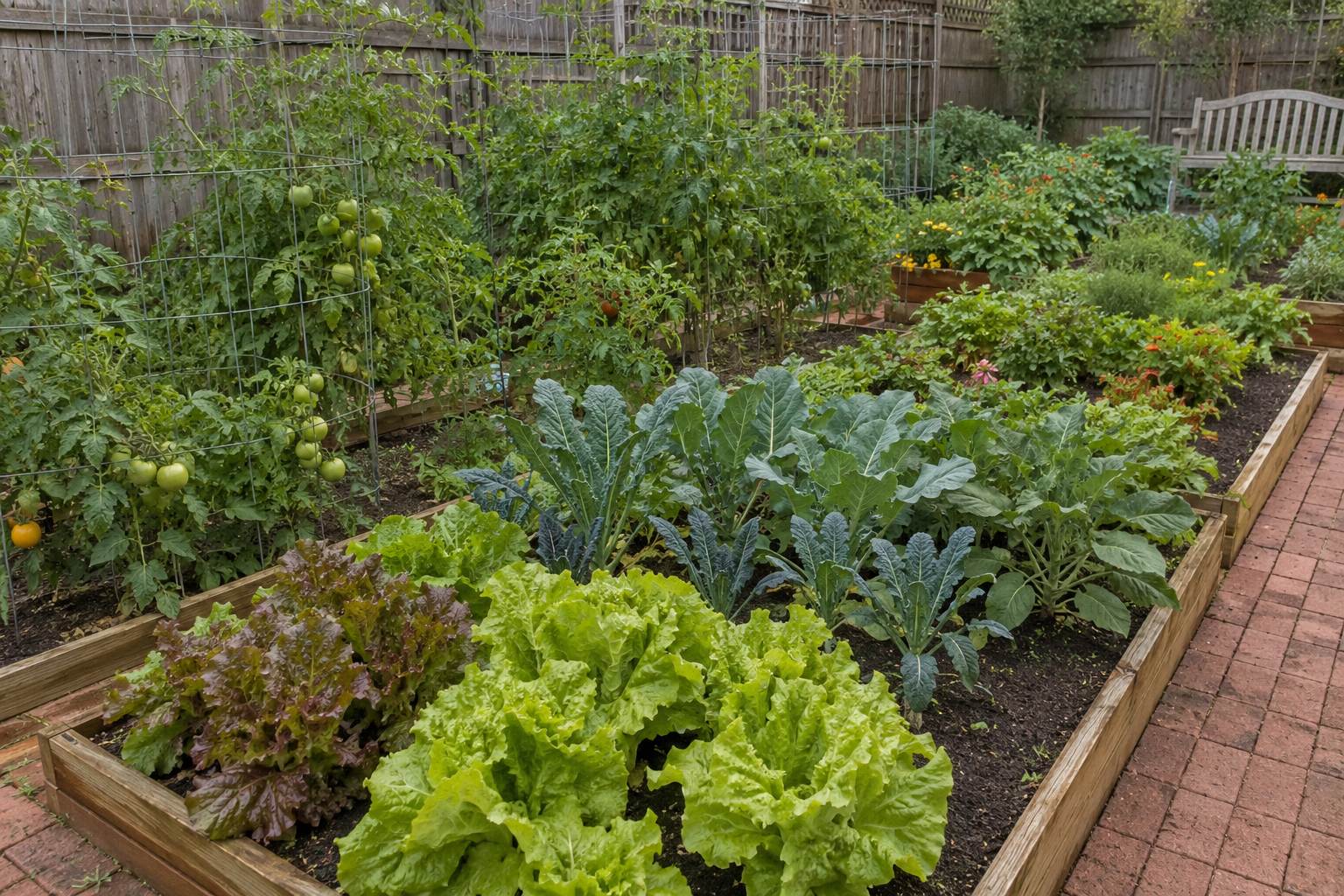
Starting a productive kitchen garden at home is a great way to grow fresh vegetables, herbs, and other useful plants in a small space. You do not need a large yard or expensive equipment to begin. With the right planning, healthy soil, proper sunlight, regular watering, and a little patience, you can create a kitchen garden that provides fresh food for your family throughout the growing season.
A kitchen garden can also make everyday life more enjoyable. Growing your own food helps you understand where vegetables come from and encourages healthier eating habits. Whether you have a backyard, balcony, rooftop, or a few containers near a sunny window, there are many ways to start a productive kitchen garden.
Choose the Right Location
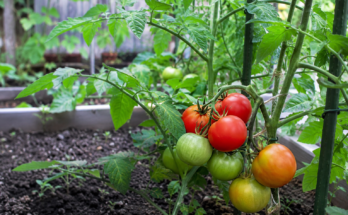
The first step in starting a productive kitchen garden is choosing a suitable location. Most vegetables need plenty of sunlight to grow well. Look for an area that receives at least six hours of direct sunlight each day. Plants such as tomatoes, peppers, cucumbers, beans, and eggplants usually perform best in sunny locations.
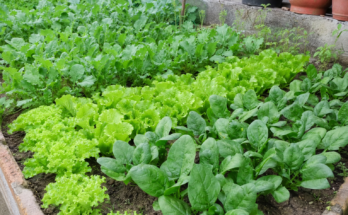
If your garden receives limited sunlight, choose vegetables and herbs that can tolerate partial shade. Lettuce, spinach, mint, coriander, and some other leafy plants can grow with less direct sunlight.
Make sure the location is easy to reach. A garden that is close to your kitchen can make watering, harvesting, and daily plant care much easier.
Start With Healthy Soil
Healthy soil is one of the most important parts of a productive kitchen garden. Plants need soil that provides nutrients, moisture, air, and good drainage. Before planting, improve poor soil by adding mature compost or well decomposed organic matter.
Compost can improve soil structure and provide nutrients naturally. Mix it gently into the top layer of soil before planting. Avoid using fresh animal manure because it can damage plant roots and may contain harmful organisms.
If you are growing plants in containers, use a good quality potting mix instead of ordinary garden soil. Container plants need a growing medium that drains well while still holding enough moisture for healthy roots.
Select Vegetables You Actually Eat
One common mistake beginners make is growing too many different vegetables. A better approach is to start with vegetables and herbs that you regularly use in your kitchen.
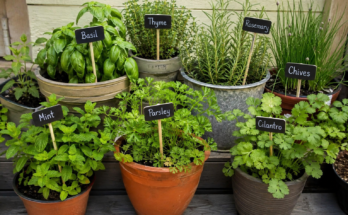
Tomatoes, green chilies, lettuce, spinach, coriander, mint, radishes, carrots, beans, and cucumbers can be useful choices depending on your local climate and growing season.
Think about what your family eats most often. Growing your favorite vegetables makes gardening more rewarding because you can use your harvest regularly instead of allowing food to go unused.
Plan Your Garden Before Planting
Good planning can make a small kitchen garden much more productive. Decide how much space each plant needs before placing seeds or seedlings in the soil.
Avoid planting everything too close together. Crowded plants compete for sunlight, water, nutrients, and air circulation. Proper spacing gives plants enough room to develop healthy roots and leaves.
You can also use vertical gardening methods to save space. Trellises can support climbing plants such as cucumbers, peas, beans, and some varieties of tomatoes. Using vertical space allows you to grow more food without needing a larger garden area.
Grow Easy Plants First
If you are new to gardening, begin with plants that are relatively easy to manage. Herbs and leafy vegetables can be good choices because many of them grow quickly and can be harvested more than once.
Radishes are another useful choice for beginners because they mature quickly. Green beans can also provide a good harvest when given suitable growing conditions.
Once you become comfortable with basic plant care, you can add more demanding crops. Starting small helps you learn without becoming overwhelmed.
Give Plants Enough Water
Proper watering is essential for a productive kitchen garden. Both overwatering and underwatering can harm plants. The best approach is to check the soil before watering.
Push your finger into the top layer of soil. If the soil feels dry, the plants may need water. If it is still moist, you may be able to wait.
Water deeply so moisture reaches the root area. Shallow watering can encourage weak root growth. Watering in the morning is often useful because plants have time to absorb moisture during the day and leaves can dry naturally.
Avoid keeping the soil constantly wet because excessive moisture can cause root problems and encourage fungal diseases.
Use Mulch Around Plants
Mulching is a simple technique that can make garden care easier. A layer of suitable organic mulch around plants helps the soil retain moisture and reduces the growth of unwanted weeds.
Materials such as dry leaves, straw, or suitable compost can be used as mulch. Keep mulch slightly away from the main stem of the plant to reduce the chance of stem problems.
Mulch can also protect the soil from strong sunlight and heavy rain. As organic materials break down, they can contribute to better soil quality.
Feed Plants When Needed
Even healthy soil may eventually need additional nutrients. Plants use nutrients as they grow, flower, and produce vegetables.
Compost is a useful natural source of nutrients for many kitchen garden plants. Depending on the plant and growing conditions, you can also use an appropriate organic fertilizer.
Do not assume that more fertilizer means better growth. Excess nutrients can damage plants and may result in lots of leaves but fewer flowers and vegetables. Always follow the instructions for any commercial fertilizer you use.
Protect Your Garden From Pests
Garden pests can quickly damage young plants. Regular observation is one of the easiest ways to protect your kitchen garden.
Check the leaves, stems, and undersides of leaves regularly. Look for holes, discoloration, insects, or sticky substances. Finding problems early makes them easier to manage.
Encourage beneficial insects such as ladybugs and other natural predators when possible. Keeping the garden clean and removing badly damaged plant material can also reduce pest problems.
Avoid using strong chemical products unnecessarily, especially in a garden where you grow food. If treatment is needed, choose an appropriate product and follow its safety instructions carefully.
Practice Crop Rotation
If you have enough space, crop rotation can help maintain soil health. Instead of growing the same type of vegetable in exactly the same place every season, move crops around when possible.
Different plants use nutrients differently and may attract different pests and diseases. Rotating plant families can reduce the chance of certain problems building up in the soil.
For a small garden, even simple rotation between planting areas can be helpful.
Plant According to Your Climate
Understanding your local climate is important when starting a productive kitchen garden. Different vegetables grow best during different seasons.
Warm season crops generally prefer higher temperatures, while leafy greens and some root vegetables can perform better during cooler weather. Check the recommended planting season for your area before buying seeds.
Local gardening centers and experienced gardeners can also provide useful information about vegetables that perform well in your region.
Harvest Vegetables at the Right Time
Harvesting at the correct time can improve both quality and continued production. Many vegetables taste better when picked at the right stage of maturity.
For example, beans are often best when they are young and tender. Leafy greens can usually be harvested gradually instead of removing the entire plant.
Regular harvesting can encourage some plants to produce more. Do not leave mature vegetables on plants longer than necessary unless the specific crop requires it.
Keep a Simple Gardening Routine
A productive kitchen garden does not require hours of work every day. A simple routine can keep plants healthy.
Spend a few minutes checking soil moisture, looking for pests, removing weeds, and observing plant growth. Water when necessary and remove damaged leaves or dead plant material.
Keeping basic notes can also help. Write down when you planted seeds, when seedlings appeared, and when vegetables were harvested. These records can make future gardening seasons easier because you will know what worked well.
Avoid Trying to Grow Too Much
It is tempting to fill every available space when starting a kitchen garden. However, growing too many plants can make maintenance difficult.
Begin with a manageable number of crops and learn how they respond to your garden conditions. Once you understand your soil, sunlight, watering needs, and local weather, you can gradually expand.
A small garden that is healthy and productive is better than a large garden that becomes difficult to maintain.
Conclusion
Starting a productive kitchen garden is possible even if you have limited space or gardening experience. Choose a sunny location, prepare healthy soil, select vegetables your family enjoys, and plan your planting carefully. Give plants the right amount of water, nutrients, sunlight, and space. Regularly check for pests and diseases, use mulch to protect the soil, and harvest vegetables at the right time.
The most important gardening tip is to be patient and consistent. Plants need time to grow, and every season gives you an opportunity to learn something new. By following these simple kitchen garden tips, you can create a healthy home garden that produces fresh vegetables and herbs while making your outdoor space more useful and enjoyable.
A productive kitchen garden is not only about growing food. It is also about developing a connection with nature, reducing dependence on store bought produce, and enjoying the satisfaction of eating something you grew yourself.